Office
 Open Laptop


.png)
.png)
.png)


.png)
.png)
.png)
.png)
Lux Vitae
Welcome to Lux Vitae! Lux Vitae (Light Life) is a Dungeons & Dragons campaign that I've been writing for years and am currently running with a group of friends. While my actual session and player notes are accessible through my Notion, this section is dedicated to my world lore and art of my OCs that are acting as NPCs in the campaign. Lore is based off of canonical Forgotten Realms content including Out of the Abyss (5E), Menzoberranzan: City of Intrigue (4E), R.A. Salvatore's books, and other drow and Menzoberranzan media.
Lux Vitae's primary location is the city of Menzoberranzan. It is an underground city located in a massive cavern with much of the infrastructure and housing built into massive stalagmites and stalactites. Menzoberranzan is home to the largest concentration of drow, a subspecies of elves with deep skin tones and light hair. Many drow, espeically those living in Menzoberranzan, worship Lolth, the goddess of spiders, chaos, and cruelty.
Lolth has ruled Menzoberranzan for centuries, keeping power through the Church of Lolth, the priestesses that control the noble houses of Menzoberranzan. These priestesses uphold Lolth's doctrine: female drow are superior to all other beings. Through murder, cruel punishment, infighting, and constant sabotage, Menzoberranzan treats all of its inhabitants with disrespect.
As of 1489, the underground resistance network against Lolth is stronger and more united than ever before. Their goal is to minimize Lolth's influence over Menzoberranzan's proceedings, allowing drow males, non-noble drow, and humanoids of other races to be of equal standing to drow females. The campaign is set as some of the younger members of the resistance choose to bring in adventurers from broader Faerun to assist with the mission, believing the resistance has internal corruption.
The characters on the following slides are the younger part of resistance leadership. At the end, you can find interactables and additional world lore.
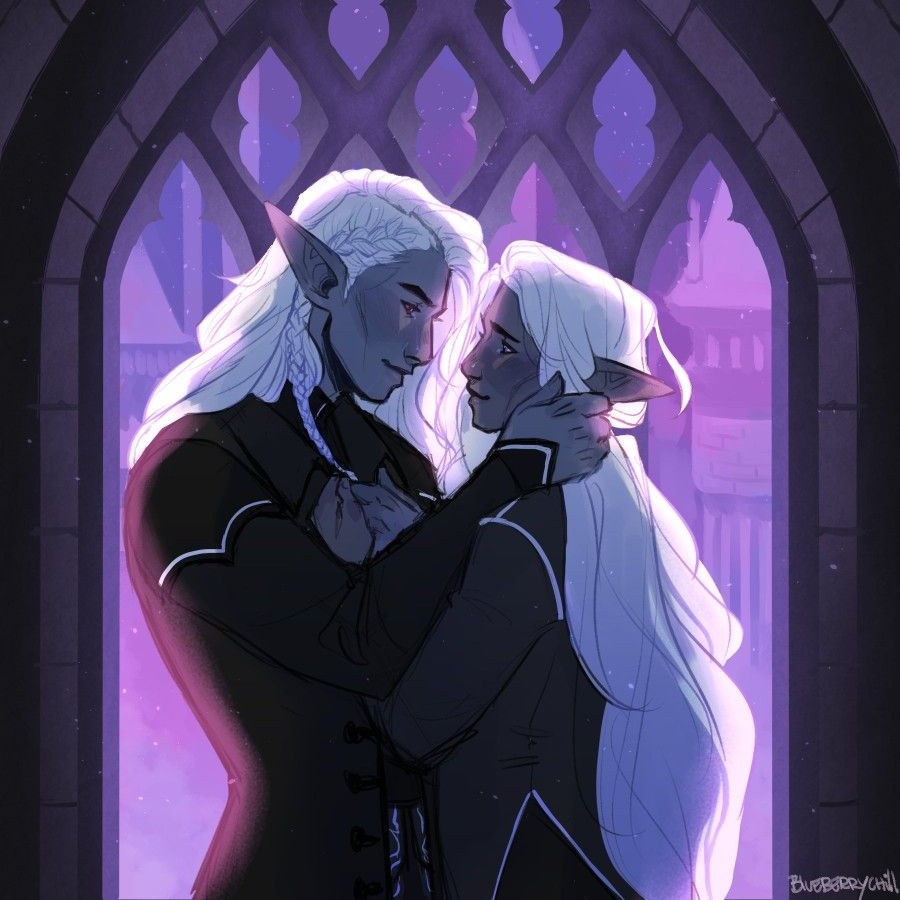
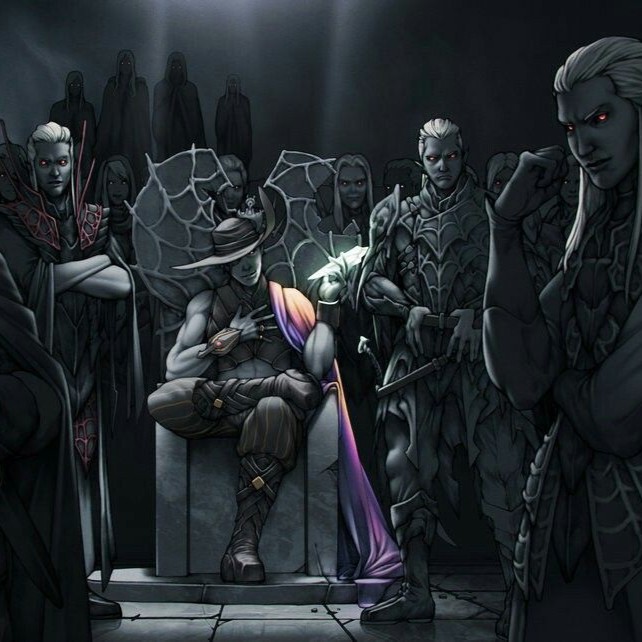
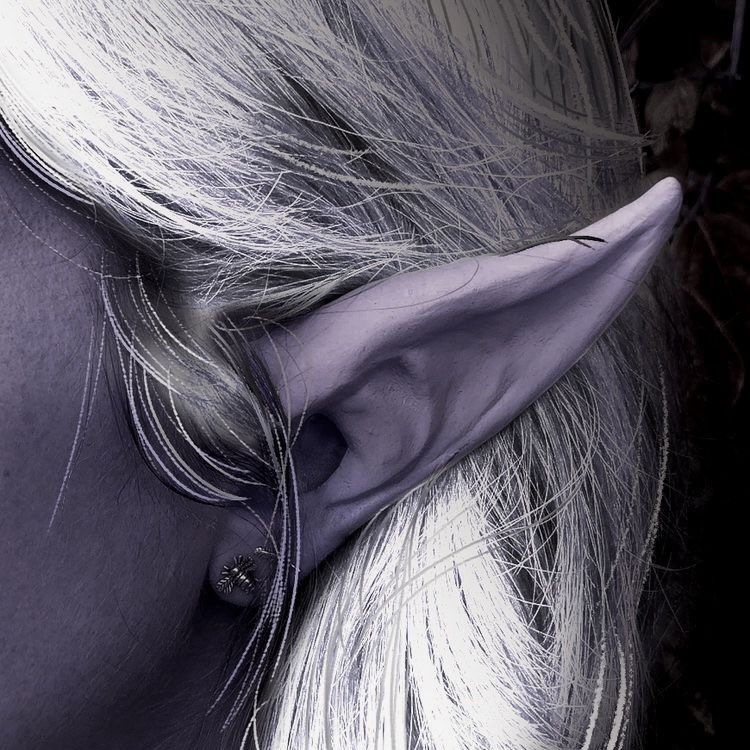
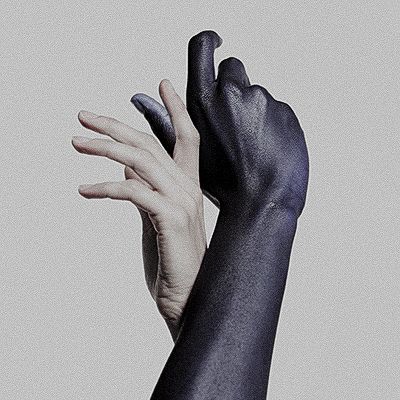
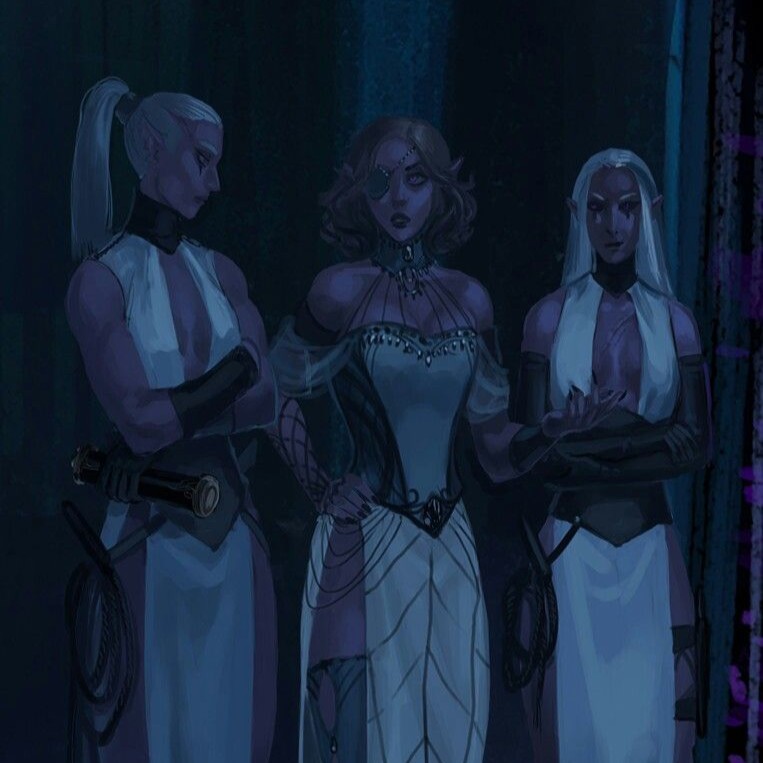
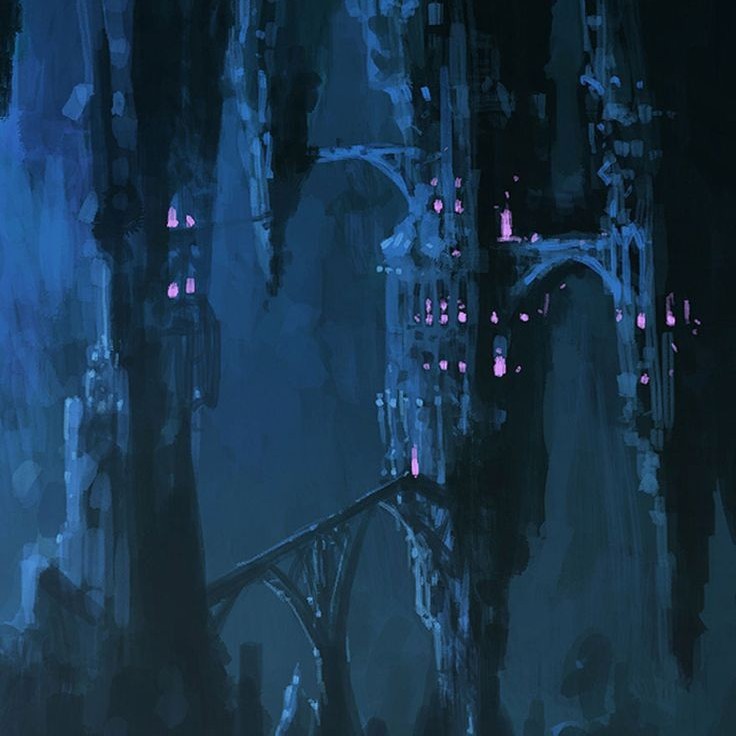

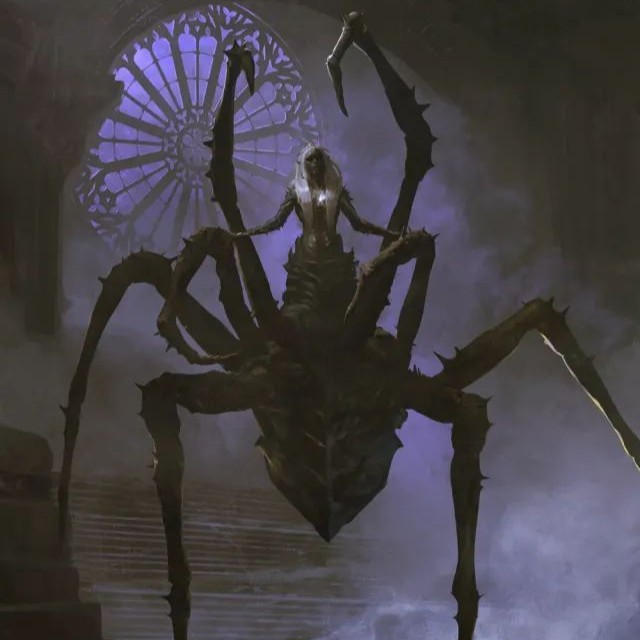
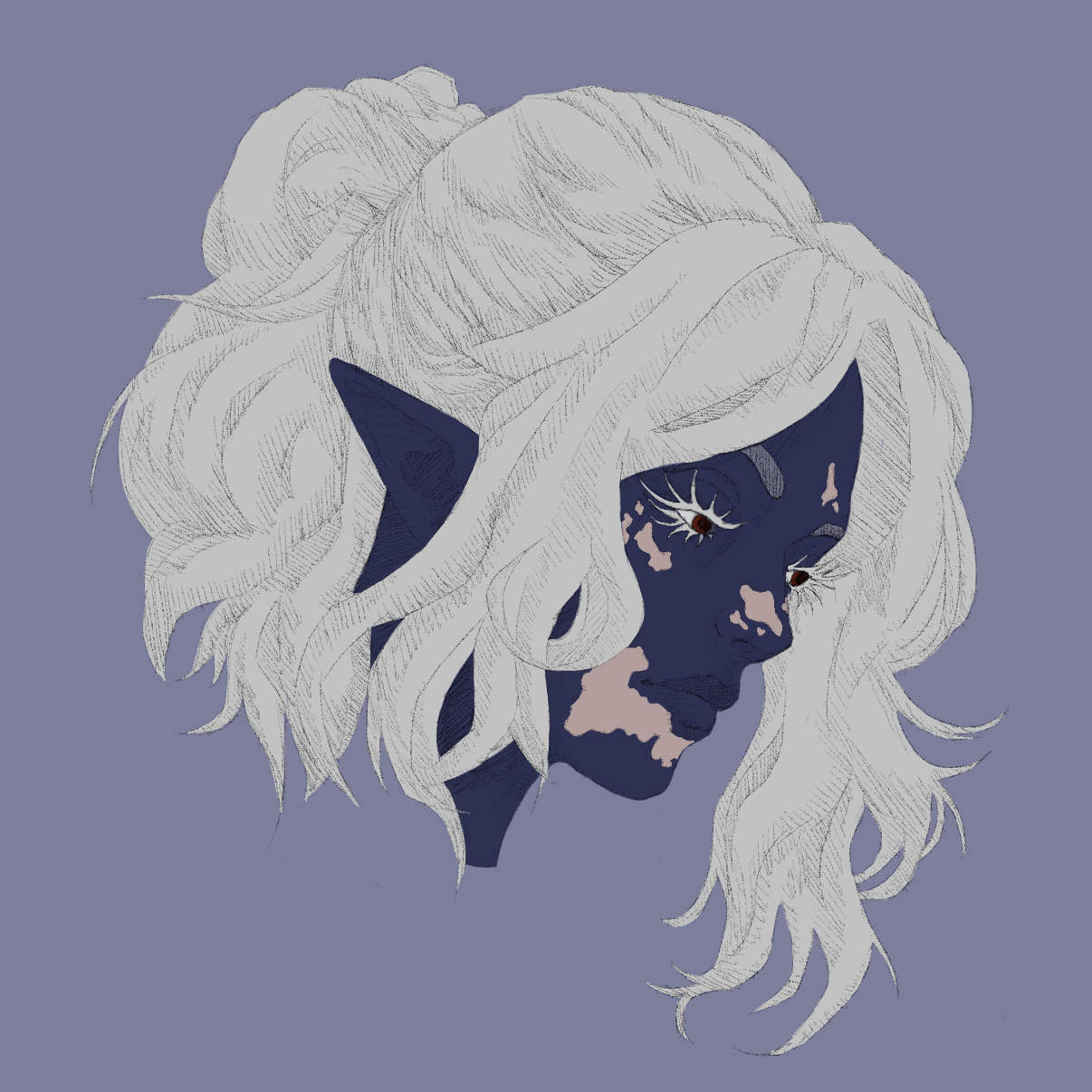
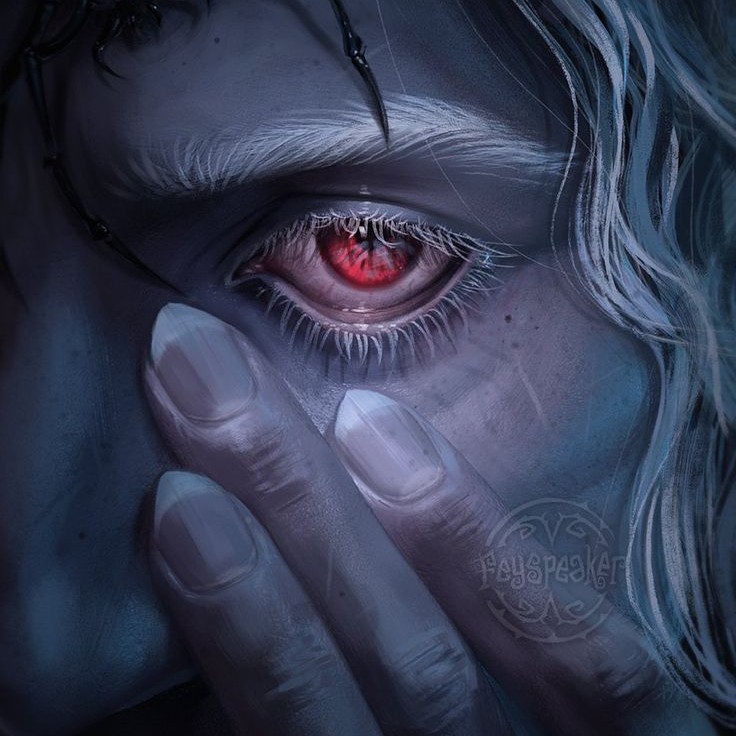
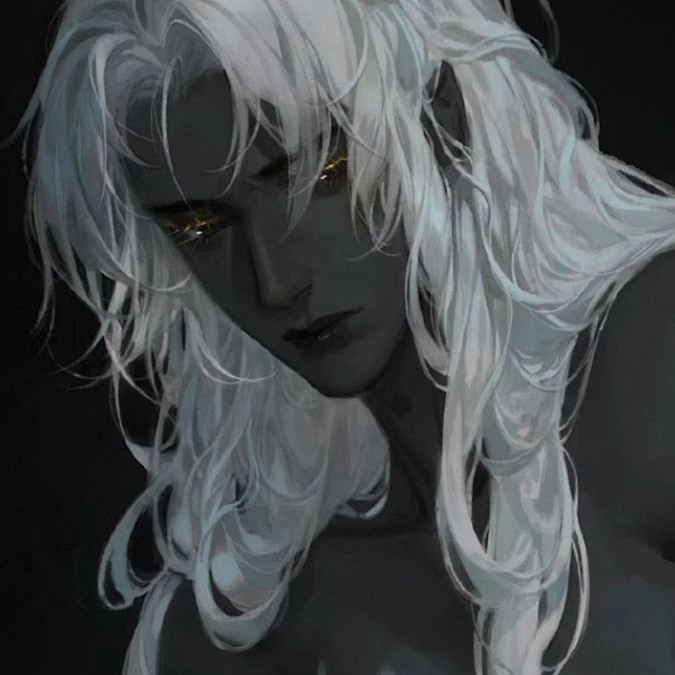
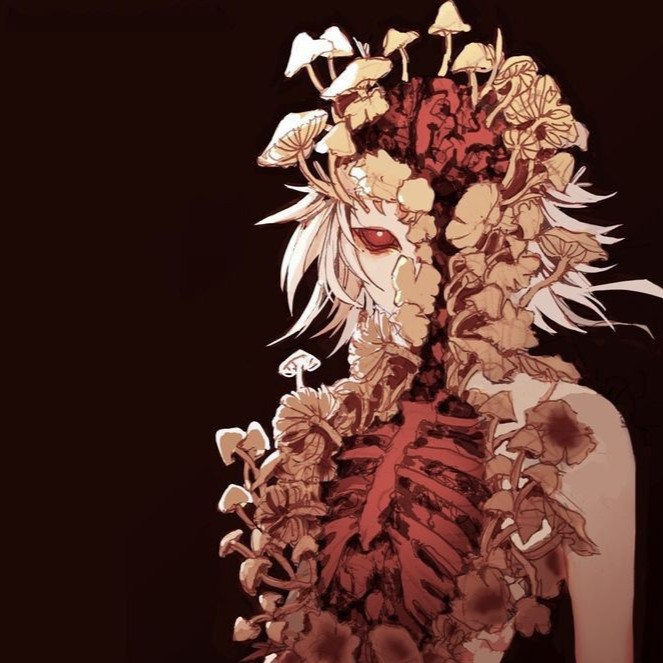
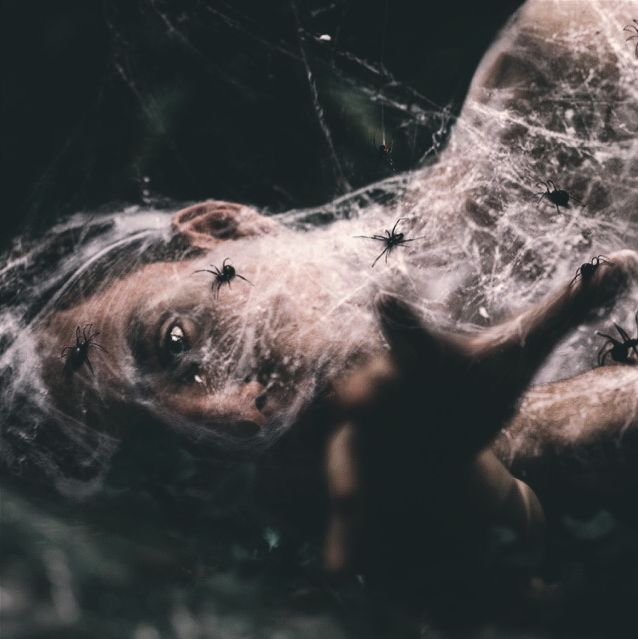
Malwen
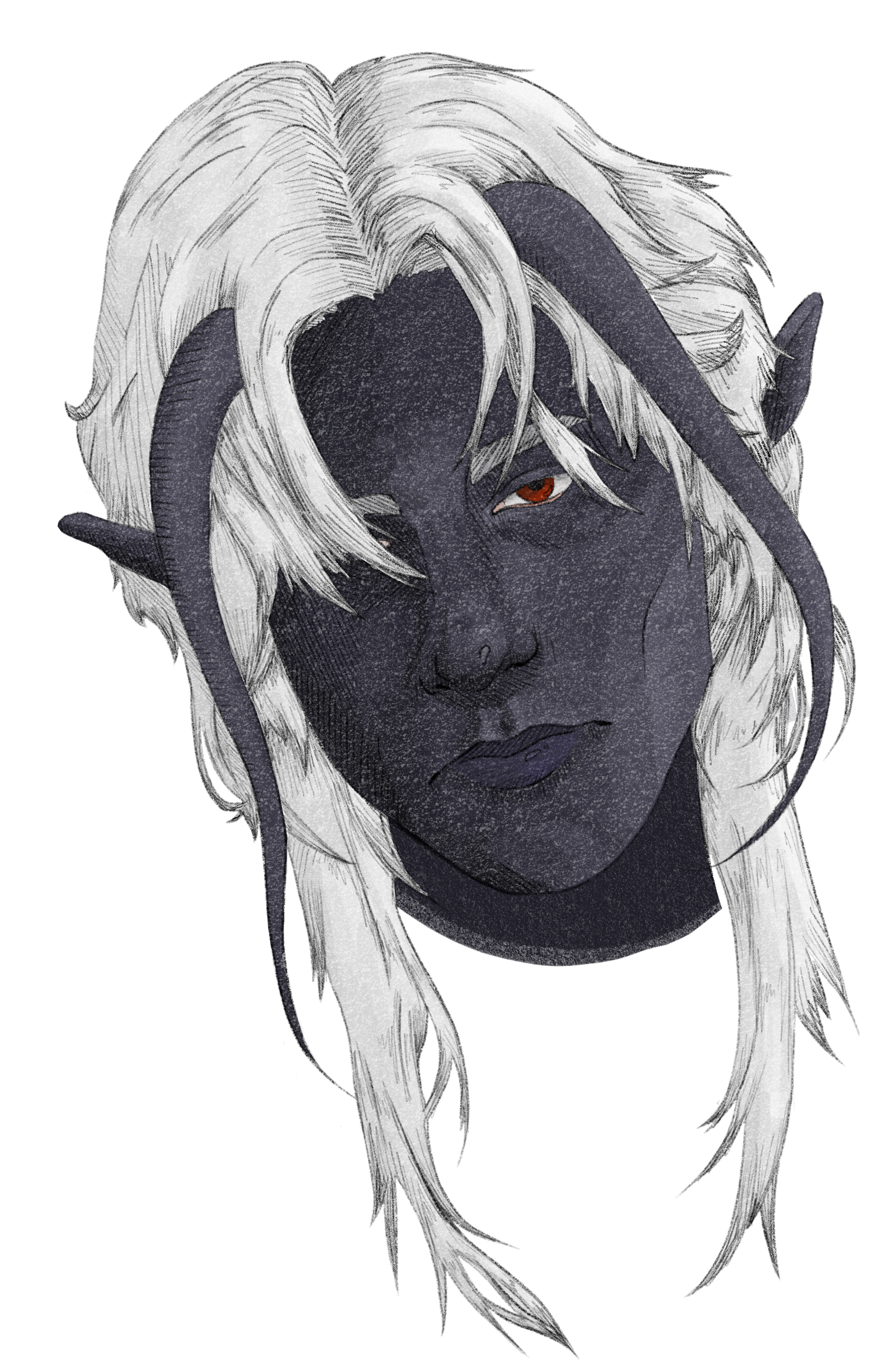
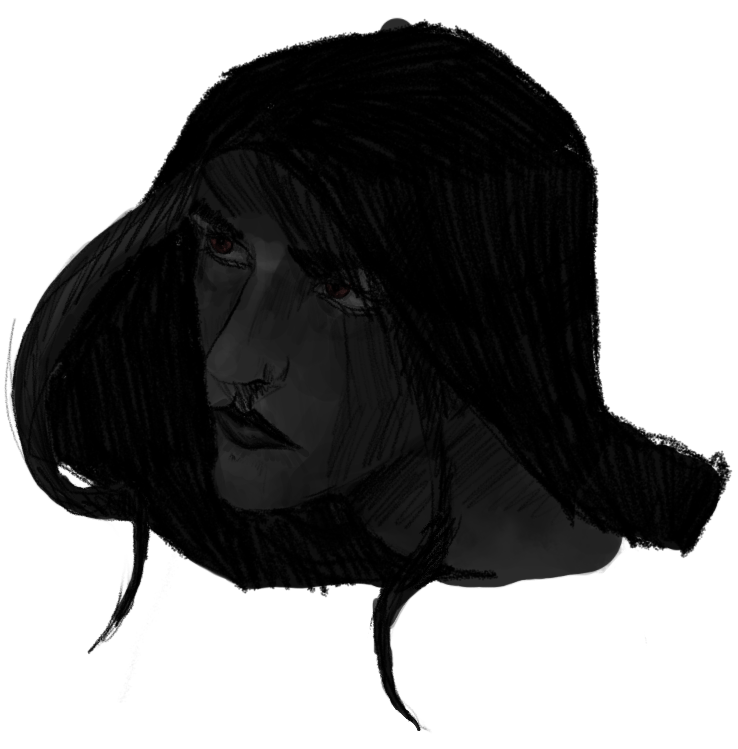
Translation: Secret Heir, Blood of the Challenges
Pronouns: They/Them
Class: Sorcerer
Background: Criminal
Alignment: Chaotic Neutral
Character Sheet
Pinterest Board
Archetypes
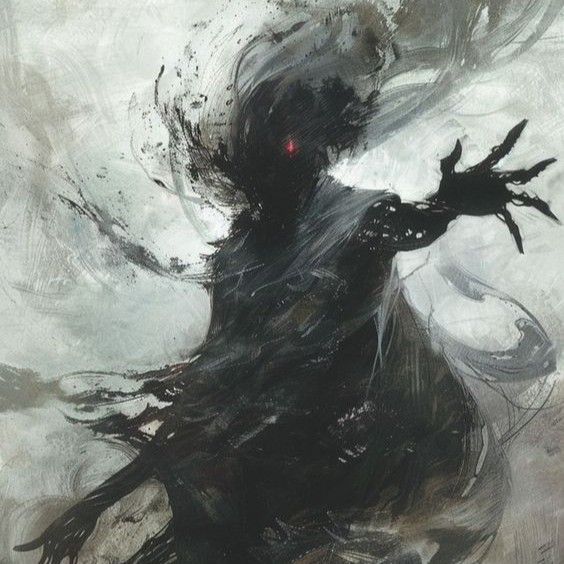
King: If no one else will, I will. I must.Ravenclaw: If I have nothing else, I have my mind.
Child of Zeus: There is so much power, too much.
Characteristics
Gender: Non-BinaryFeatures: Red Eyes, Light Grey Hair, Dark Grey
Purple Skin, 5'4, 120lbs
Age: 156
Personality
Traits: The best way to get me to do something is to tell me I can't do it. I always have a plan for what to do when things go wrong.Ideals: Freedom. Chains are meant to be broken, as are those who would forge them.
Bonds: Someone I loved died because of a mistake I made. That will never happen again.
Flaws: Innocent people are in prison for crimes that I committed. I'm okay with that.
Relationships
Organizations: Malwen has deep connections throughout the Braeryn district from their childhood as a street rat.Currently works with and helps to lead the resistance network.
Allies: Malwen has a close relationship with their adoptive father, Vuzfryn. They have a sister in Vuzfryn's blood daughter, Irrbryn.
Through their relationship with Vuzfryn, Malwen sees most of the resistance leaders as family. Jarlaxle and Dabnay Tr'arach, namely, have a close relationship with Mal.
Malwen is close with many drow throughout the Braeryn and some in Eastmyr.
Enemies: Malwen does not have any specific enemies, as they are not sure which house they were exiled from. However, due to their hatred of both their mother and Lolth, they have an enemy in all those devoted to Lolth.
Backstory
Malwen was exiled from a noble house when they were young, as their draconic ancestry began to manifest and made them ill. Their illness is a manifestation of their magic, something the drow tried to hide. Their magic is so powerful that it is both destroying them and healing them. They grew up in the streets of the Braeryn, stealing food and depending on others for shelter. When they were ~20, they met Vuzfryn and were taken in by the resistance network. There, they were taught to wield their inherent power by graduates of Sorcere and Arach-Tinilith.By age 30, Malwen was extremely magically powerful, and their illness got worse. Their mobility was almost entirely eliminated, and they turned to a ritual caster for the resistance. In the meantime, they learned to use magic as mobility, becoming dependent on spells such as Misty Step, Spider Climb, and Fly.
As they began to work through adaptive training with Jarlaxle, they met Vierna who had dropped out of Melee-Magthere to join Bregan D'aerthe. By the time Malwen was 60, they were close with Vierna and bonding with Neerlin, one of Vierna's old classmates who was now joining Bregan D'aerthe. At age 80, Malwen met Irrbryn through Vuzfryn and bonded to have a sibling relationship with her.
Now, Malwen has worked as a high ranking strategist and ritual spellcaster for the rebels for decades. To eliminate the bigotry and incite change in Menzoberranzan is their primary goal.
Malwen is seen as relatively open and easy going to much of the rebels, but clearly sharp. Those closer to them know the pain they live with, and the anger that lives under their skin. Anger has honed them, and will be a tool rather than a weapon.
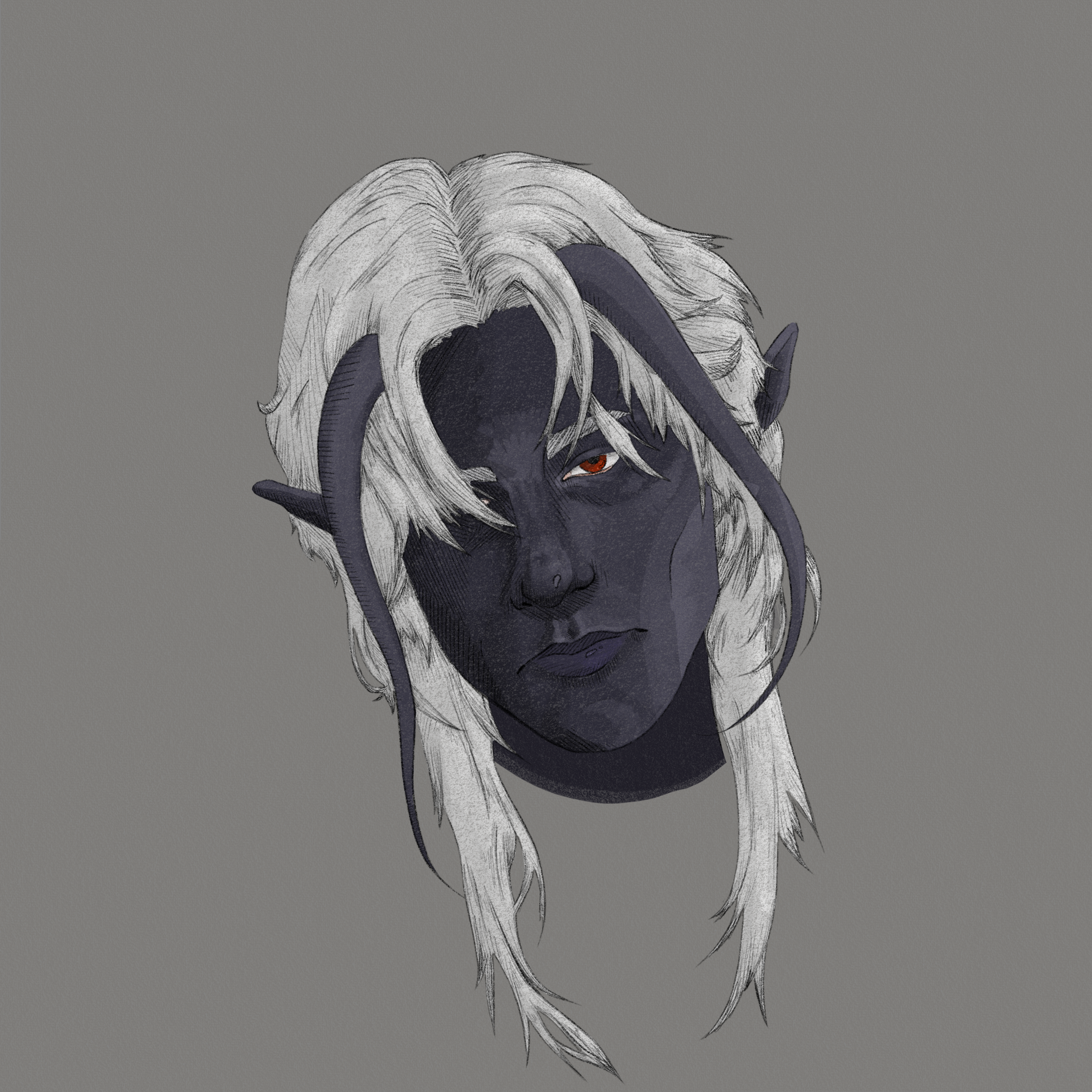
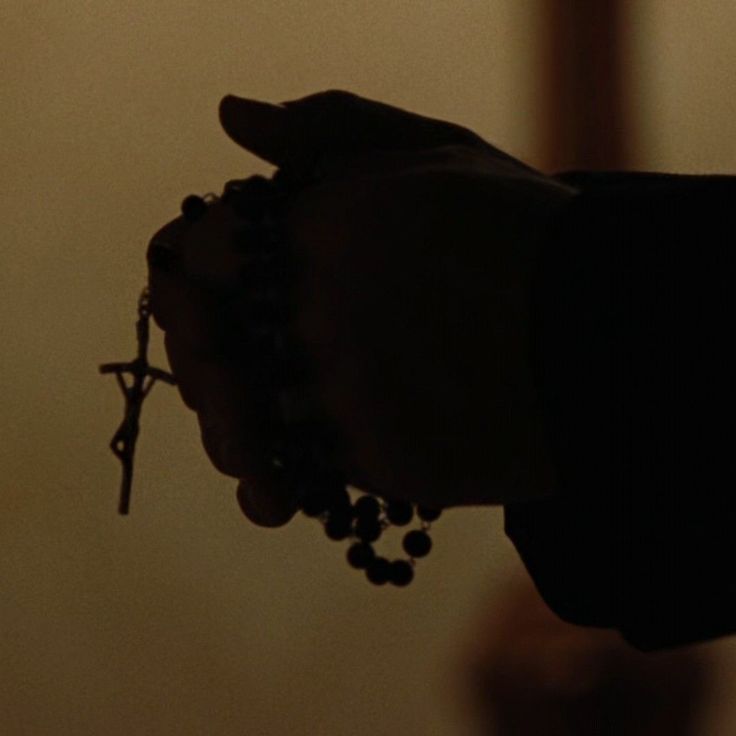
Pillanyl
Translation:
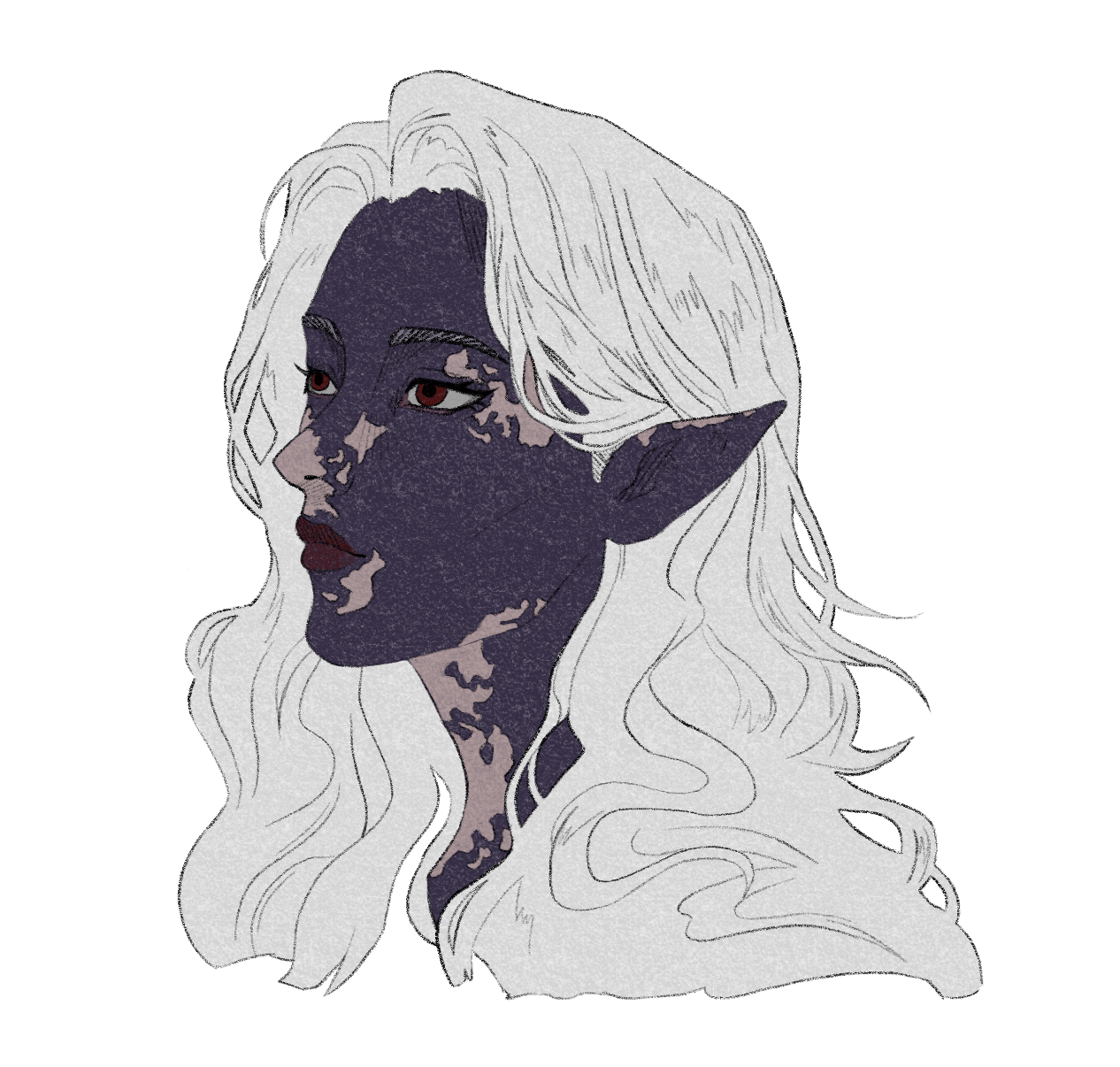
Platinum Drow
Pronouns: She/Her
Class: Wizard
Illusionist
Background:
Yor'thae (Acolyte)
Alignment: Lawful
Neutral
Character Sheet
Pinterest Board

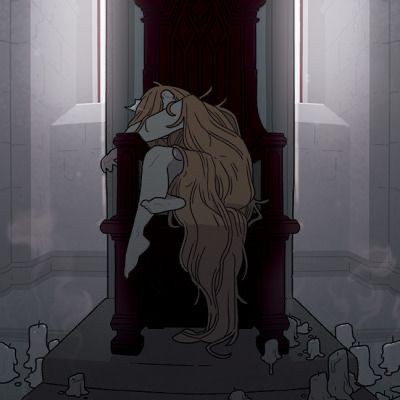
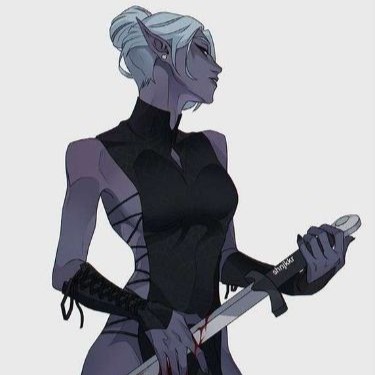
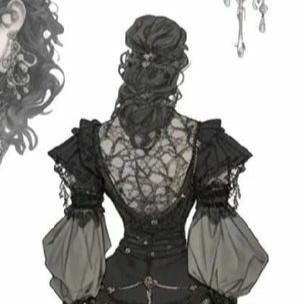

Archetypes
King: She did not ask for this.Slytherin: She would do everything.
Daughter of Nemesis: "Give me somewhere to stand and I will move the Earth."
Characteristics
Gender: FemaleFeatures: Red Eyes, White Hair, Deep Purple Skin, 5ft, 100lbs
Age: 134
Personality
Traits: I've spent so long in the temple that I have little practical experience dealing with people in the outside world.Ideals: The ancient traditions of worship and sacrifice must be preserved and upheld.
I trust that my deity will guide my actions. I have faith that if I work hard, things will go well. It has to.
Bonds: I owe my life to the clerics who took me in and raised me. I cannot end up like my sister.
Flaws: I judge others harshly, and myself even more severely.
Once I pick a goal, I become obsessed with it to the detriment of everything else in my life.
Relationships
Organizations: After being taken in by several clerics of Lolth as a child, namely from House Melarn, Pillanyl became a devoted cleric of Lolth. As Lolth has already taken a favor to her, even at her young age, she is treated as a Yor'thae. She has decent associations with Menzoberranzan's political figures through her servitude to Lolth.Allies: Zhindia Melarn acts as Pillanyl's primary mentor, but is extremely busy and is not around her much anymore. She still aids with magic and religion.
Many other clerics of Lolth, especially House Melarn, act as Pillanyl's allies. All of them could turn on her at any moment, especially if there was a hint of disfavor towards Lolth.
Enemies: Pillanyl has no true passionate hatred for anyone except her father. Men are already useless, and this one brought her into the world just to leave her to monsters. Her sister is stupid and unintentional, but it would take too much work to hate her.
Backstory
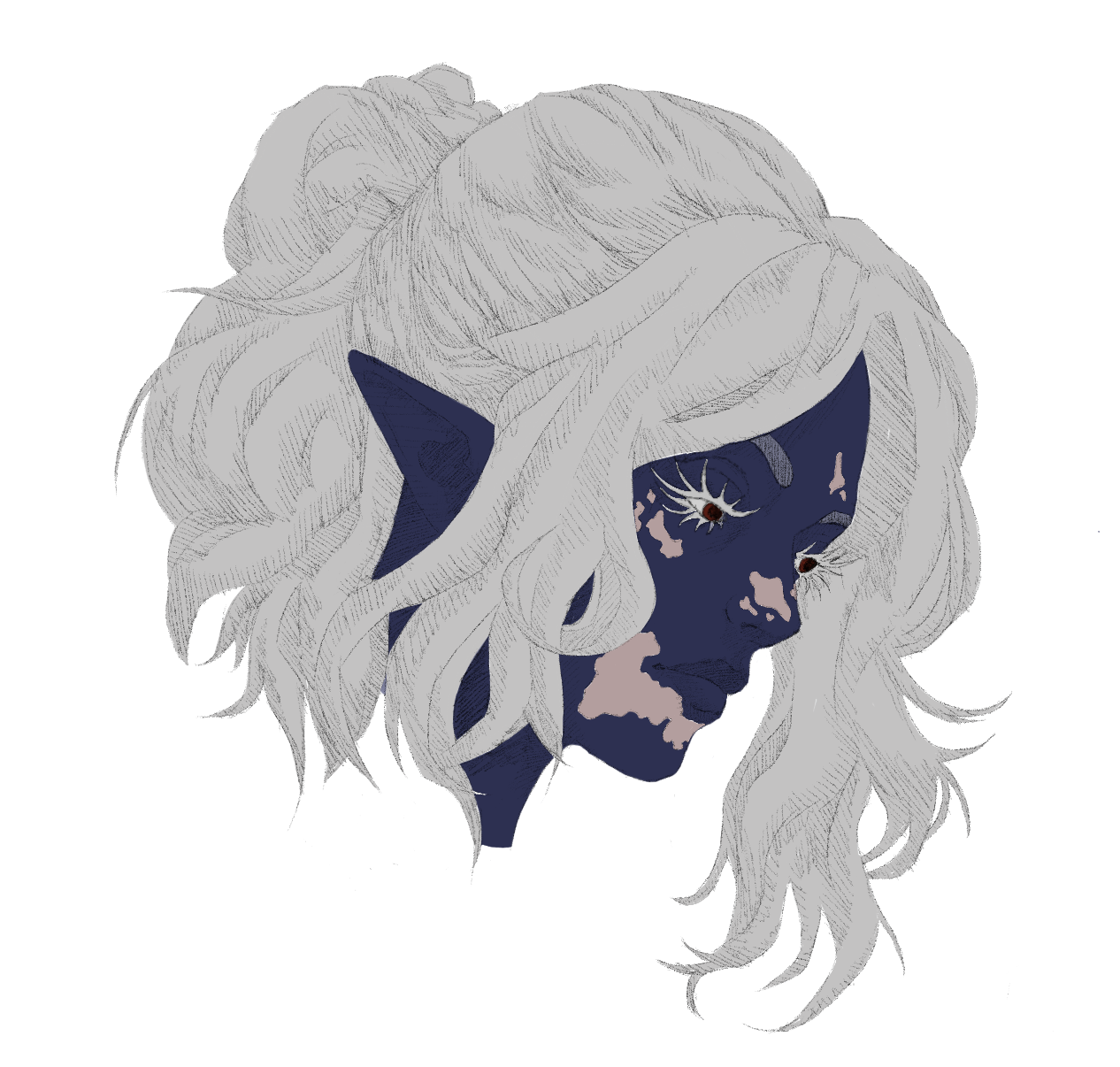
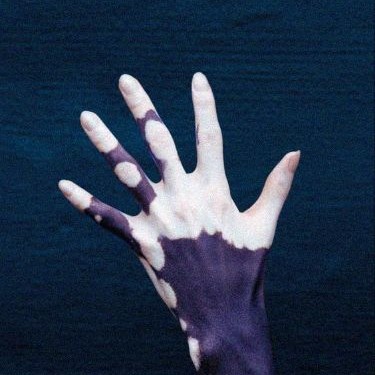
Pillanyl grew up with her sister, Irrbryn, in the care of clerics of Lolth. She was groomed into devotion from a young age, and Lolth took a liking to her when she attended Arach-Tinilith to become a cleric and devote her life to her. During her time at Arach-Tinilith, the magic Pillanyl had been taught to hide her vitiligo began to call to her, and she left the academy to become an illusionist. This teaching was done by private tutors, as Irrbryn had "changed" after going to Sorcere.During her education, Irrbryn became distant and eventually chose to leave Menzoberranzan, requesting Pilla go with her. Pillanyl declined, knowing one of them had to stay to appease Lolth. Once Irr was gone, all attention turned to Pillanyl and she was trained as a weapon. Beautiful, terrible, malleable.
After years spent in depression and dissociation, at age 100 Pillanyl decided the balance Lolth promised to maintain through chaos was not sufficient. She launched herself back into magic and grew away from her faith.
Now, and for the last 30 years, Pillanyl has acquired devotion from Lolth-Sworn that not even Lolth herself has. She is on her way to being one of the youngest Matron Mothers and is one of the only active women overseeing Menzoberranzan's military.
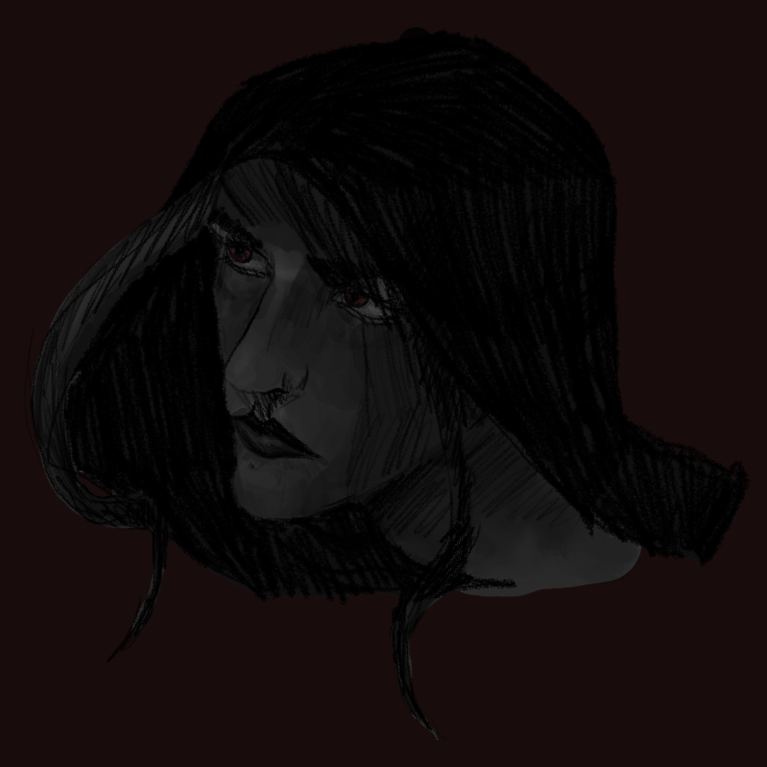
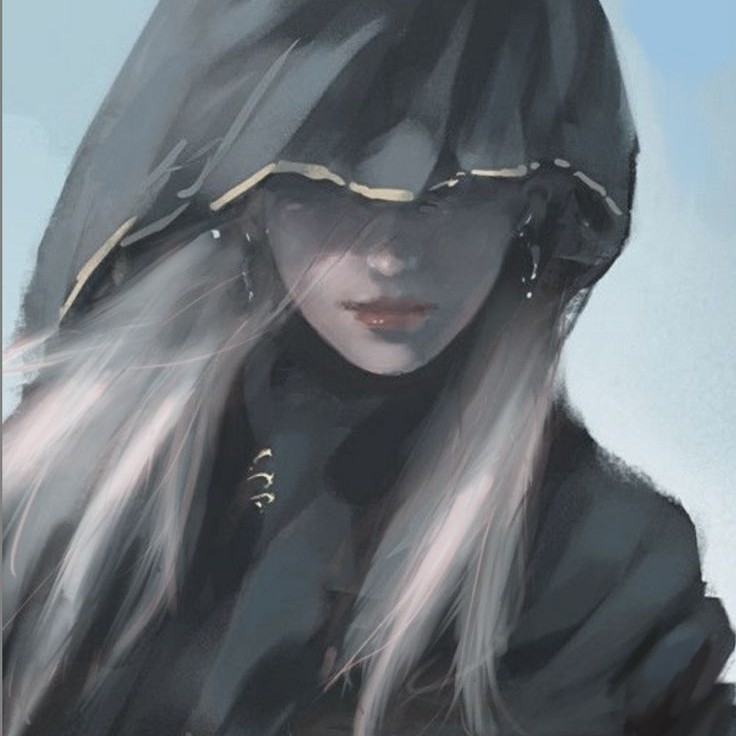
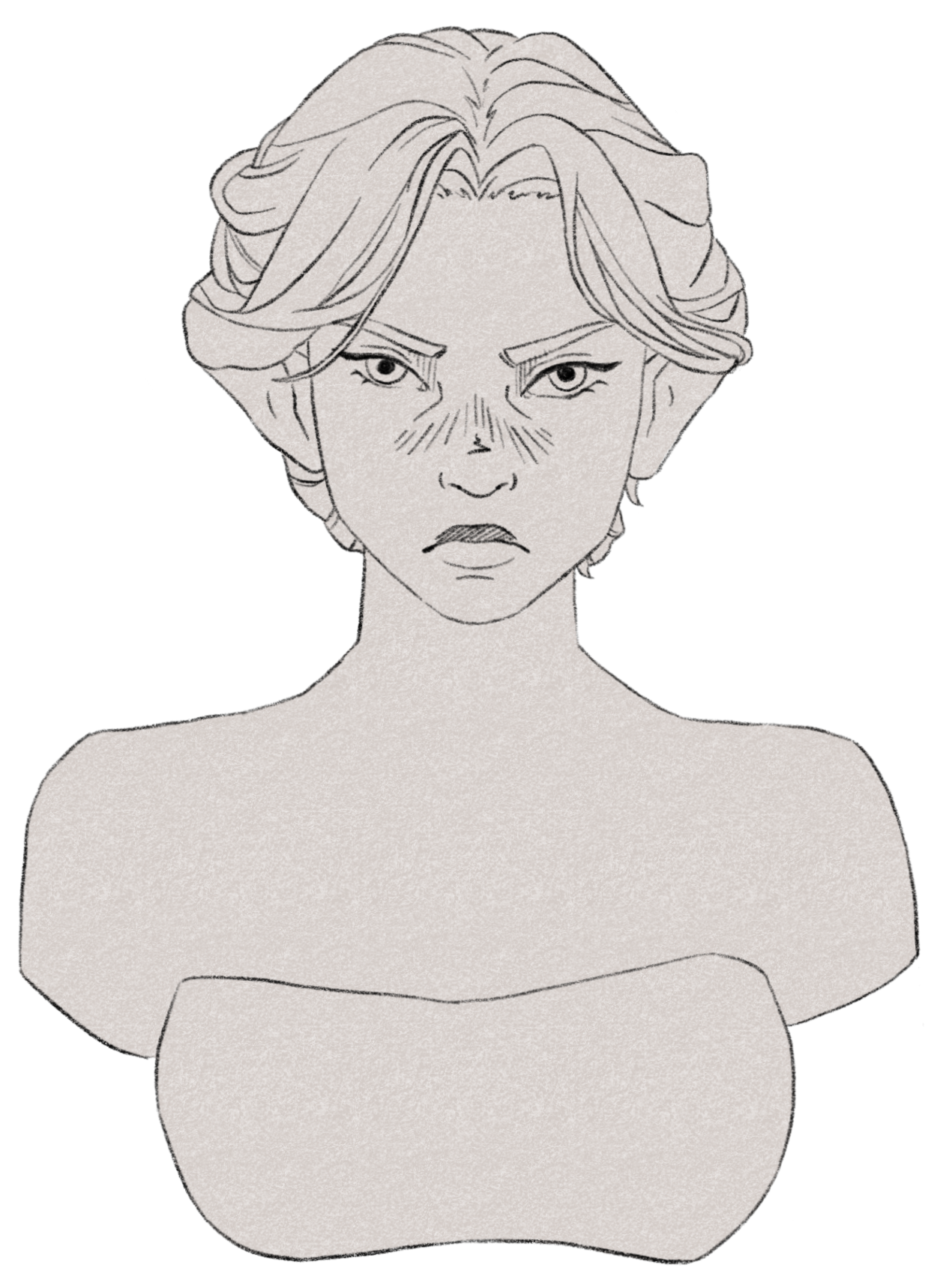
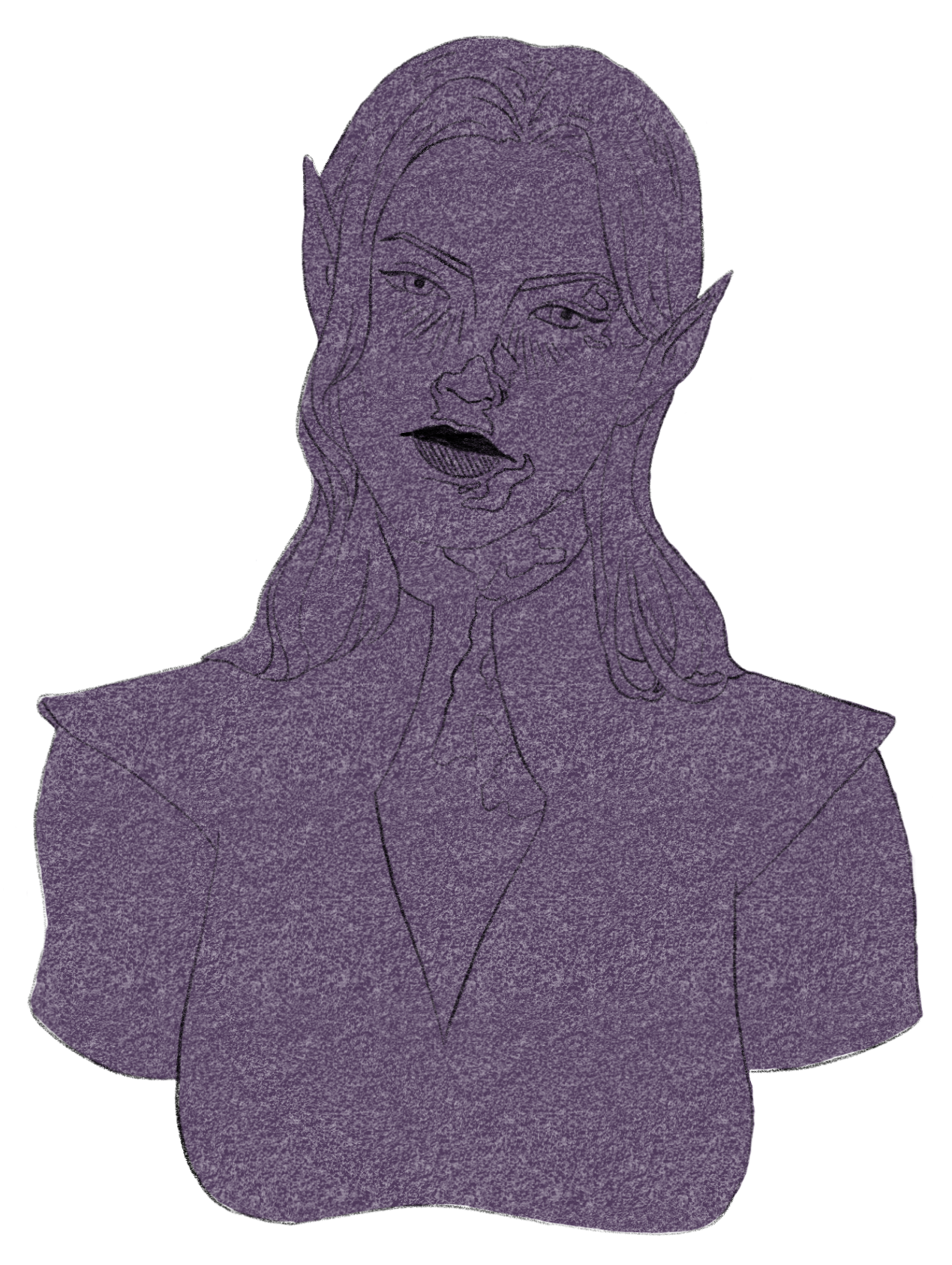
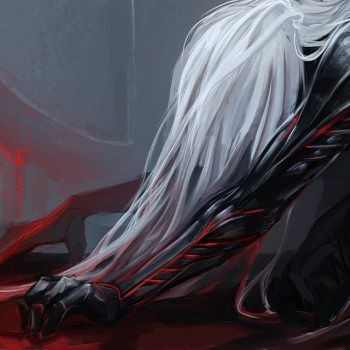
Irrbryn
Name:
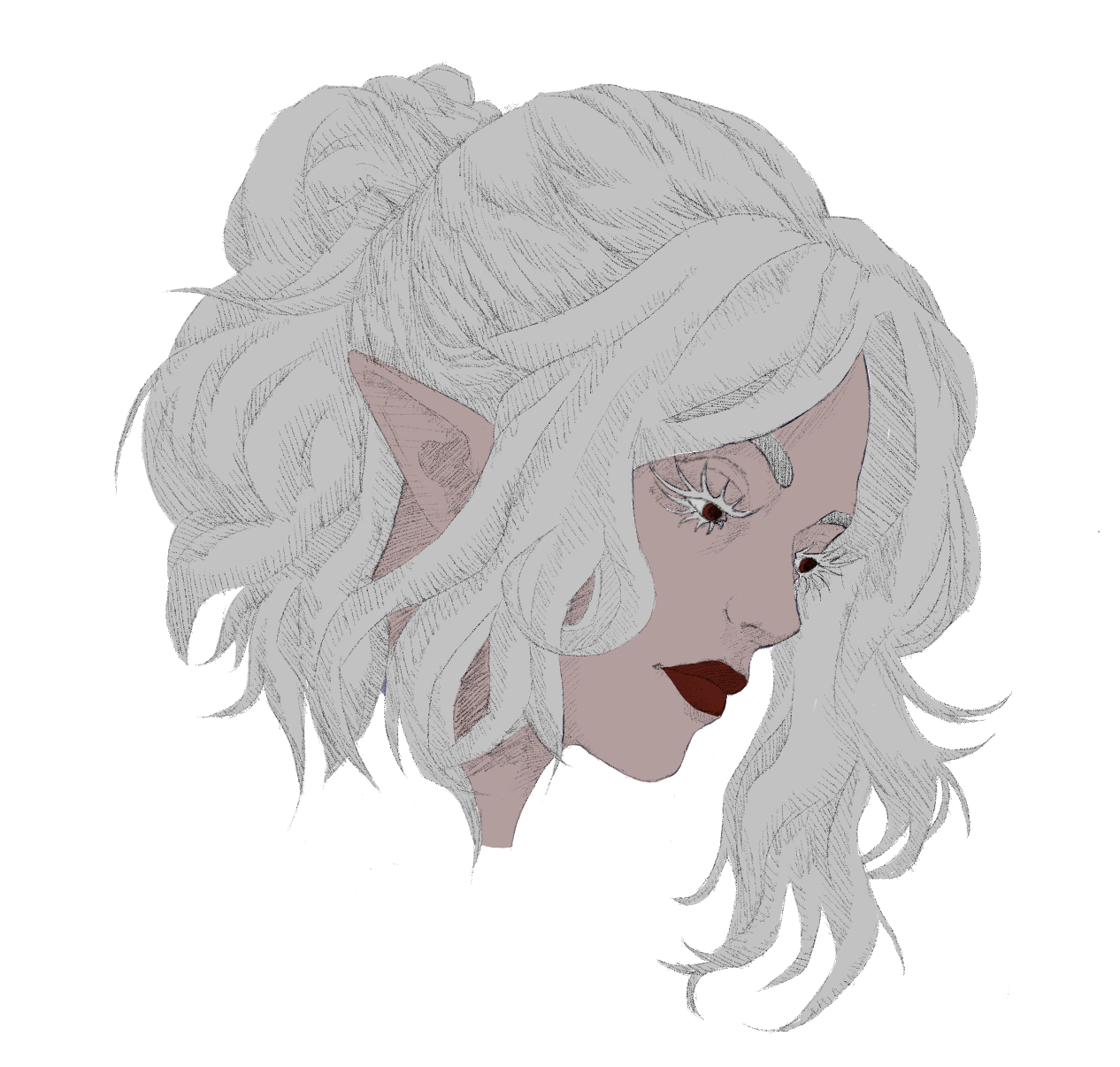
Irrbryn Baenre
Translation:
Masked
Assassin
Pronouns:
She/Her
Class:
Rogue Assassin
+ Wizard Illusionist
Background: Acolyte
Alignment: Chaotic Good
Character Sheet
Pinterest Board


Archetypes
Soldier: She pretends she is a King. It only makes her more of a soldier.Slytherin: She would do anything.
Daughter of Aphrodite: "Even when I feel nothing, I feel it completely."
Characteristics
Gender: FemaleFeatures: Red Eyes, White Hair, Deep Indigo Skin, 5'2, 110lbs
Age: 142
Personality
Traits: I am intolerant of all faiths and condemn the worship of all gods. I am incredibly slow to trust. Those who seem the fairest often have the most to hide.Ideals: I always try to help those in need, no matter what the personal cost. Let me seem selfless.
Bonds: I will someday get revenge on the corrupt temple hierarchy who branded me a heretic, even if it means killing my sister.
Flaws: I judge others harshly, and myself even more severely. I am inflexible in my thinking.
Relationships
Organizations: Schooled at Sorcere, the wizard school of Tier Breche, Menzoberranzan's academy from ages 26-51. Apprenticed under Noori Baenre, the first female drow permitted to attend Sorcere and Grendan Baenre, a tenth-year apprentice at Sorcere. Currently a spy and assassin for the resistance network against Lolth.Allies:
Family: Close with her father, Vuzfryn Oblodra. Reunited when Irr was ~65 after she had turned against Lolth and was brought into the resistance network by Jalynfein. Respects him, but disagrees with his softness towards Pillanyl. Sibling relationship with Malwen who she met when she reunited with Vuzfryn, as he had taken Malwen in as a child. Argue a lot but love eachother deeply and constantly lean on eachother. Irr is extremely protective of Mal. Close with Vierna and Neerlin, though not a part of Malwen, Vierna, and Neerlin's trio. Comradery with most of the family's close allies. Has an uncle-like relationship with Jarlaxle and Kimmuriel Oblodra, Vuzfryn's close allies and the leaders of Bregan D'aerthe.
Close Allies: Worked with Jalynfein, the most powerful spellcaster in Menzoberranzan, who although thought to be Lolth-Sworn and insane, was actually a spy for the rebels. Met while Irr attended Sorcere and continued to work together until she left Menzoberranzan at 70. Have been working together the last 5 years that Irr has been back in Menzoberranzan.
Allies: Allies in the war against Lolth include the Blaspheme, Bregan D'aerthe, Eilistraeean clerics, Callidaeians, majority of House Fey-Branche, majority of House Baenre, and her team. Has various allies across Faerun, mostly magic users who are a part of ruling councils or are in line of succession. Few know Irr's true identity, only knowing her as a powerful, beautiful elf wizard.\
Enemies: Detests all worshippers of Lolth, some for selfishness, some for stupidity. Dislikes her adoptive mothers the most, several clerics of Lolth, who attempted to groom her into a Yor'thae. Pretends to have a decent relationship with them and the broader clergy in order to gather information for the rebel network.
Hates Pillanyl, her younger sister. Believes her to be stupid for having stayed devoted to Lolth and becoming the "chosen one". Hates that when she offered for Pillanyl to leave Menzoberranzan with her when she was 70, Pillanyl turned her down. Barely speak now, and only in public. Pillanyl is the only cleric of Lolth that knows Irrbryn is not devoted.
Backstory
Raised by mother, a member of House Baenre and father, a member of House Oblodra, until age 8, where her mother died in childbirth. Moved to live with her younger sister, Pillanyl, and the clerics of Lolth. Groomed from a young age to worship Lolth and eventually become a cleric of Lolth.Was incredibly devoted and intelligent, so was permitted to attend Sorcere instead of Arach Tinilith once she tuned 26. While at Sorcere, surrounded by primarily drow males, began to realize the beliefs Lolth and her clerics pushed were incorrect. After becoming radical and loud at school, was taken under Jalynfein's, one of her professors, wing. Taught illusion magic and how to hide her true intentions and beliefs by Jalynfein while continuing to study broader wizardry at Sorcere. Graduated early at 51.
Between 51 and 70, continued to work with Jalynfein, eventually being introduced to other members of the rebel network, and reuniting with her father, Vuzfryn Oblodra. Grew to have a father-daughter relationship with him and a familial relationship with his close allies. Met Malwen and their best friend, Vierna, forming a sibling and friend relationship respectively. She trained with Vuzfryn and several member of Bregan D'aerthe to become an assassin and poison master.
At 70, decided to leave Menzoberranzan to broaden her understanding of Faerun and unlearn what she was taught by the clerics of Lolth. Before leaving, she asked Pillanyl, who she previously had hardly spoken to for ~20 years, to come with her, explaining that the clerics of Lolth were corrupt, and was denied. Irrbryn disguised her vitiligo and dark skin, turning towards a seductive side of illusion magic. Over her 50 years in Faerun, she formed bonds with several close allies, but never stayed in one place, using her illusion magic and assassin training to eliminate corrupt dictators and cultists.
Upon hearing about the rising conflicts in Menzoberranzan, Irrbryn retuned home and started working as a spy for the resistance network. She has now been a spy for ~10 years and lives with Vuzfryn, Malwen, Vierna, and Neerlin in one of the rebel bases.
As a spy and assassin, presents herself as shallow and unaffected. Uses her body to her advantage, often seducing the people she assassinates or manipulates.
As seen by the resistance network, she is a brash radicalist with a strong personal vendetta against Lolth. She is on her way to being one of the best illusionists in the underdark, and Faerun as a whole. She seems to have fun getting to pull strings and have power over others.
At her core, Irrbryn feels extremely deeply, and cuts off a lot of that emotion instead of managing it. She is prone to emotional outbursts. She is work obsessed, often staying "in character" even when she doesn't need to as a defense mechanism.
Pillanyl is Irrbryn's biggest weakness.
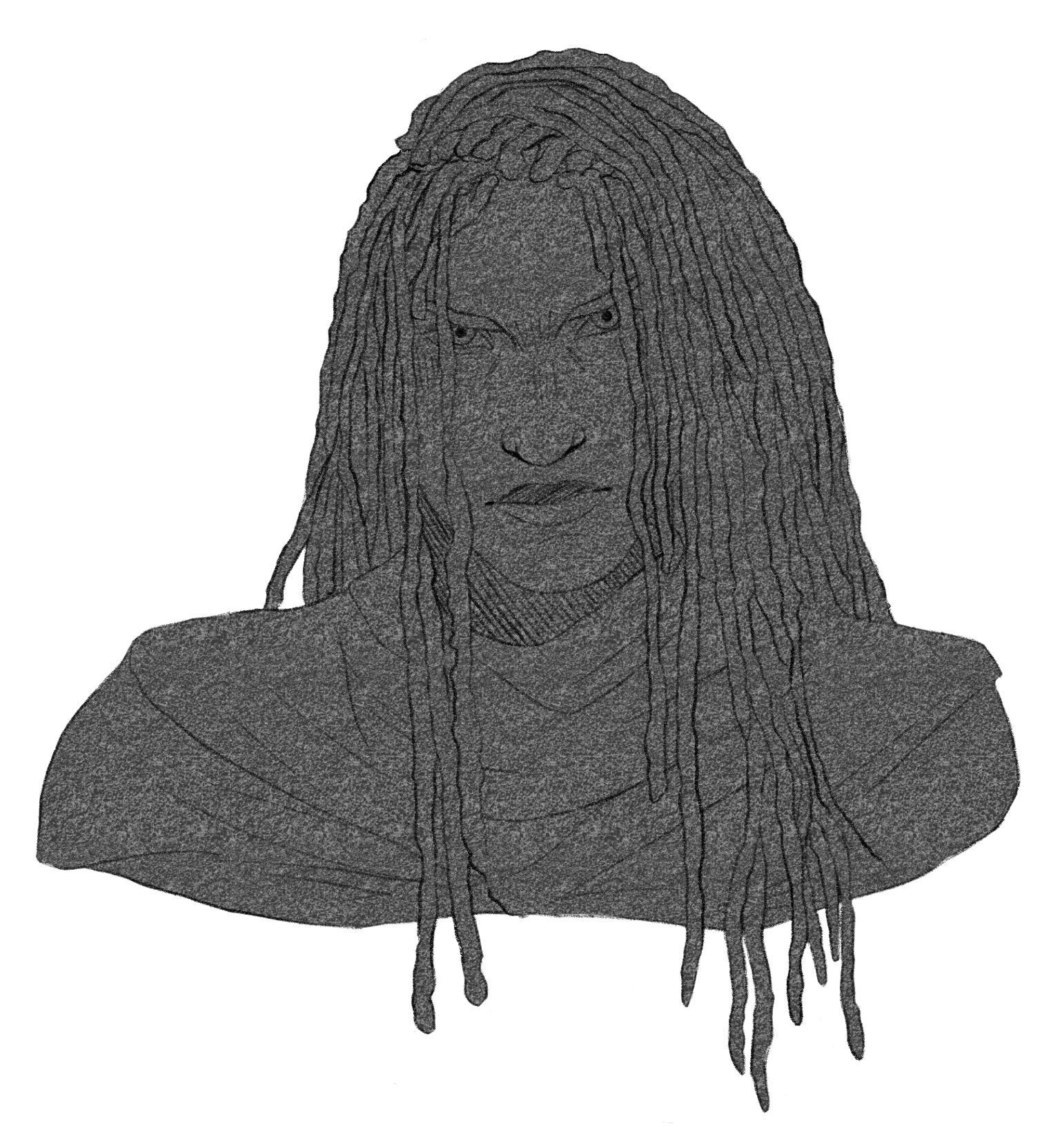
Neerlin
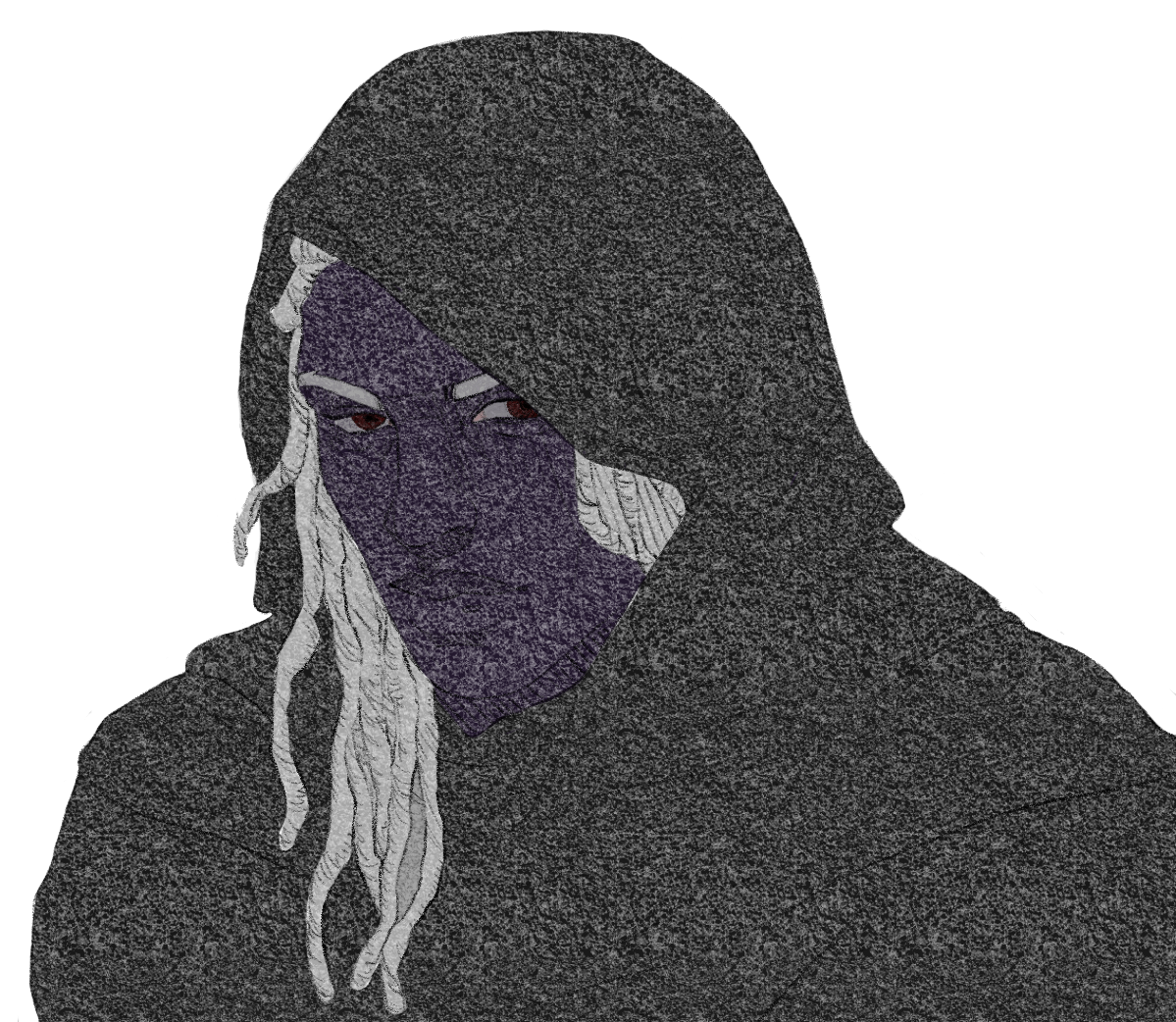
Translation: Strong Armor, Honor of the Blade
Pronouns: He/Him
Class: Fighter Champion
Background: Soldier
Alignment: Lawful Neutral
Character Sheet
Pinterest Board
Archetypes
Poet: I feel before all else.Ravenclaw: You must know the rules to slip through the loopholes.
Child of Nemesis: Nature insists on balance and justice- who am I to deny her?
Characteristics
Gender: MaleFeatures: Red Eyes, Light Grey Hair, Deep Purple Skin, 5'5, 133lbs
Age: 96
Personality
Traits: I face problems head-on. A simple, direct solution is the best path to success.I'm haunted by memories of war. I can't get the images of violence out of my mind.
Ideals: Responsibility. I do what I must and obey what I deem just authority.
Home. My people are all that matter.
Bonds: I fight for those who cannot fight for themselves.
Flaws: I'd rather eat my armor than admit when I'm wrong.
Relationships
TBA.Backstory
TBA.

Content
Edits & Animatics
The Quiz
Below is an embedded quiz that will assign you one of the characters. Scroll past the quiz to my own responses. Good luck!
My Answers
Which do you align with?
King
Pick a coping mechanism.
"I will die. You will die. We will all die and the universe will carry on without care. All that we have is that shout into the wind- how we live. How we go. And how we stand before we fall."
Pick a promise.
"Don't mistake my kindness for weakness. I'll choke you with the same hand I fed you with."
Identity is...
Forged
What is your worst fear?
Being inconsequential.
Pick a lyric about love.
"if someone asked me at the end / i'd tell them 'put me back in it' / i would do it again" Francesca - Hozier
Pick a comic book character.
Red Hood.
Pick the answer most aligned with your religious views.
There is a higher power, and it is both beautiful and terrible.
Pick a mythical creature.
Sphinx.
The world should have protected you; instead, you have been asked to protect it.
What an honor.
Choose a high fantasy character.
Assassin.
What is your hogwarts house?
Slytherin.
Choose a weapon.
Daggers.
Pick something relating to childhood.
The ignorance.
Pick a lyric from a song that makes me nauseous.
"it's not the open weaving / nor the furnace glow / nor the blood of you bleeding / as you try to let go" Not - Big Thief
What do you see in the mirror?
My body.
Pick three words.
Let me help.
what is the worth of a single mortal's life? (Proudly stolen from Withers in BG3.)
No one life is worth more than any other. We are all equal.
Fate or free will?
Fate.
Tell me a secret.
I'm sorry.
Who do you do it all for?
The world.
Pick one of my playlists based off the name.
"for the dancers and the dreamers"
Choose a character.
The chosen one.
Pick a lyric.
"you've got a warm heart / you've got a beautiful brain / but it's disintegrating" Medicine - Daughter
Pick a quote.
"You are a terribly real thing in a terribly false world, and that, I believe, is why you are in so much pain."
Result
Malwen
.png)
.png)
.png)
.png)
Quantitative vs Qualitative
My body has been falling apart my entire life. A slow deterioration and then a sudden collapse. First, my gastrointestinal system, just weeks after I was born. Then, at eight years old, my autonomic nervous system. Nine years old, my musculoskeletal system. Eleven years old, my reproductive system. By fifteen, every system in my body was malfunctioning. Even now, at seventeen, I collect diagnoses like the stickers from doctors’ offices. I’ve been in and out of hospitals for years. I’ve missed more school than I’ve attended.
The human body has approximately 86 billion neurons. This seems unfathomable, until one realizes every experience, challenge, emotion- an entire life- is stored in these cells. Every joy, loss, and love can be quantified. Sensory neurons, for learning what home smells like; motor neurons, for embracing a loved one; interneurons, to bridge the two. These cells make up the nervous system, which depends on a simple feedback loop of detection and reaction. Most of the time, this process happens with a speed and efficiency that makes it undetectable. When the body is aware of this process, it causes a variety of issues. Central sensitization, nociplastic pain, dysautonomia, functional neurological disorders, neurodivergence- all miscommunications in the nervous system. Signals gone unsent, sensors that never stop firing, effectors that never stop responding.
I have a genetic condition that causes the creation of faulty collagen in the connective tissue, Ehlers Danlos Syndrome (EDS). Connective tissue holds every system in the body together. This stretchy, fragile tissue doesn’t transmit signals well, causing most people with EDS to have some sort of nervous system dysfunction. Together, EDS, autoimmune disease, and functional disorders have dramatically impacted my life.
Quantifying physical experiences is simple. Count, take the data, compare. It’s a black and white process, the way many humans understand things best. For those of us that can quantify life through neurons, things become more complicated. I have had a physical consequence for everything I’ve done in my life. Eating: nausea, moving: pain, sleeping: fatigue, not sleeping… also fatigue. Hugging my mom: pain, reading: headache, hanging out with friends: fatigue, again.
Everything is give and take. So, I don’t live in black and white. I don’t choose to quantify a life with numbers or neurons. I live in small moments. I understand and value life in a way few can. Poring over research papers to understand what’s wrong, connecting with little kids in waiting rooms, loving soft clothing, educating peers on intersectionality and accessibility, decorating for Christmas in the hospital, watching the Earth breathe in a way that sometimes I cannot.
The way I feel when I wake up doesn’t dictate what I do on that day. I don’t get to lay in bed and be cared for because I feel sick. I have bad days, flares, and stints in the hospital. I have loving parents, loyal friends, caring nurses, and dedicated doctors. Yet, I don’t sit in the sick. I don’t wait for the day I feel better or for a cure to come. I don’t identify as less than. I throw myself head first into academics, politics, the arts, building relationships, and my hobbies. I learn as much as I can about my chronic illnesses and disability justice and turn that into my coping mechanism. I study the body and brain, hoping that I can be a part of the team that revolutionizes neuropsychology and the effects of chronic illness. I lock up my pain in between the time I get in bed and the time I fall asleep. I keep my braces in a cubby under my bed and my medications behind the cheap nail polish I haven’t used in years. The rest of the time I live. Not in quantifications of pain, success, love, or fear, but in feeling. Life is and will always be qualitative.
A Letter from Father to Boy: A Rhetorical Analysis of Lord Chesterfield's letters.
Between 1737 and 1768, Lord Chesterfield wrote more than 400 letters to his illegitimate son. His son was unable to read when the first letter was sent, yet Chesterfield began using French, English, and Latin to enrich his son’s understanding of language as soon as he saw fit. Within this series, Chesterfield’s letters encouraged manipulation and cunning action, insinuating that the reason to do good things is so that others support you, not for their moral value. In one letter to his son, statesman and diplomat Lord Chesterfield attempts to assert dominance over his son, coming off as conniving and exploitative due to his use of commanding anaphora and patronizing assumption.
Lord Chesterfield employs dominating anaphora and diction in contrast to his attempt at a plain folks argument throughout the first section of his letter, revealing his intent to have full influence over his son. He begins the letter with an attempt to subordinate his son by using “Dear Boy,” as opposed to “son” or another familial term. In the first few sentences of the letter, Chesterfield immediately begins attempting to convince his son of his superior intellect and uses anaphora to emphasize his statements. “I know”, Chesterfield communicates his understanding of his son’s assumed position, “I know”, Chesterfield says he doesn’t judge his son for it, and “I know, too,” Chesterfield accredits his son’s lack of listening to age and stereotype, rather than his own shortcomings. He continues to use repetition in structure and diction throughout the rest of the first paragraph, reflecting his opinion on his son’s immaturity with his flattery of his own care for his son’s wellbeing. In the former part of the paragraph, though Chesterfield was trying to seem understanding, he still spoke from a place of authority. He endeavors to switch this tone through a statement of “Do not think I mean to dictate as a parent;” before continuing into a metaphor of being a “guide” rather than a “censor”. He aims to use this connection to convince his son to listen to his teachings, but the sentiment is not supported by the rest of the letter, rendering it less useful in the overall message. He ends the first paragraph with another bout of structure similarities, contrasting “I do not, therefore, so much as hint to you,” with “I say, I do not hint these things to you”. The former statement, which leads into Chesterfield impressing how dependent his son is upon him, at first seems to be apophasis, but with its connection to the next sentence, is just a set up to emphasize the last part of the section, where Chesterfield says he is “convinced” his son will do right and “I mean, for the sake of doing right”. This concluding sentence to the first paragraph sounds disingenuous and manipulative, and through its use of both attempted connection and clear assertion of authority, it represents the first part of the letter well.
Although he continues to use repetitive language and express his authority, Chesterfield primarily utilizes pressuring assumptions and patronizing rhetorical questions throughout the final section of his letter, attempting to assert himself as a helpful figure that should have the success of his son accredited to him. Much of his letter is rambling and self-centered, expressed most simply through his constant use of “I”. The last paragraph emphasizes this with the constant counterarguments Chesterfield responds to but does not fully develop, assuming his son’s position on each statement he makes. The most prominent example of this is “...your shame and regret must be greater than anybody’s, because everybody knows the uncommon care which has been taken of your education”. This statement not only demeans his son, but sets Chesterfield up as a great figure that knows his son, when in reality, he is absent. Chesterfield clearly thinks highly of himself, and even seems to consider himself a good parent, demonstrated by his frequent, disjointed fatherly tone in statements such as “I can have no interest but yours” and “Let my experience…clear your way”. Chesterfield’s largest use of rhetoric in the final section of the essay is the set up of a rhetorical question. He inquires if there is anything better than being extraordinary, and, “consequently,” if there is anything worse than being anything but. He then details why his son should be most ashamed of being less than best, considering his opportunity and education is better than most. The set up of this line of questioning and subsequent shaming, which Chesterfield still seems to insist comes from a good place, patronizes and insults his son. Chesterfield finishes the letter with a final piece of advice, emphasizing that his son should excel in everything. With his constant attempts to seem fatherly and establish comradery, it’s clear that Chesterfield wants his son to think of him positively, while still being intimidated and affected by him, so that he can claim part in any positive part of his son’s life. Through the rambling nature of Chesterfield’s letter, it also seems Chesterfield uses the letters to his son to selfishly process and satiate his own contempt. Ultimately, the conclusion of Lord Chesterfield’s letter continues to attempt to establish a guiding and authoritative tone, but is colored by his selfish intent.
The valuable sentiments Lord Chesterfield attempts to communicate are tarnished by his disdain for his son and lack of stable moral values. His manipulative and dominating rhetoric shines through the surface message he is using to satisfy his own insecurity around parenting, or lack thereof. Chesterfield is persistently insulting and patronizing, damaging the fatherly tone he tries to adopt. Lord Chesterfield’s son would have grown up with these sentiments, creating an unstable relationship between father and son, and ultimately leaving Chesterfield’s tactics to have a lasting negative impact.
A Rarely Pure and Never Simple Truth: An exploration of honesty.
A common lesson a child learns is when to hold their tongue. From parents, white lies and empty compliments are explained. From books, they are shown young characters that are rebellious and keep things from the adults in their lives, all for the greater good. As a result of these teachings, a child learns not to hurt anyone’s feelings and sees their favorite characters save the day. Unfortunately, as people age, they lose their grasp on the line between withholding negligible information and damaging lies. This often devolves into lost trust and complex webs of untruths that are exhausting to keep up with. While dishonesty can sometimes be a necessary evil in the name of protection, truth has greater value through its preservation of one’s morality.
At times, dishonesty can be useful, but it ultimately damages one’s moral credibility. In Tennessee Williams’ A Streetcar Named Desire, his main character, Blanche, is constantly using lies to put herself above others. In one instance, Blanche finds out about her sister Stella’s husband, whom she’s never met. Blanche immediately comments on his nationality, such as “Oh, yes. They’re something like Irish, aren’t they?… Only not so—highbrow?” as she laughs. She continues on to call Stanley a “polack,” which was a derogatory term for Polish people at the time. Blanche has no idea what kind of person Stanley is, but can’t stand the idea of him being better than her. She worries that Stanley has become more important to her sister than she is, so she puts him down. This serves to make Blanche feel better about herself, but hurts Stella and damages their relationship. Not only do other characters feel wounded by Blanche’s comments, Blanche also loses credibility. In another instance in A Streetcar Named Desire, Blanche attempts to convince Stella that Stella needs to leave her abusive husband Stanley:
BLANCHE: What were you thinking of?
[Stella makes an indefinite gesture]
Answer me! What? What?
STELLA: Please, Blanche! Sit down and stop yelling.
BLANCHE: All right, Stella. I will repeat the question quietly now. How could you come back in this place last night? Why, you must have slept with him!
[Stella gets up in a calm and leisurely way.]
STELLA: Blanche, I'd forgotten how excitable you are. You're making much too much fuss about this. (1.4)
Although Blanche’s concerns are valid, Stella laughs and disregards her. Even when Blanche listens to Stella and calms down, speaking more rationally, Stella still doesn’t listen due to Blanche's previous dishonesty and frivolity damaging her integrity. Blanche has consistently made untrue statements about Stanley, herself, and other characters within the play, causing Stella to dismiss all of Blanche’s anecdotes. Dishonesty often acts as a short term solution, but in the end, it destroys credibility within relationships.
Even when one is not lying outright, escapism is a harmful distraction that diminishes one's experience with the world. Escapism is a common theme in literature, as many characters have difficult situations in their lives, and seek to escape them through fantasies. One example of this is Little Women, where the author, Louisa May Alcott, follows her main character, Jo, and her sisters through childhood and into adulthood. As children, the sisters create plays to avoid the poverty and loss a war has inflicted on them. When Jo’s oldest sister announces her engagement, Jo insists “You should be an actress and have a life on the stage. Let’s run away together… You will be bored of him in two years and we will be interesting forever.” Although the creativity and imagination of their creations got the sisters through their difficult childhood, they had to change as they grew. Jo stays in her fantasies, and hurts her relationship with her sisters by diminishing their real dreams for her fictional ones. Another example of this in literature is Katherine Paterson’s Bridge to Terabithia. Jess Aarons, a fifth grader struggling to deal with poverty and bullying, turns to escapism to cope. He and his best friend Leslie create an entire world in the woods near their houses, starting to neglect the real world. One day, Leslie is careless in her creativity, and dies when swinging across a rope to their treehouse. Jess can’t handle the loss, as he has begun to ignore all of his true feelings in order to exist in their fantasy world. He laments, “She had tricked him. She had made him leave his old self behind and come into her world, and then before he was really at home in it but too late to go back, she had left him stranded there – like an astronaut wandering about on the moon. Alone.” Jess and Leslie fell too far into their own creation and began to lose their grasp and appreciation of the real world and people around them. This pattern repeats endlessly in the real world and in literature, where young characters are innocent in their play, but as they grow, they fail to recognize it for what it is, imagination, and it becomes harmful to them in the end.
Regardless of harm from lies and the minimization of realism, truth’s value is measurable through its effect on relationships with others and oneself. As a teenager with chronic illness, I’ve had to toe the line when it comes to what information to keep to myself. Each year, I send an email to my teachers explaining my medical issues and how to handle them. I’ve written four different emails over the last four years, each one being more and more concise. Too much information scares and overwhelms people, but lack of information dissolves trust when situations arise that highlight ignorance. I have learned to give basic and emergency information, but to keep many of my symptoms and experiences to myself. The trust that comes from the information I deliver to my teachers is extremely beneficial in forming our relationship, and they tend to appreciate a concise explanation. In this situation, I also feel more comfortable in my body and education because I know I have been as honest as I can and it will protect me in difficult situations. This exchange of trust and honesty is how we build lasting, genuine relationships throughout life. When there is a lack of these ideals, prompting deception and harmful fantasy, relationships crumble and self esteem suffers.
In reality, children learn that truth is important before they learn when to avoid it. Parents communicate that they are always there for their child. Books emphasize the importance of building trust between protagonists. The manipulation of truth to suit one’s needs is acceptable as long as the individual understands that at its core, truth is one of the strongest anchors humans have to reality and sanity.
Moments of Faith
Hi, I’m Emma. You might know me as the 2008 baby Jesus or the acolyte that got caught half asleep in a pew on camera in 2018. More of you probably know me as Sarah’s granddaughter. Or, maybe you know me as the kid that’s been in the hospital a lot.
When I was 13, I got a pretty life changing diagnosis. I found out that I was going to live the rest of my life sick. With the conviction of a kid graduating middle school, I decided God must not be real if I had to be in pain my whole life.
That lasted about 6 months, because for some reason my dad decided what would help his disabled child would be to take a hike. I guess he knew better than me though, because on the day I turned 14 I stood on the edge of the grand canyon and realized if that existed then God must too.
I started high school just a month after that, and I can’t lie, a room of 30 freshman boys just out of gym class tested my faith a bit. But then, calling my mom in a cinder block public high school hallway a couple months later to tell her that the new treatment was working? That strengthened my faith.
I could give you hundreds of these moments throughout high school. Checks and balances, skepticism and renewal. I know that many people in this room can understand doubt or the need to blame when life gets hard. Looking back now, I know that the faith was under the denial the whole time, tucked in tiny moments.
There were always cookies after service on Sunday mornings, so my brother and I would dash out to be the first ones to get to them. After that, I would have to take a look at the library—ask the next time I could check out the fables or Libeary Bear. These seem like childish ways to store faith, but listen, I still really like cookies and books. I also still peek over my grandma’s shoulder to read the hymns, watching her trace the lines.
My life is filled with these moments but so many of them, the foundation of my faith, is here at St. Matthew’s. As a kid, the way the adults here at St. Matthew’s held their faith felt so big to me. Something I had to be older to be able to grasp. I now know that faith and community is threaded through all the small moments, like the ones I’ve shared with you today.
This fall, I will be attending Centre College for neuroscience and political science. Alongside this, I’ll be a member of Centre’s program for social justice, a passion that stems back to food pantries here or my dad’s participation in Hearts 4 Kenya. I’m still sick, and I will be the rest of my life, but it’s not the curse it once was. I have learned that God's presence can be felt even in the clinical hallways of a children’s hospital.
So thank you, to St. Matthew’s, for being the first place I felt my faith, and the tether for all the little moments going forward. Thank you for the support you have given not only me, but my parents and grandmother. And to anyone younger than me in service today, know that faith is something you find yourself, and it may look different than everyone else’s. Thank you.
.png)
.png)
.png)
.png)
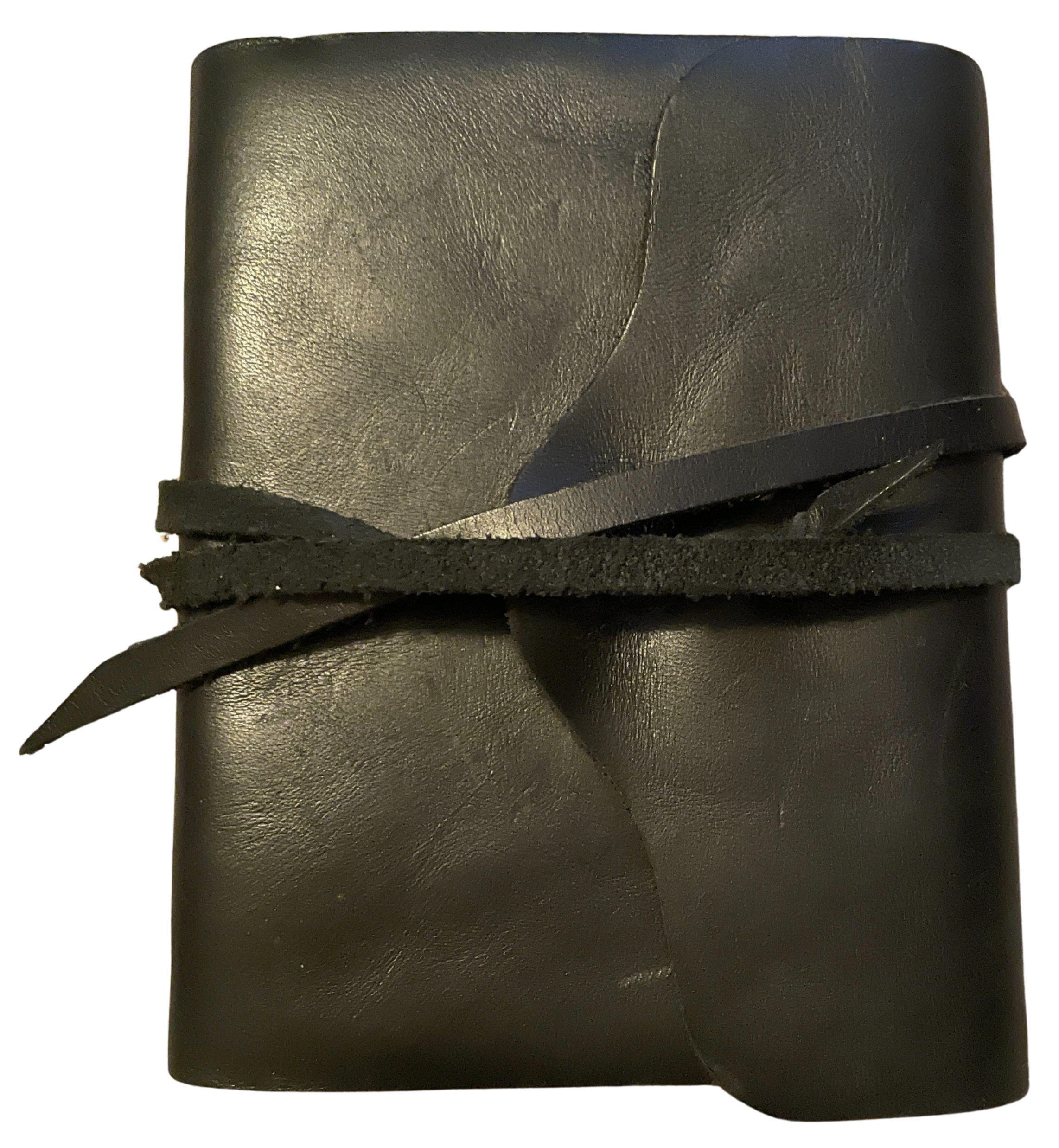
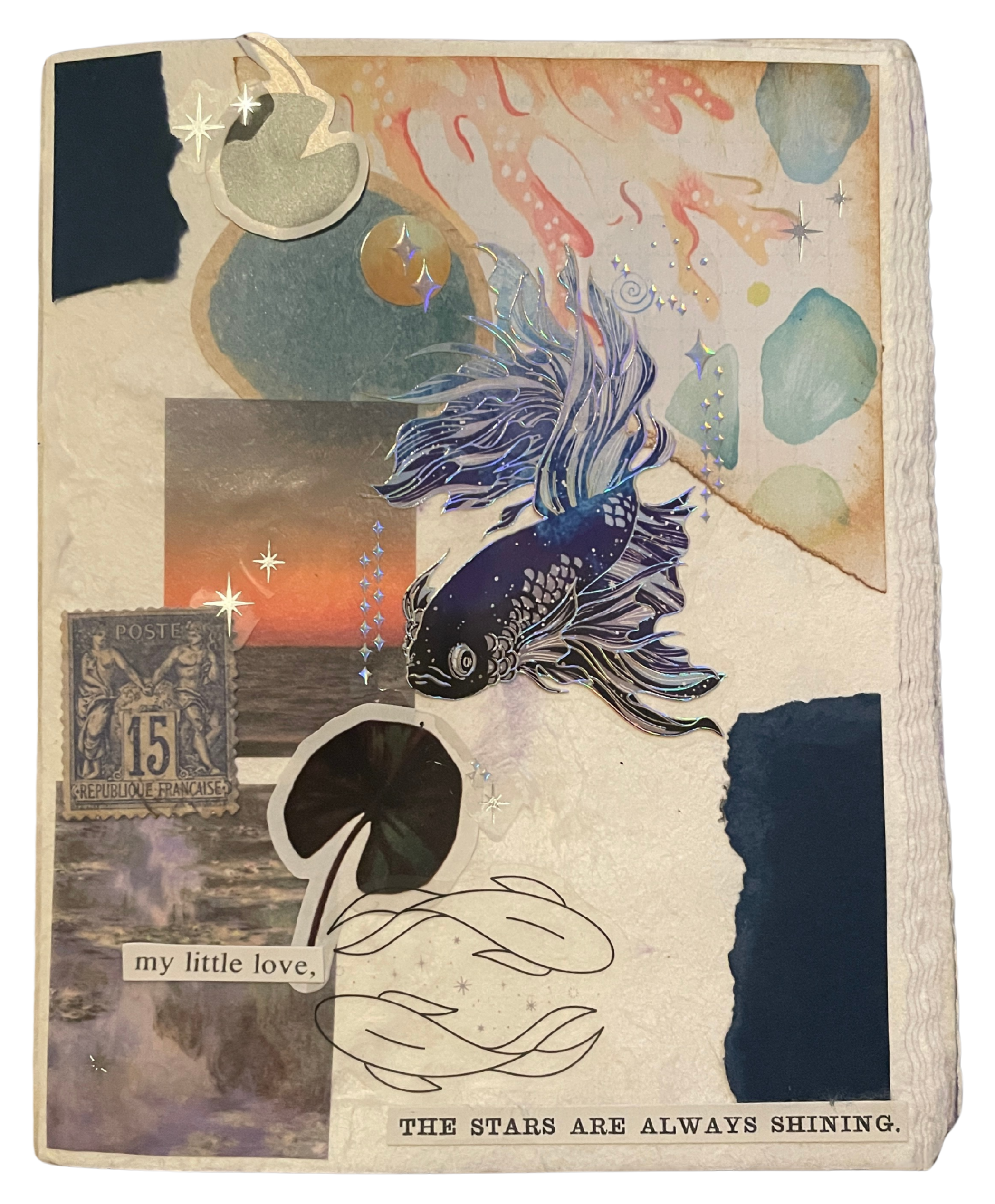
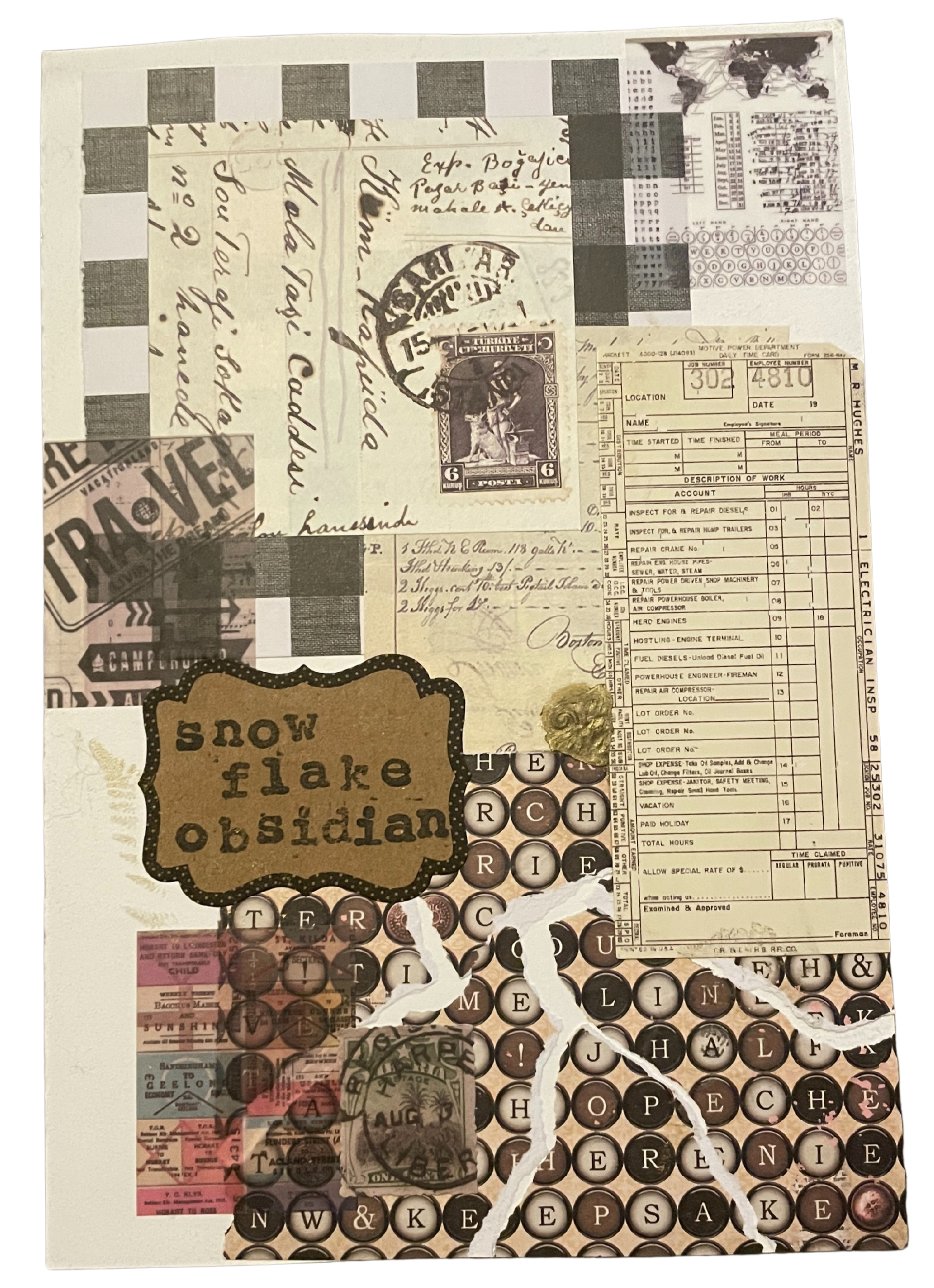
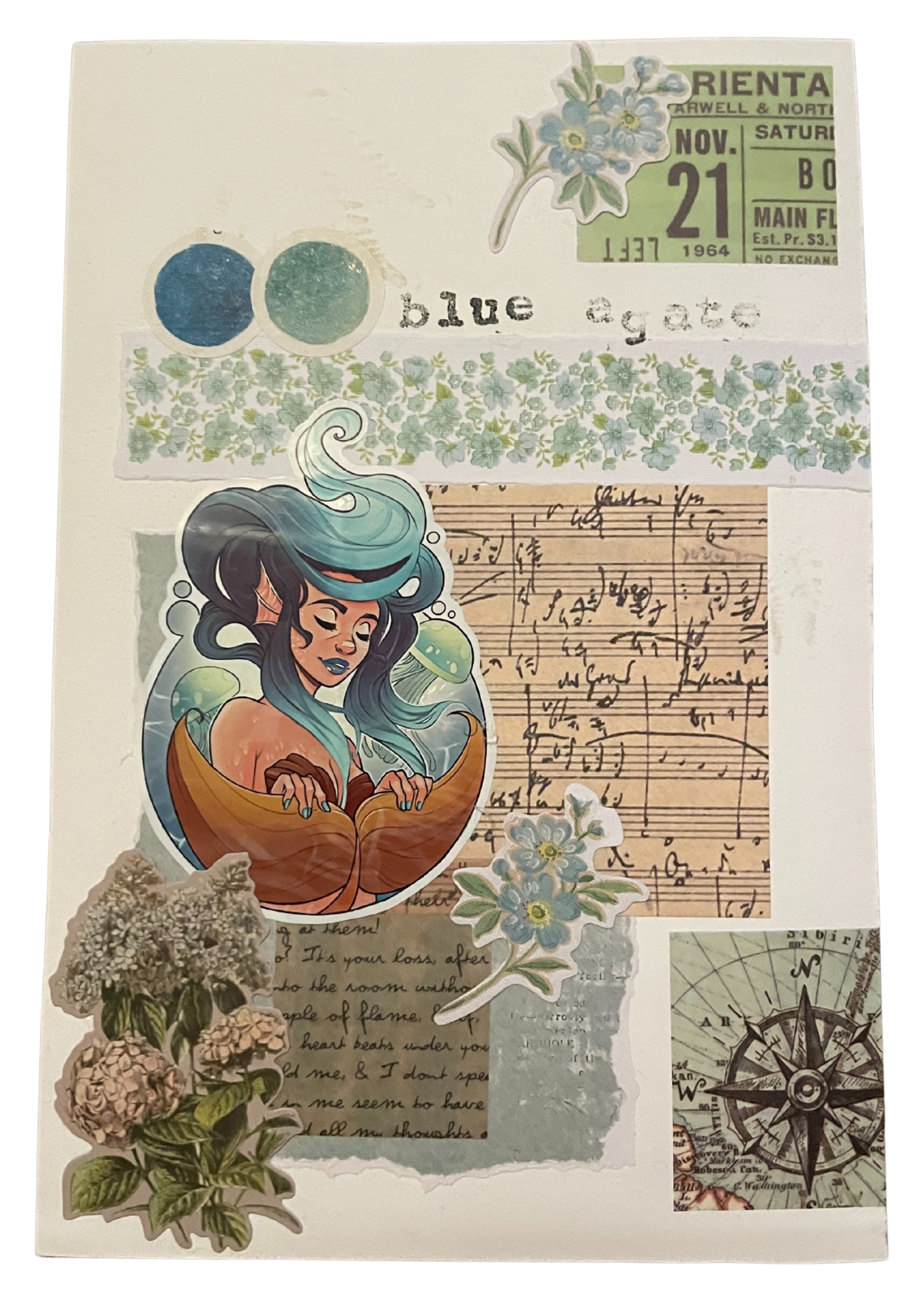
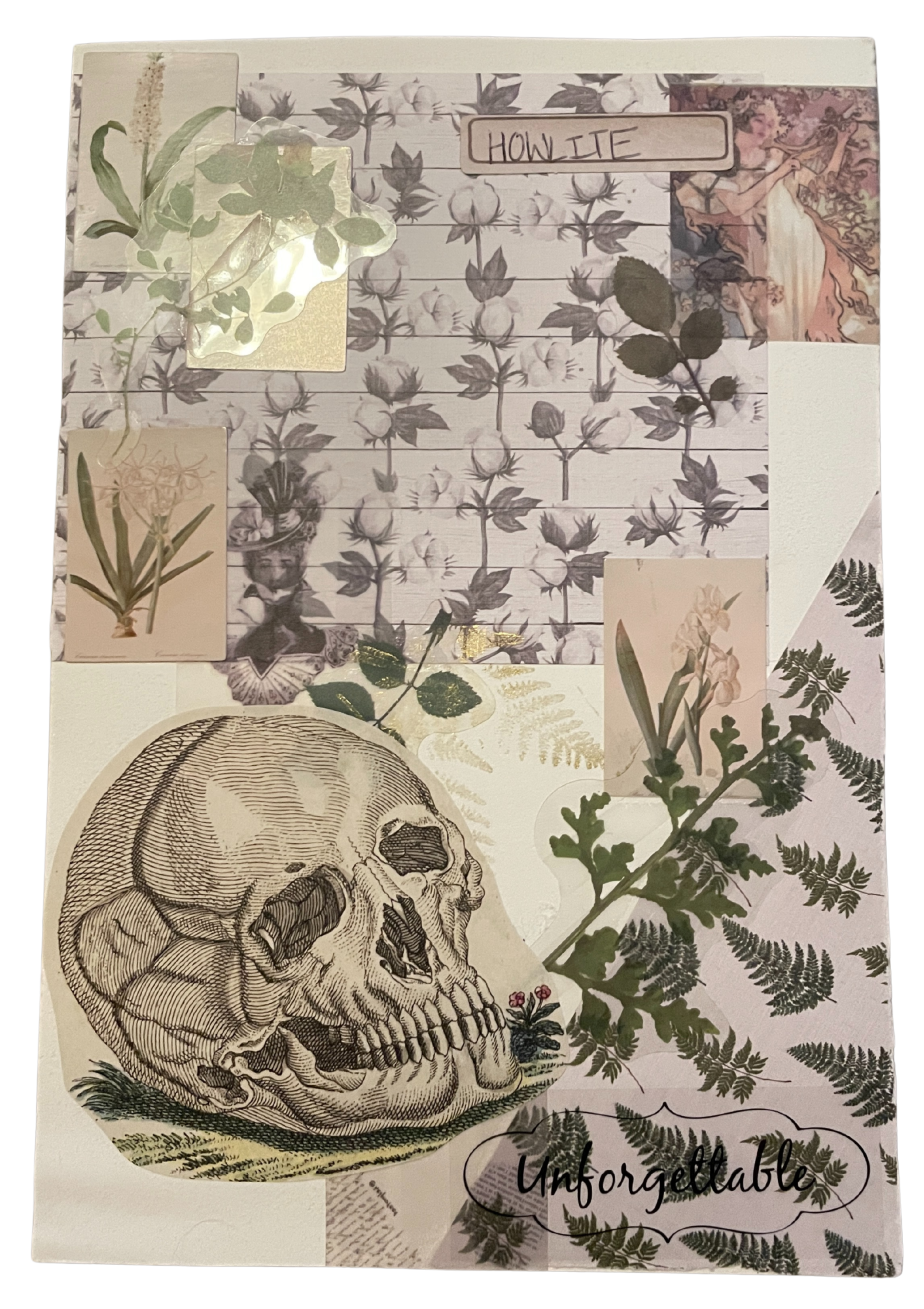
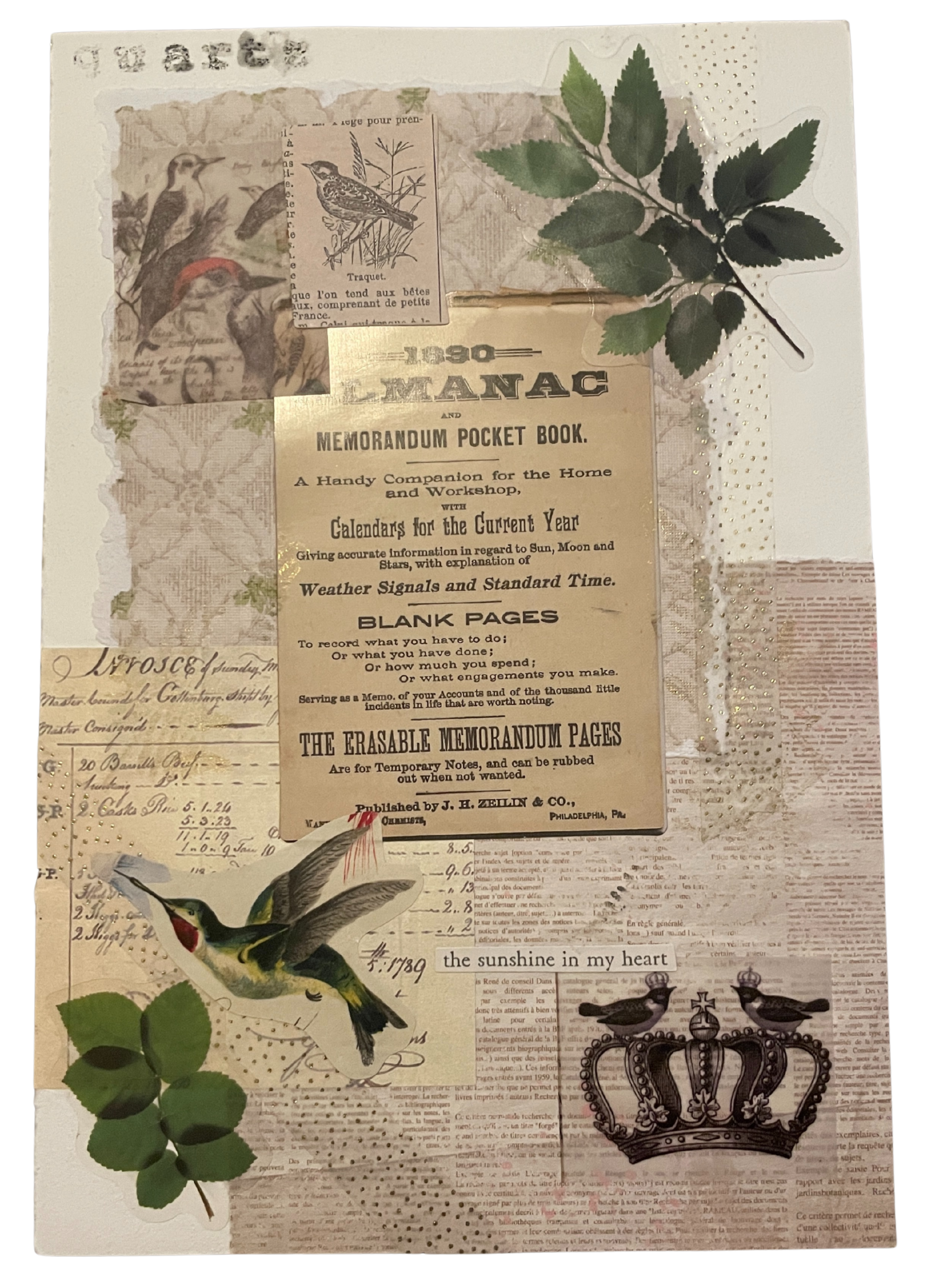
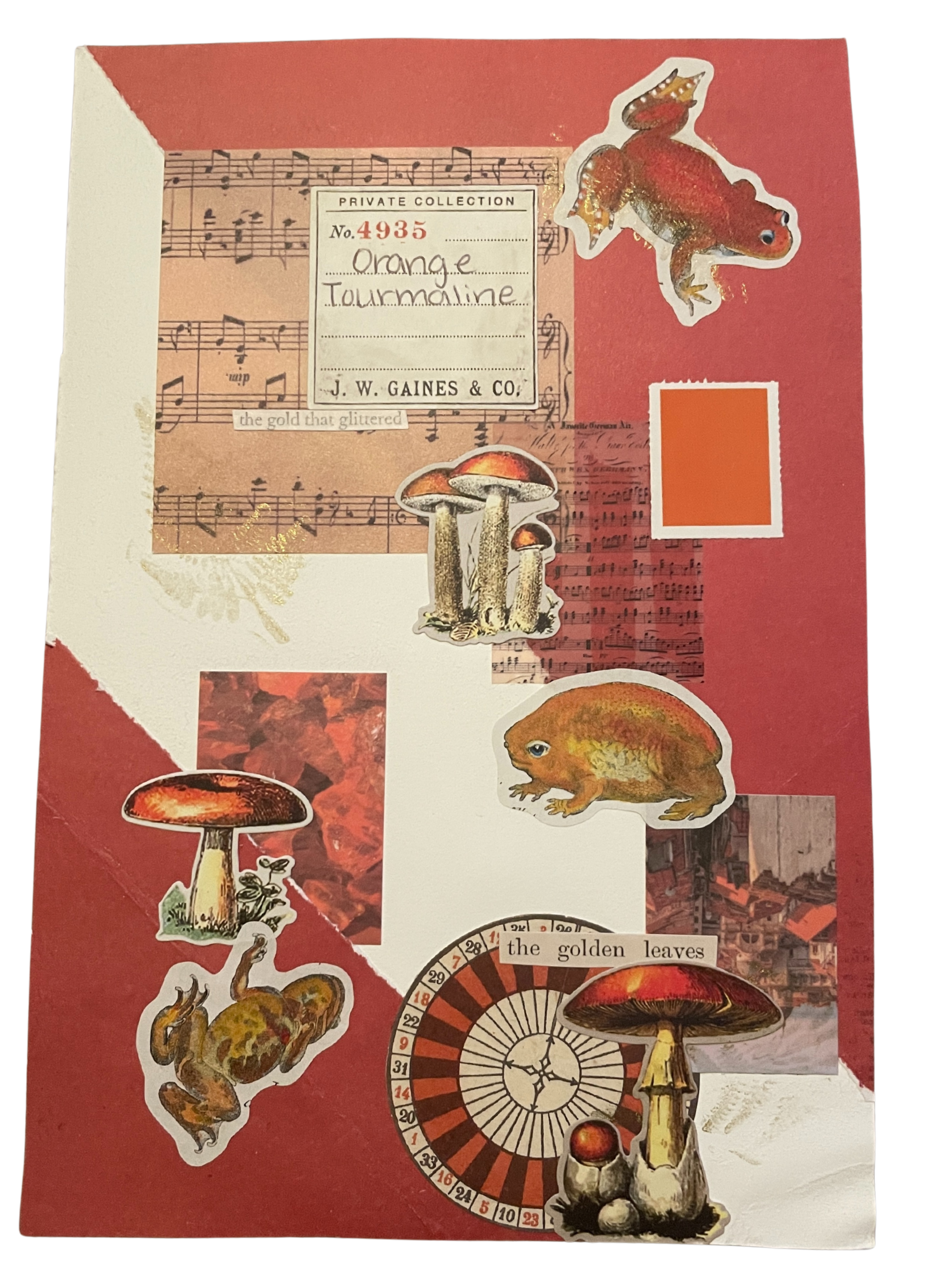
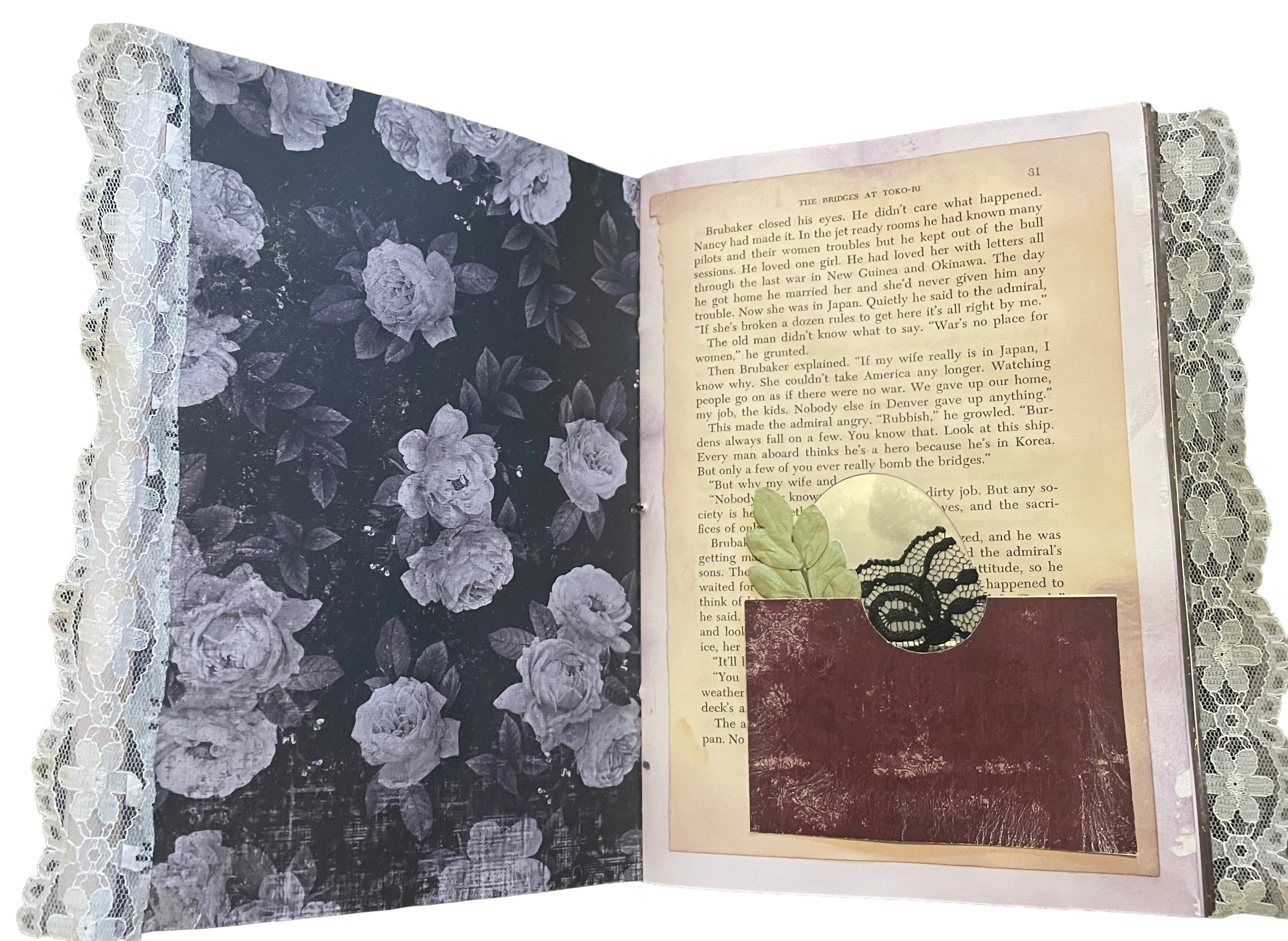
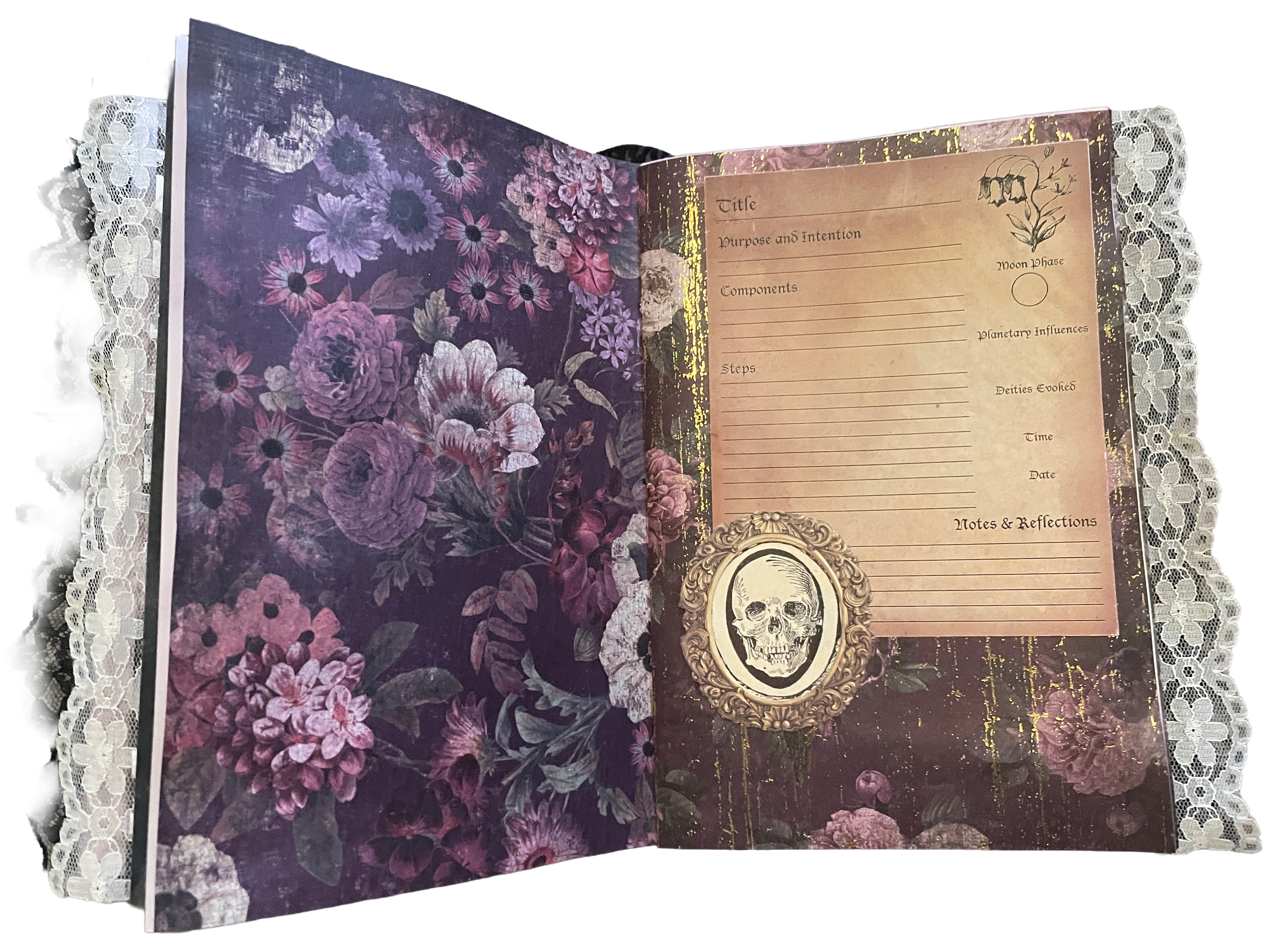
My Junk Journals
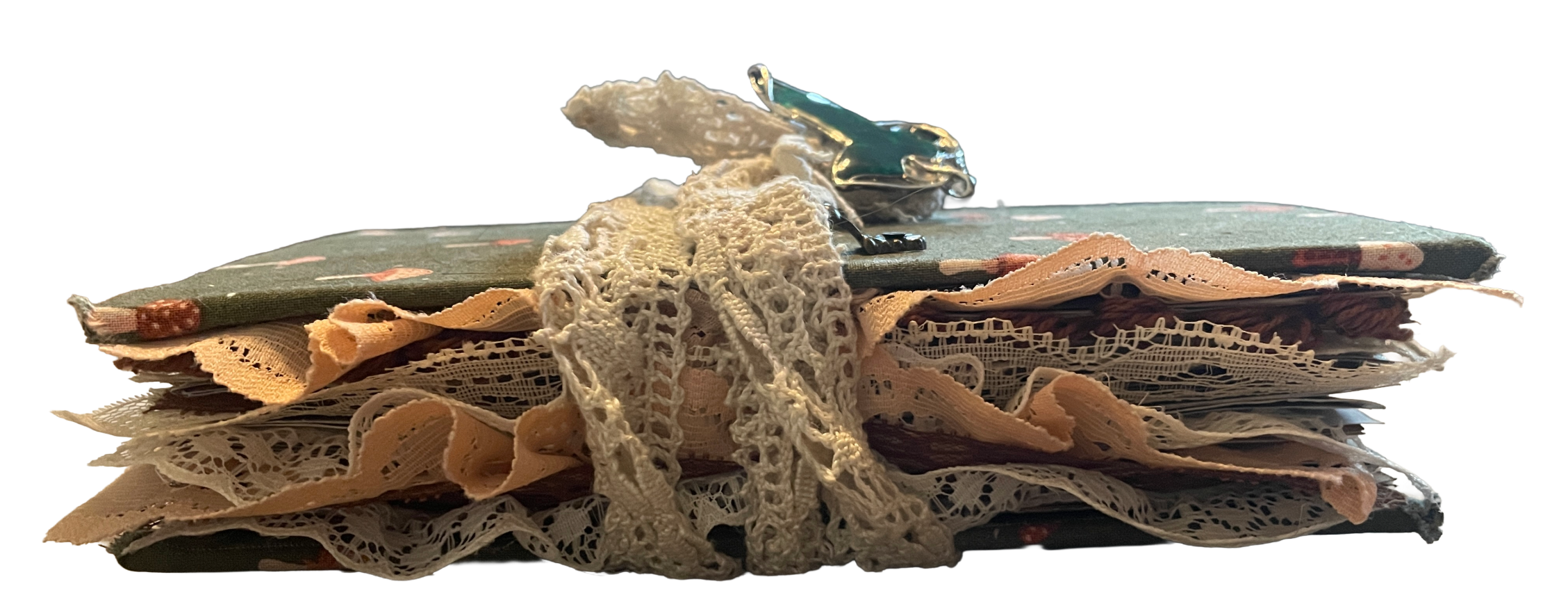
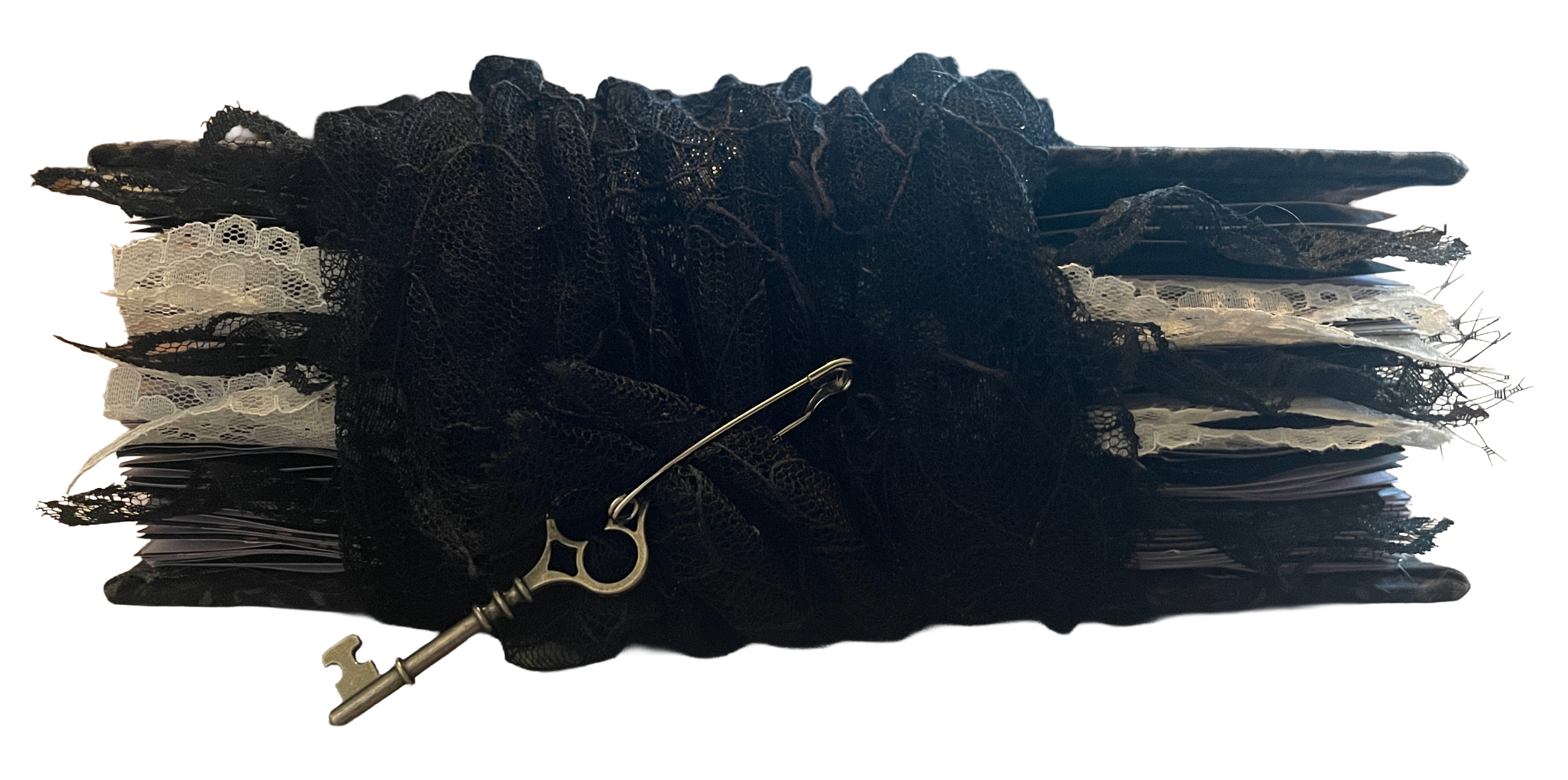
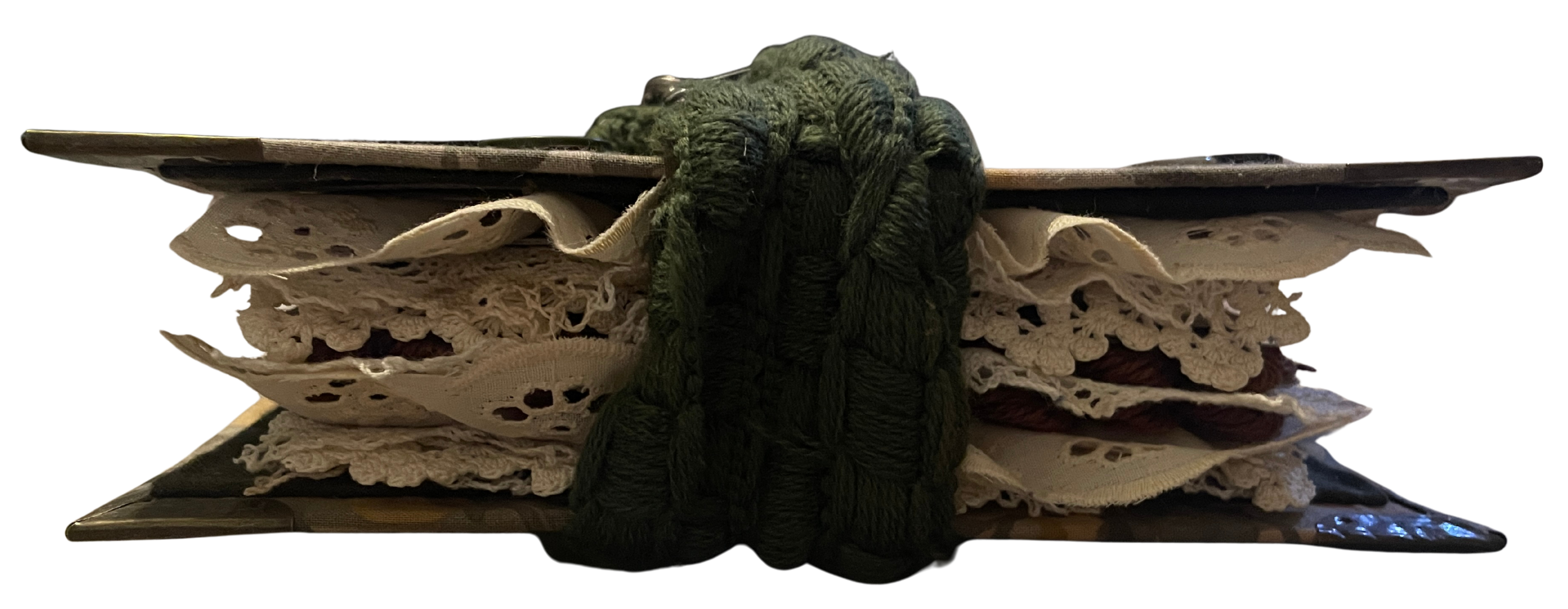
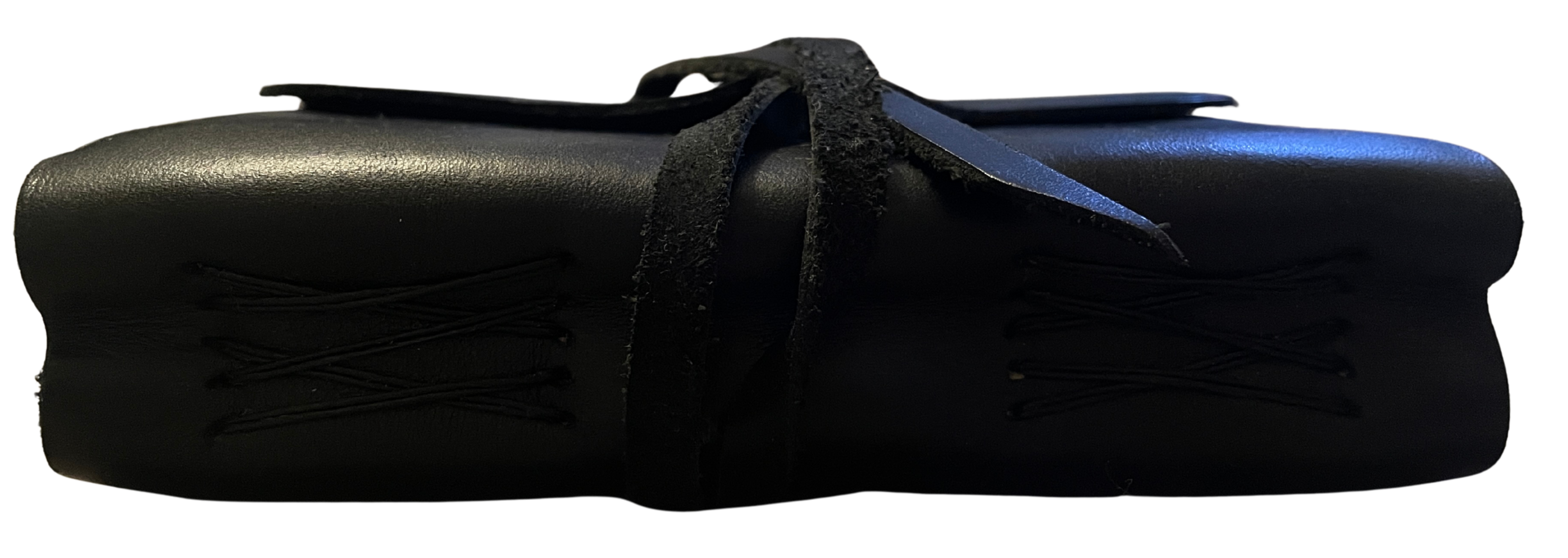
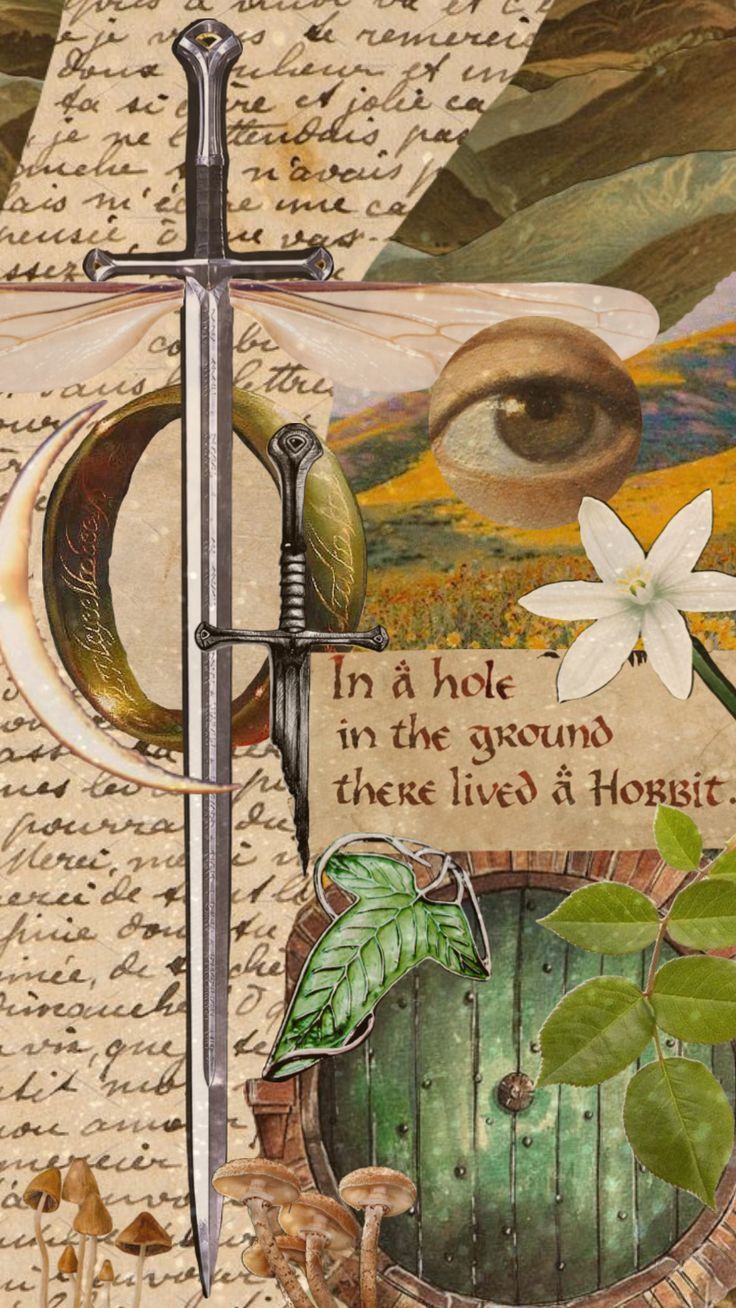
Shire Journal
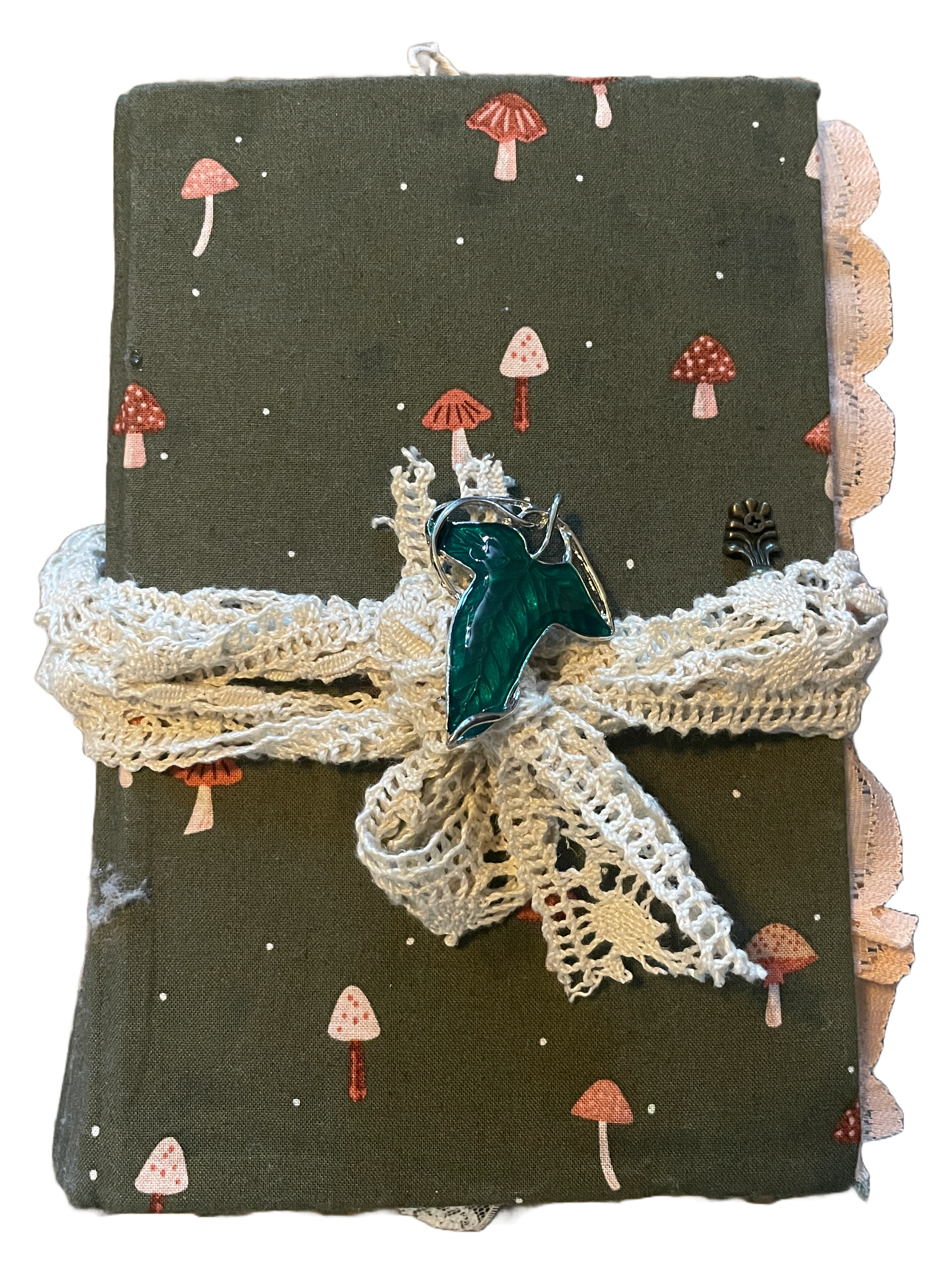
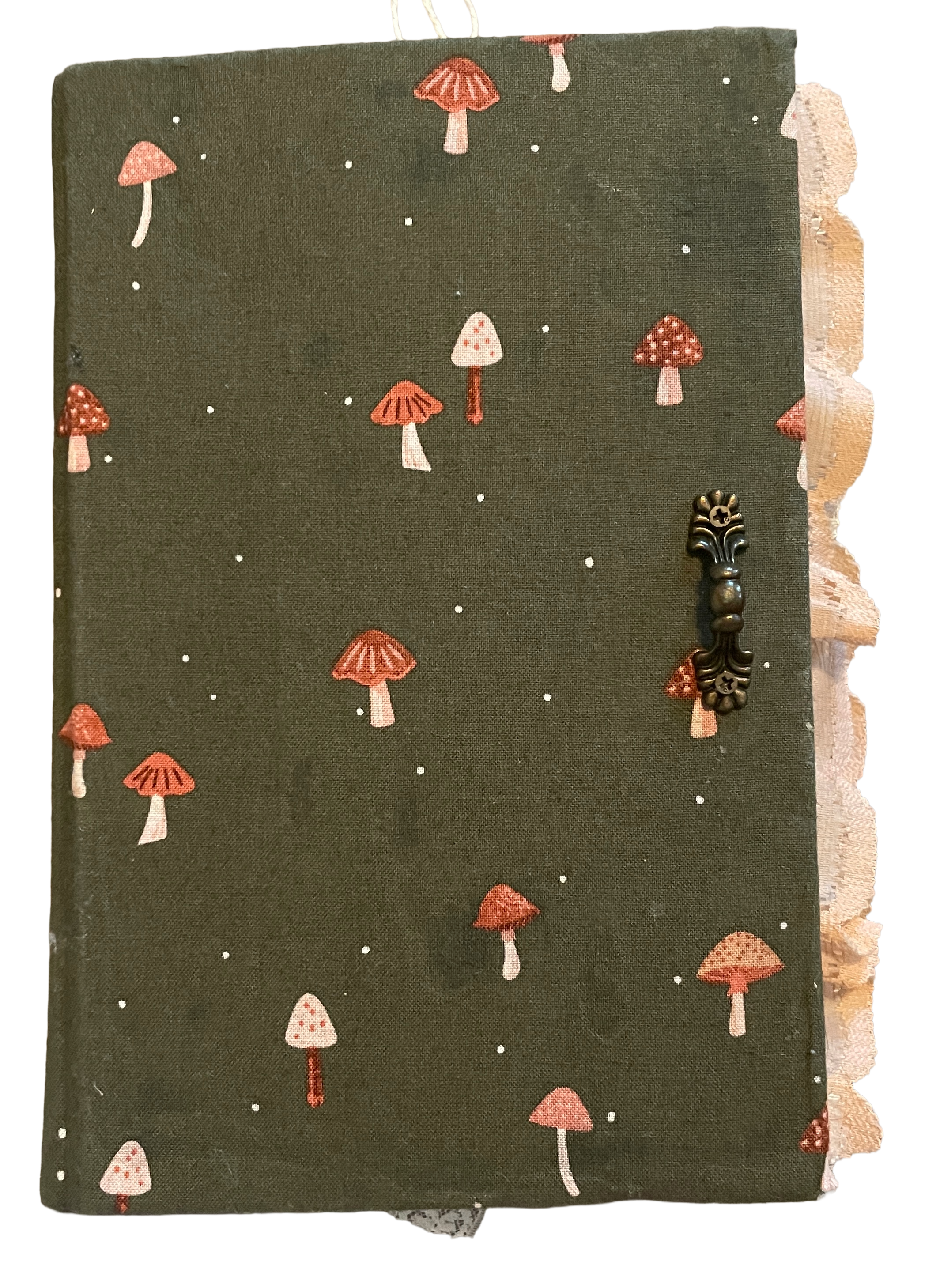
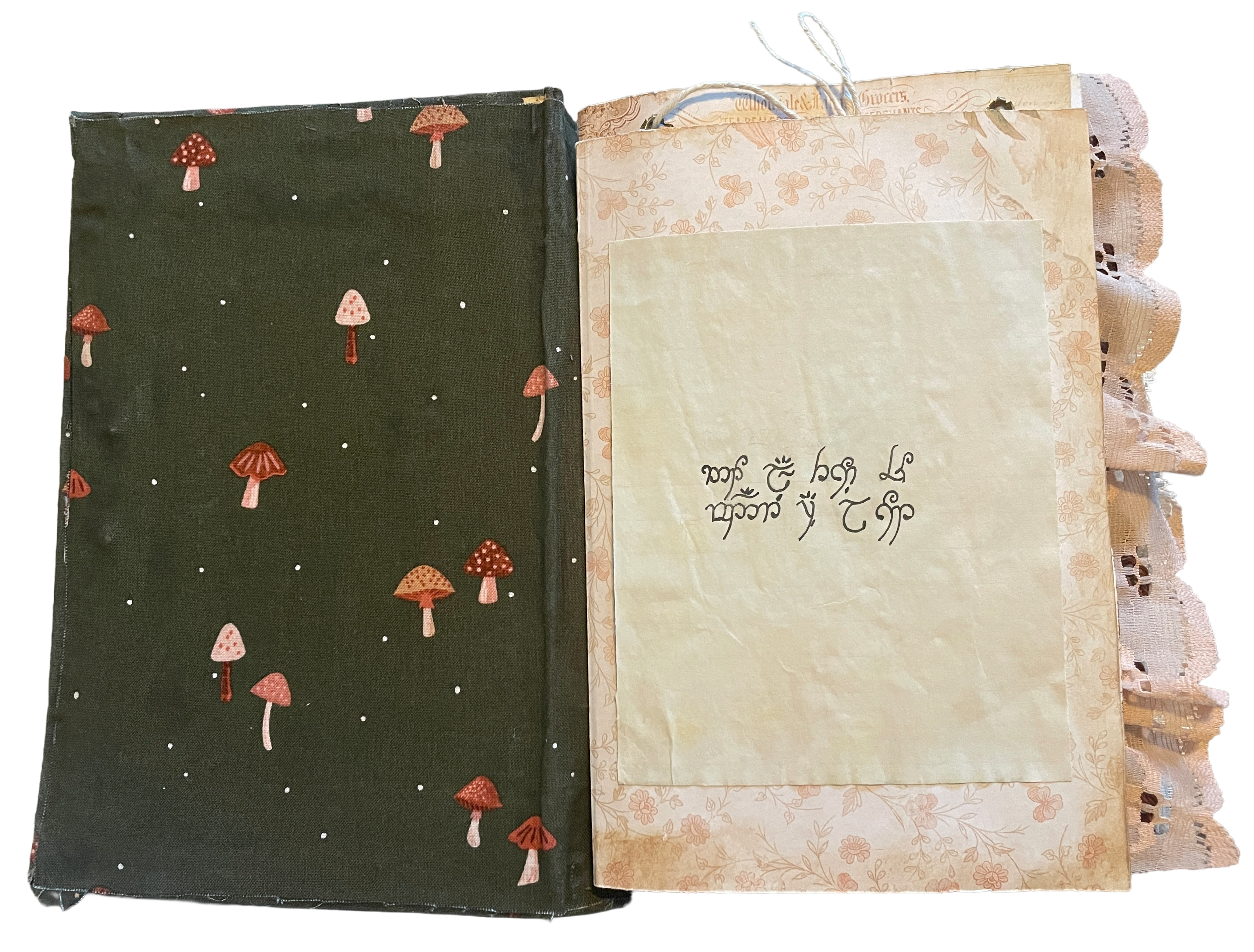
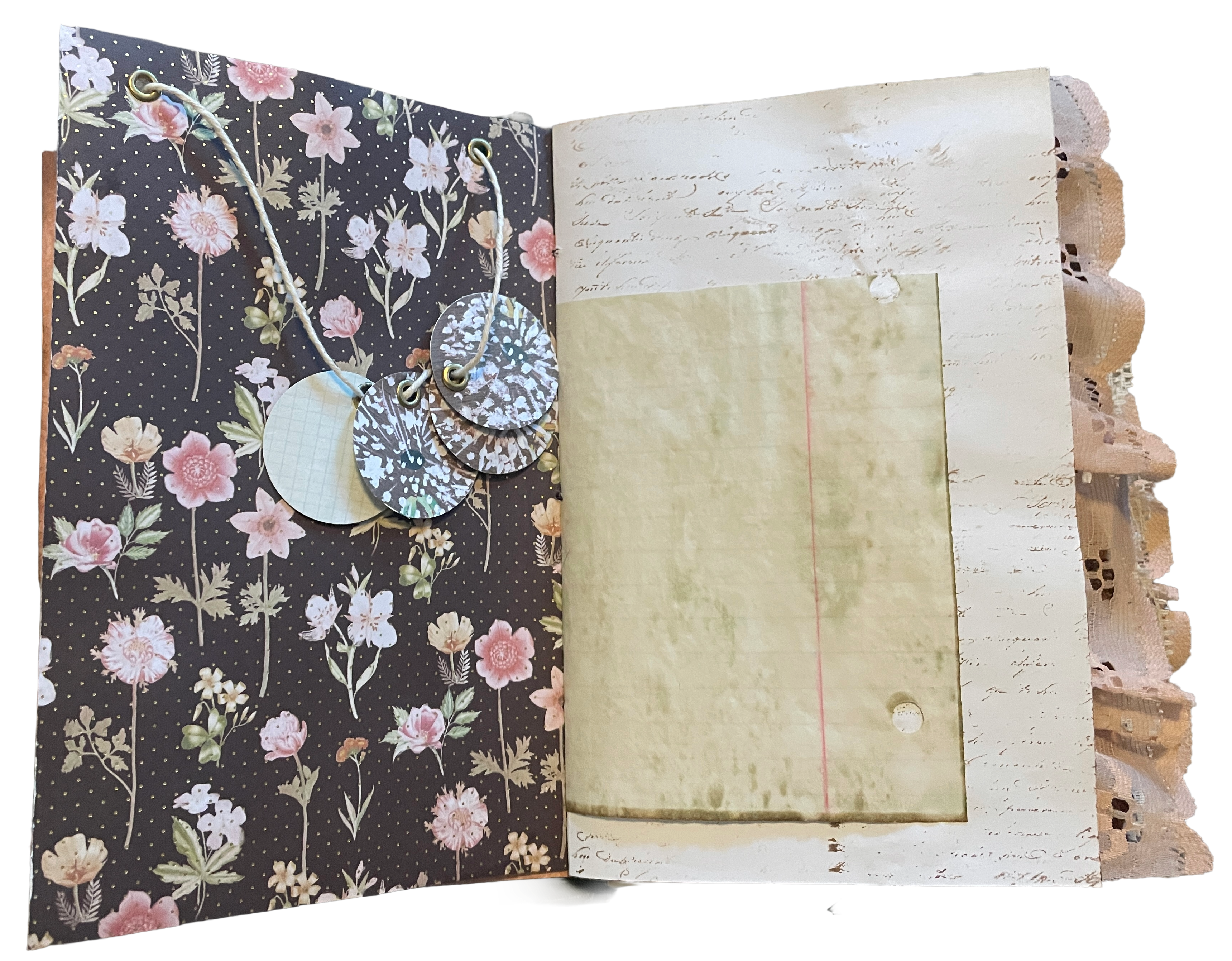
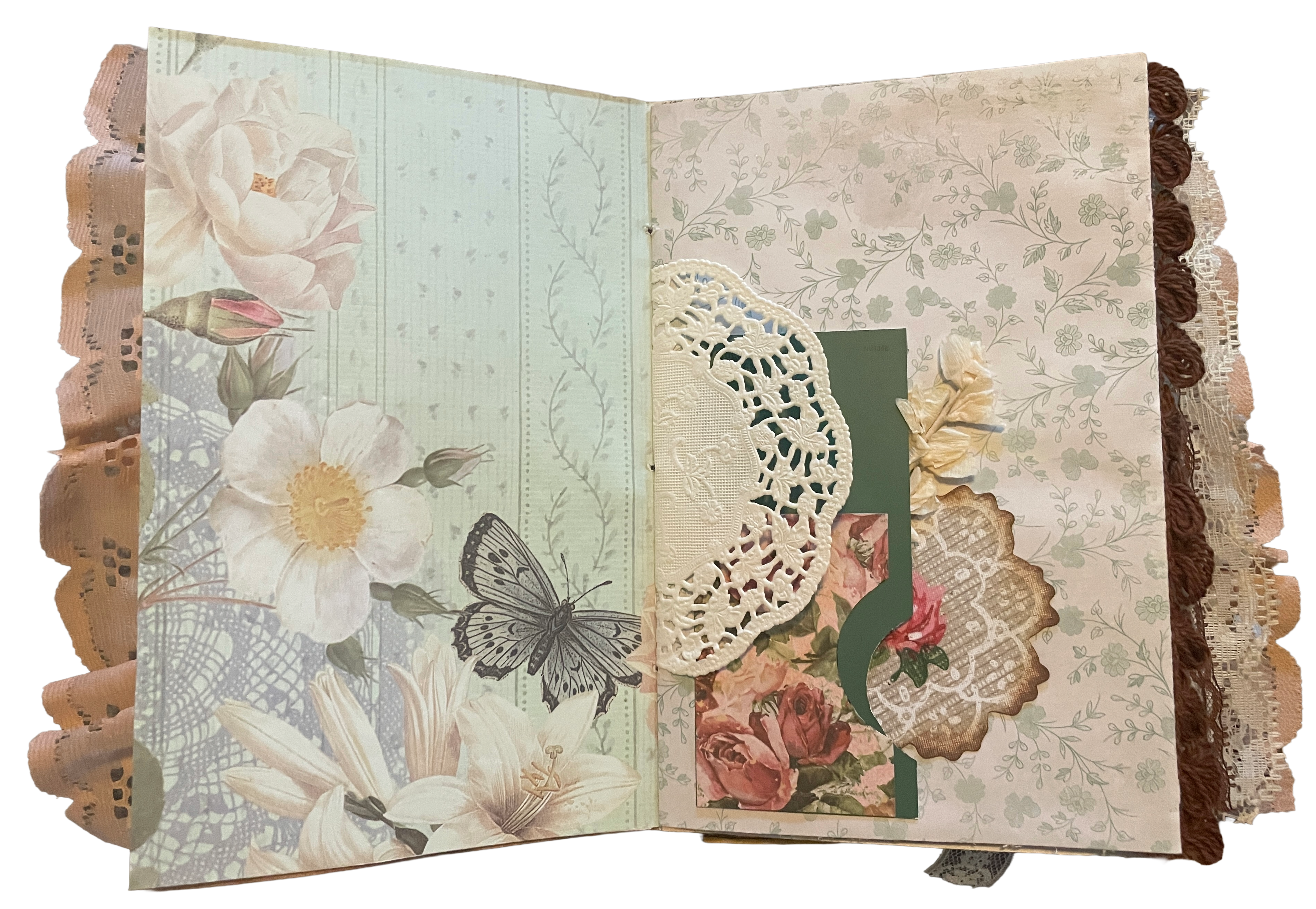
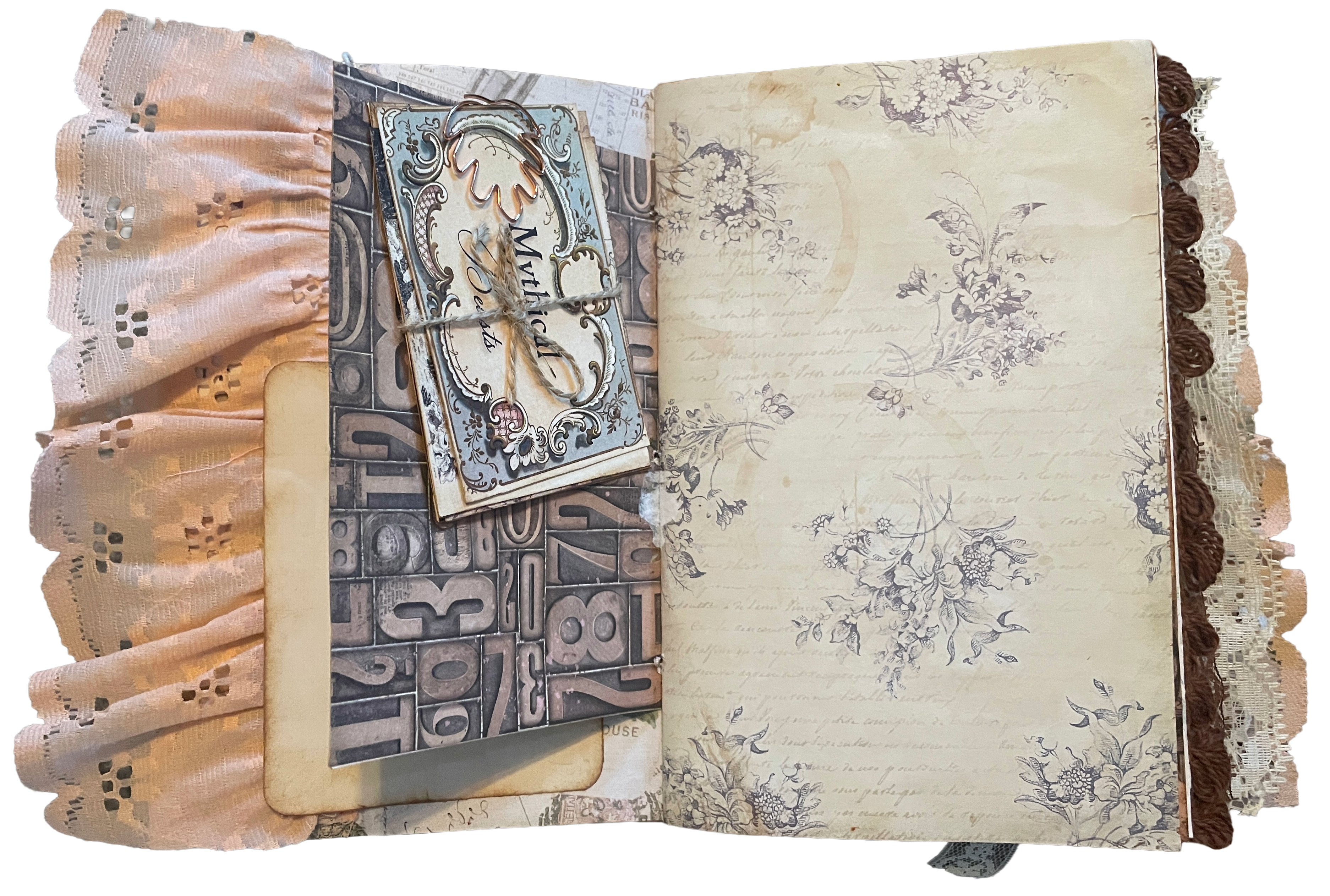
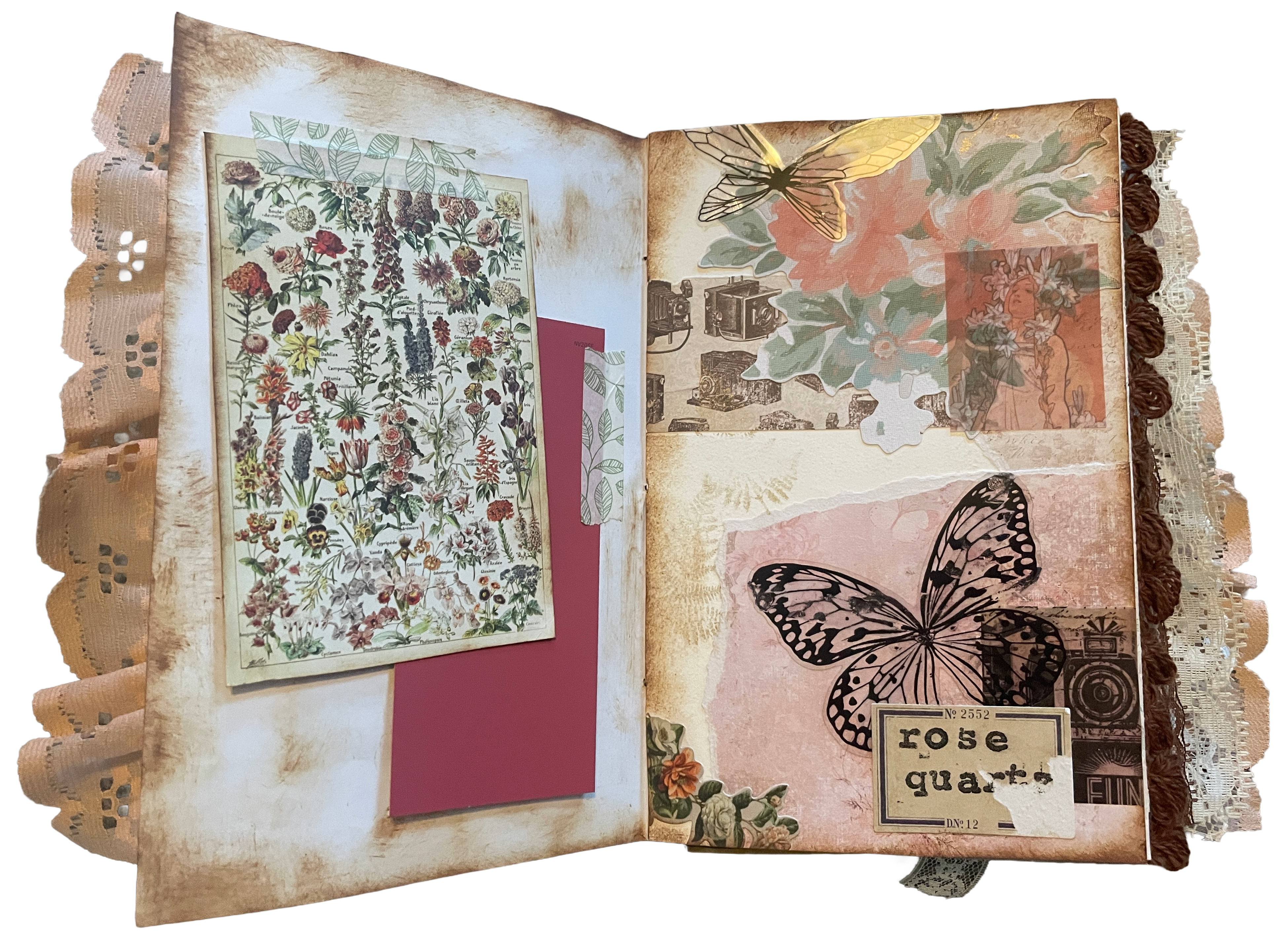
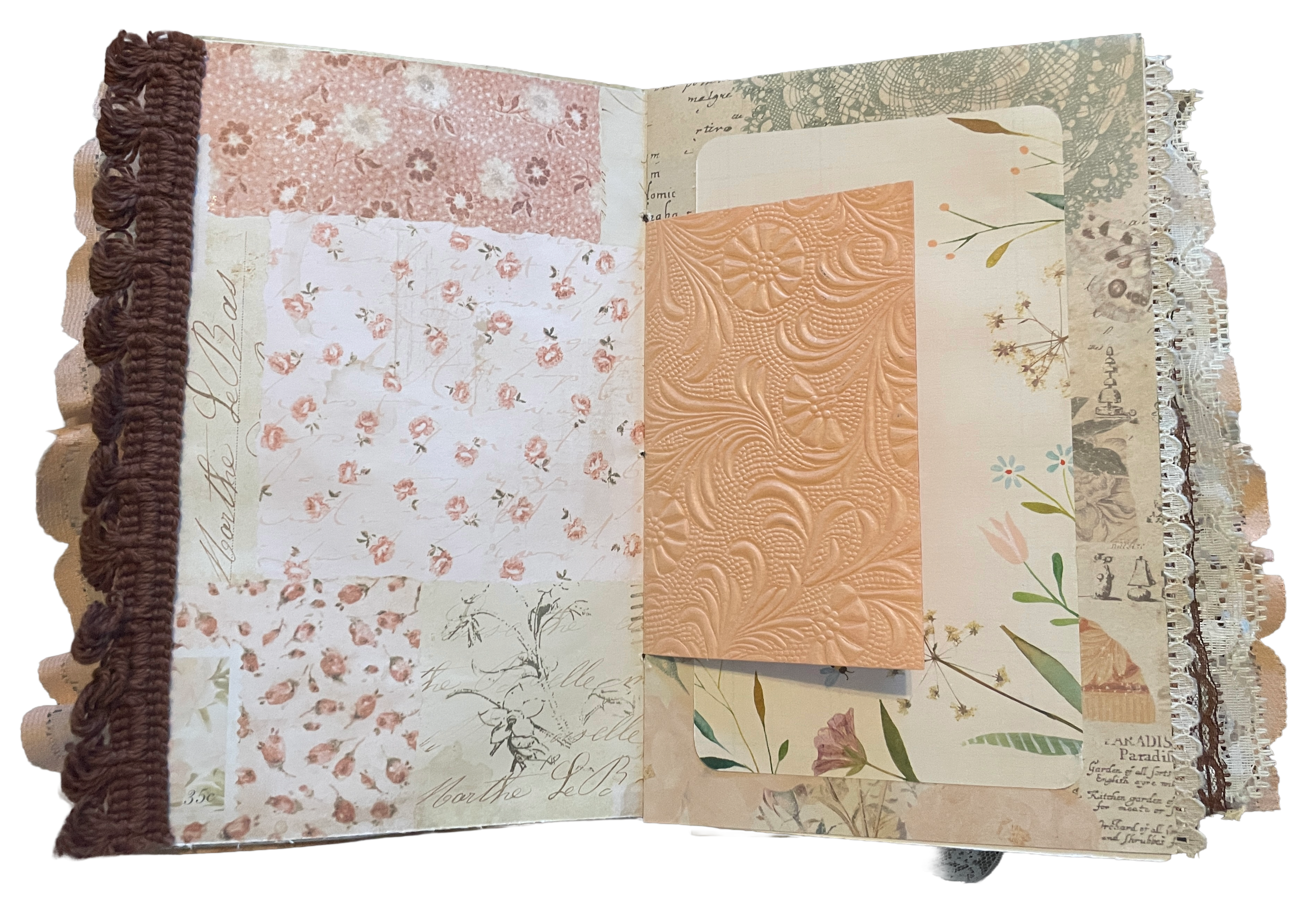
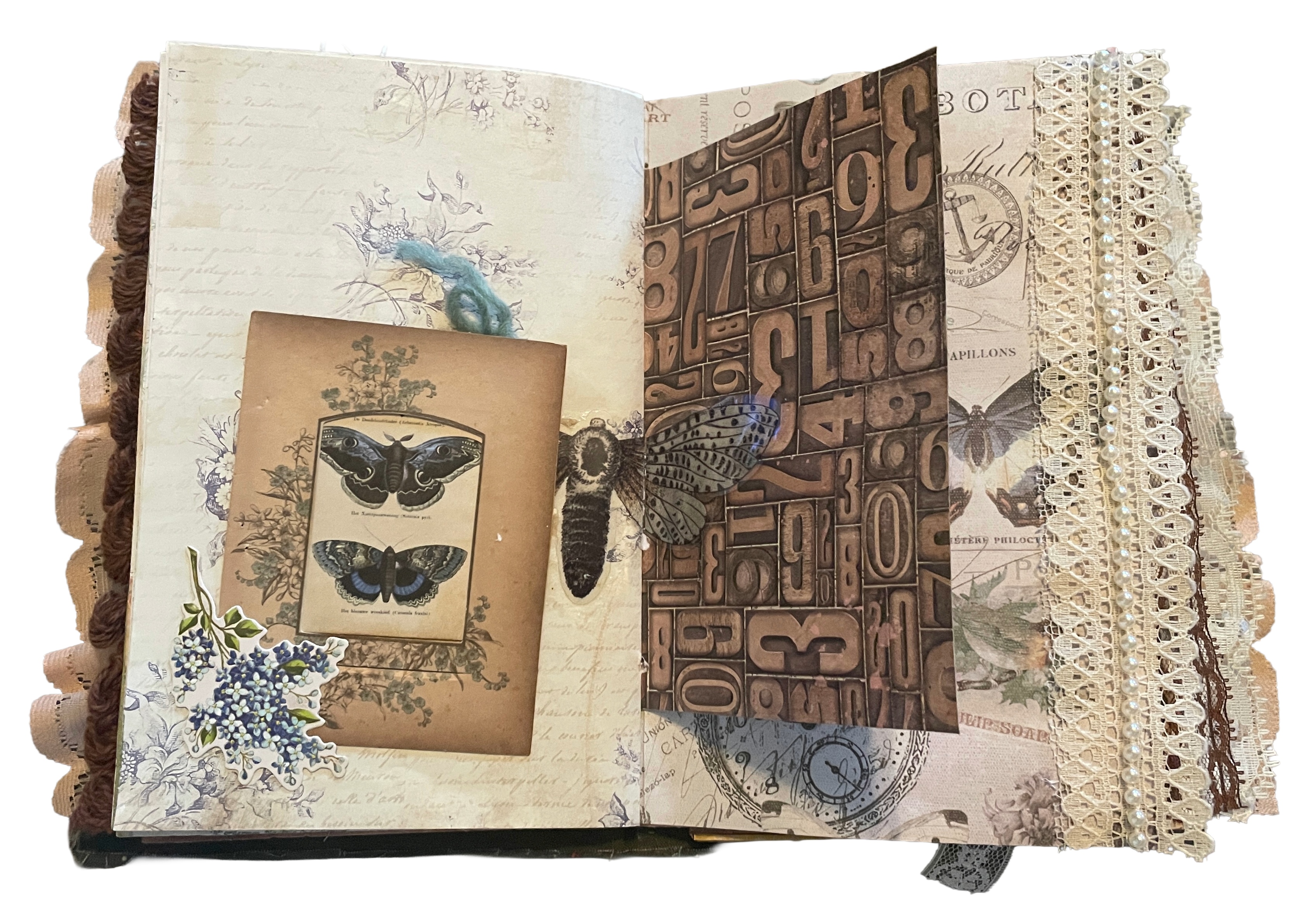
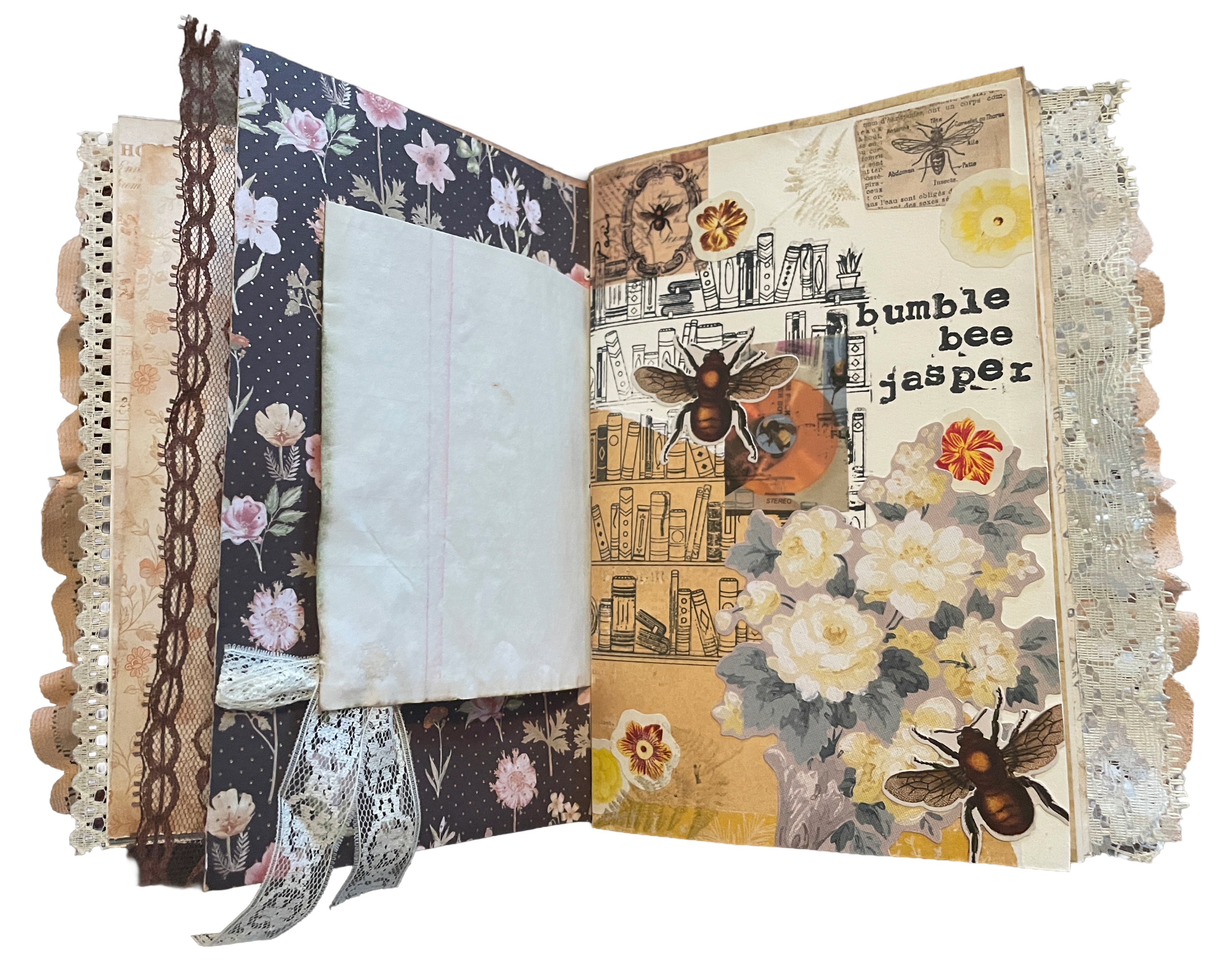
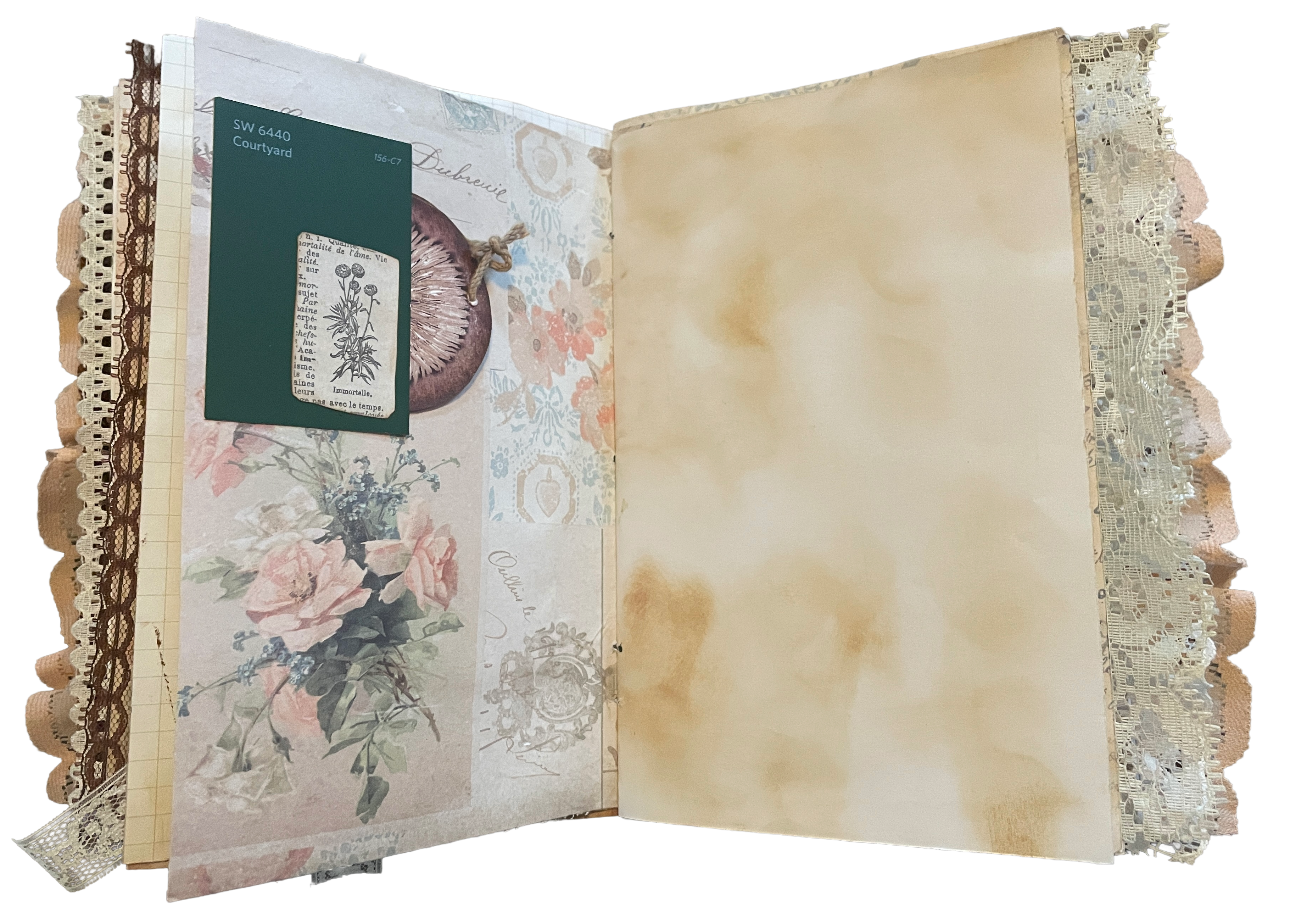
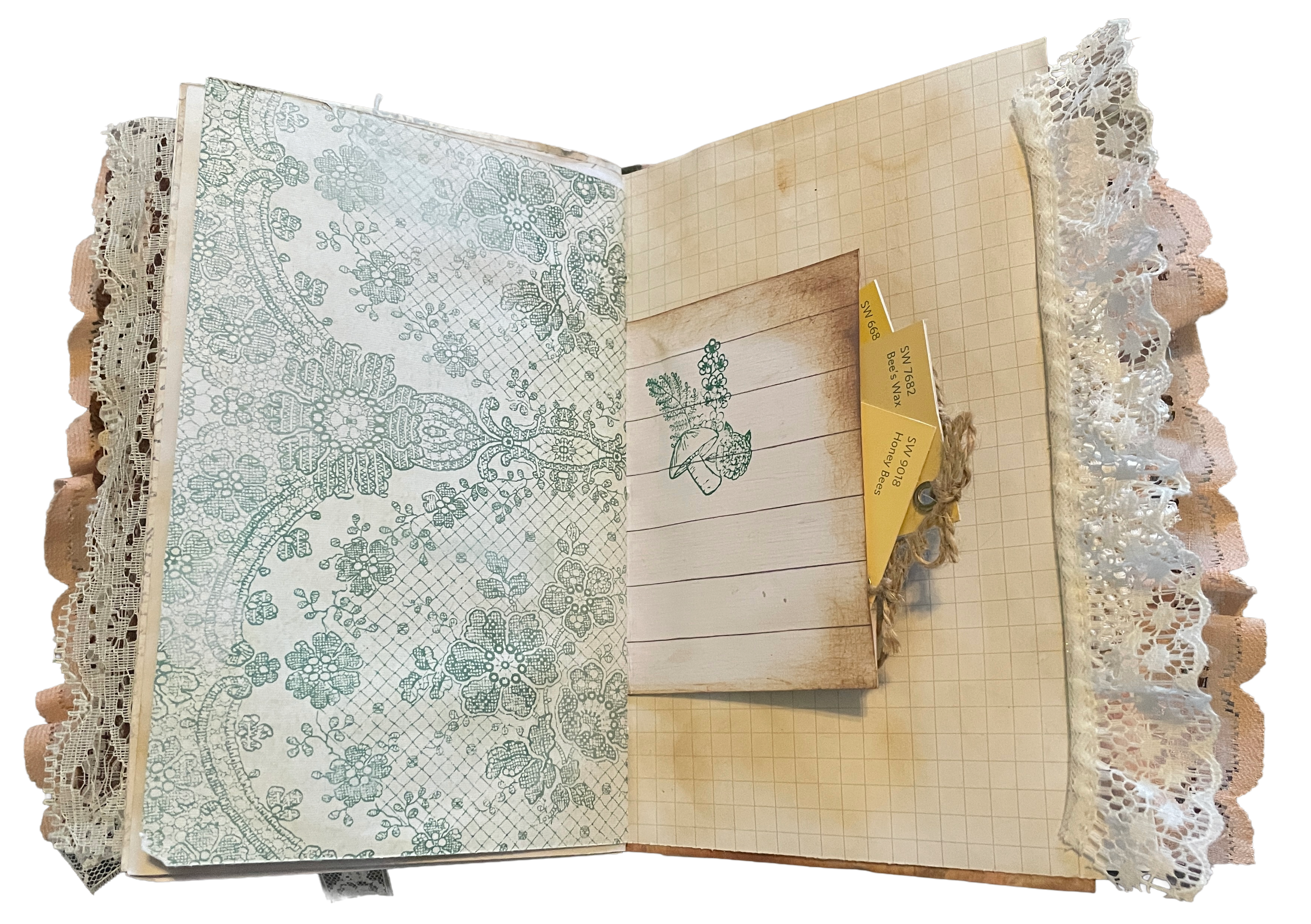
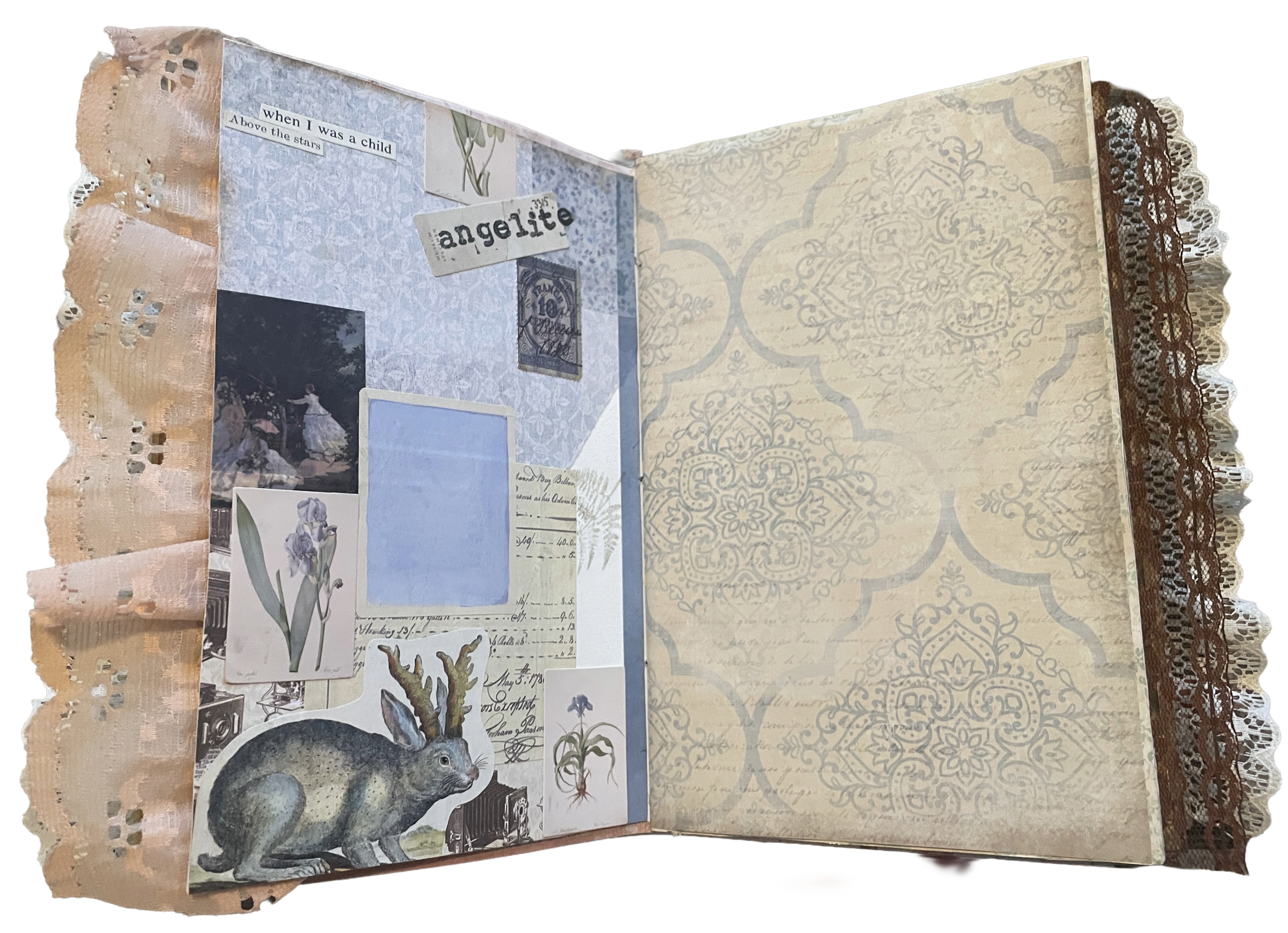
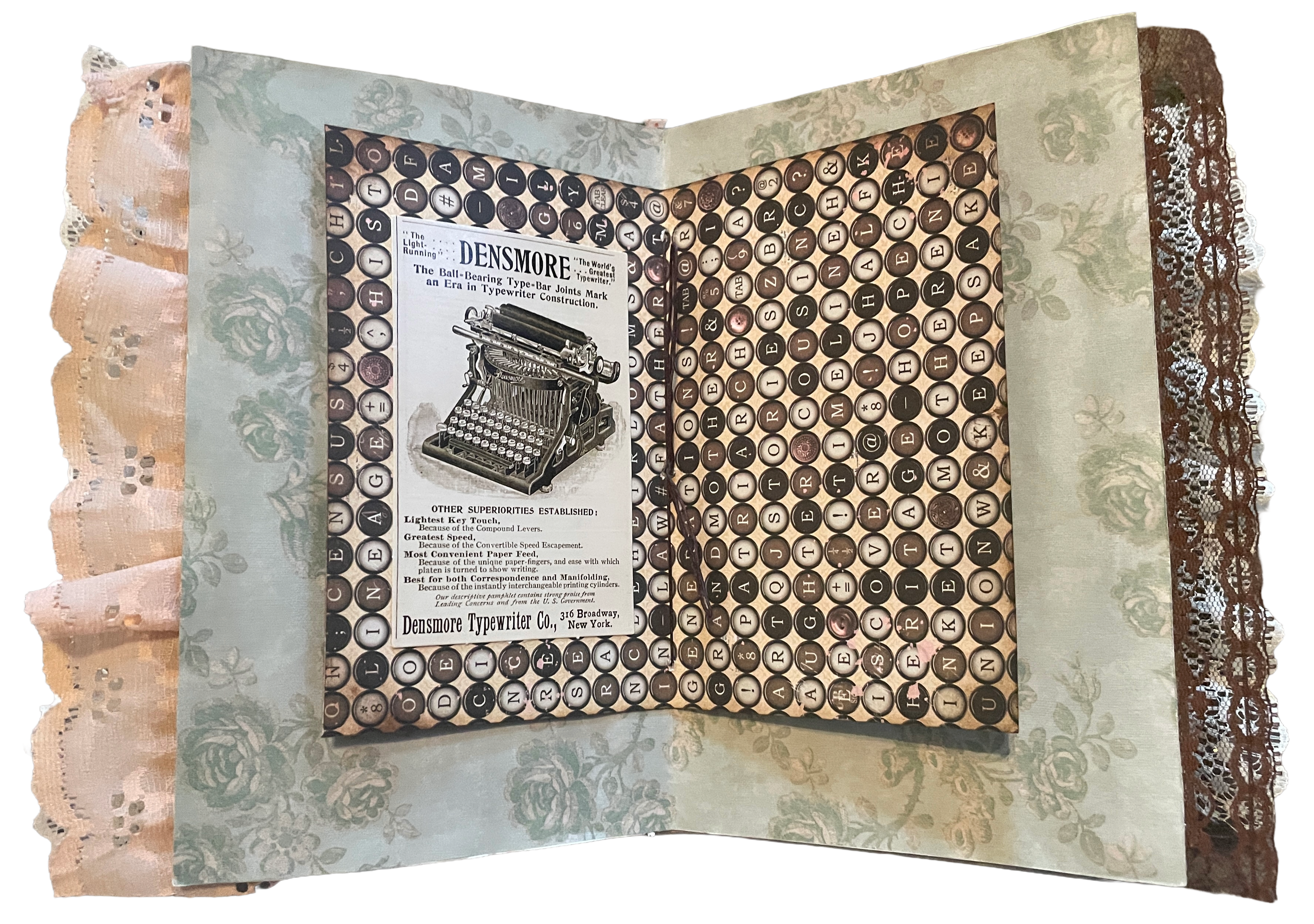
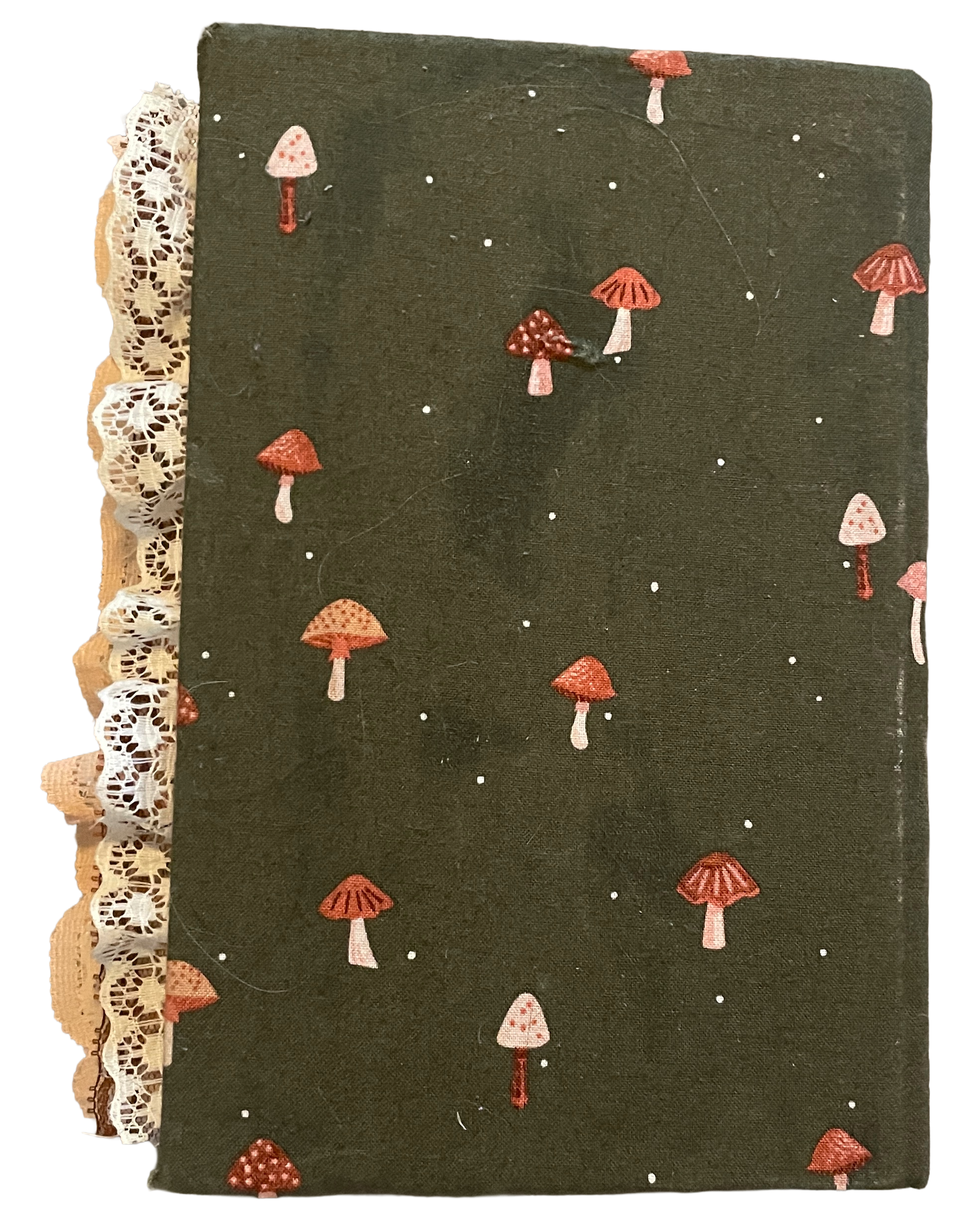
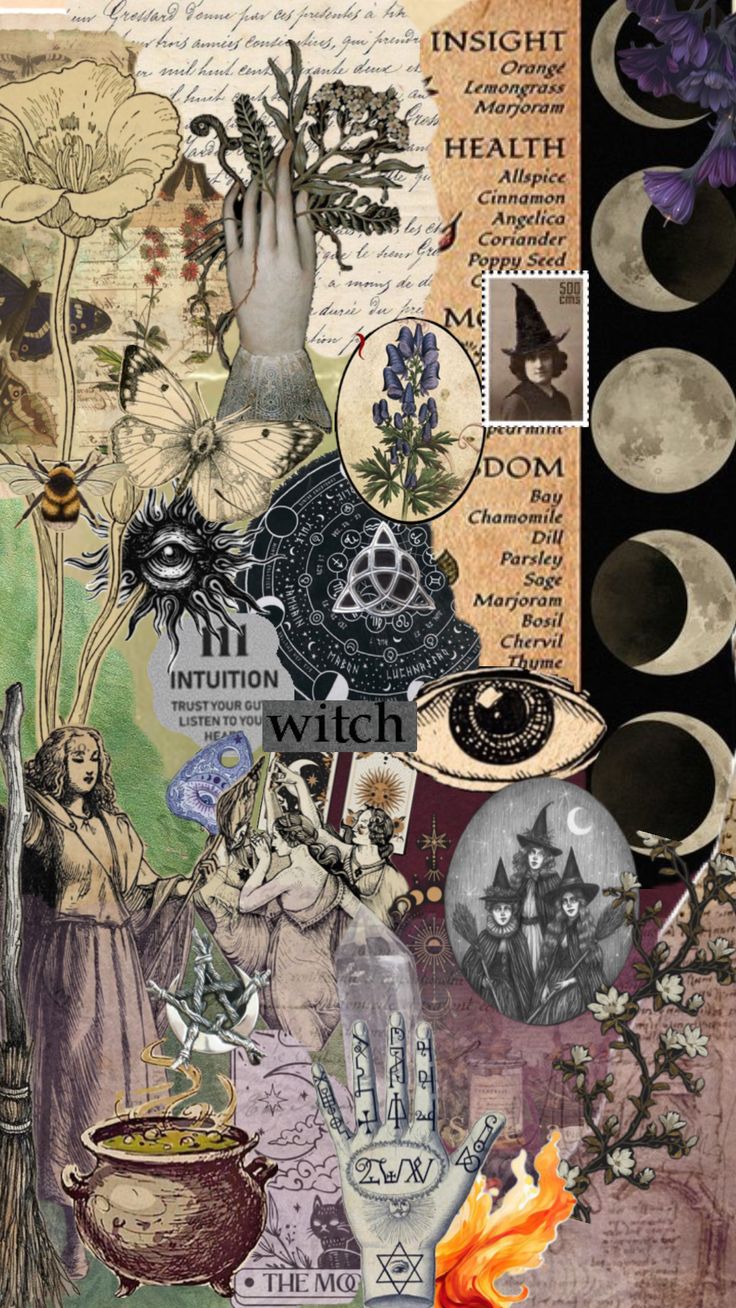
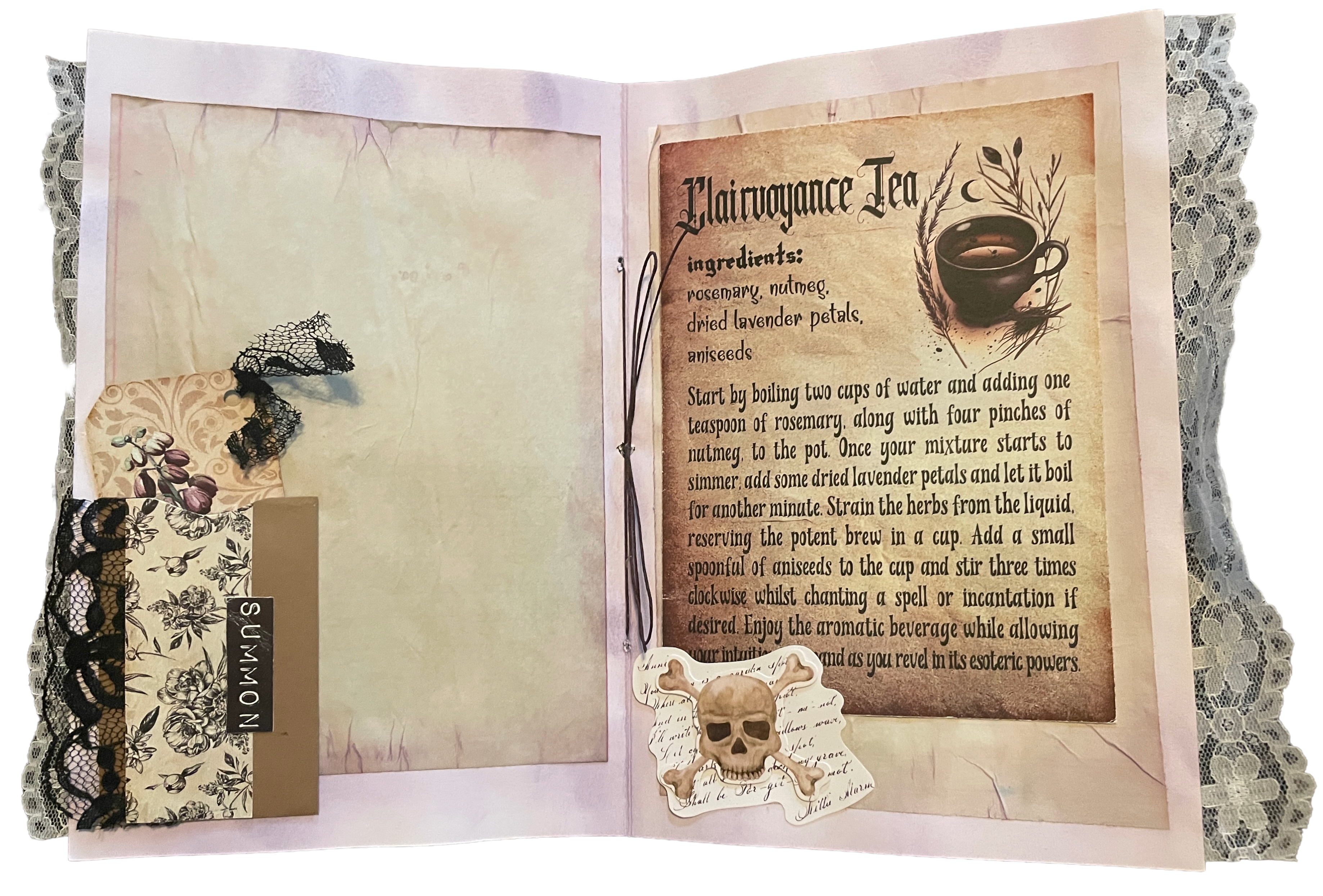
Witch Journal
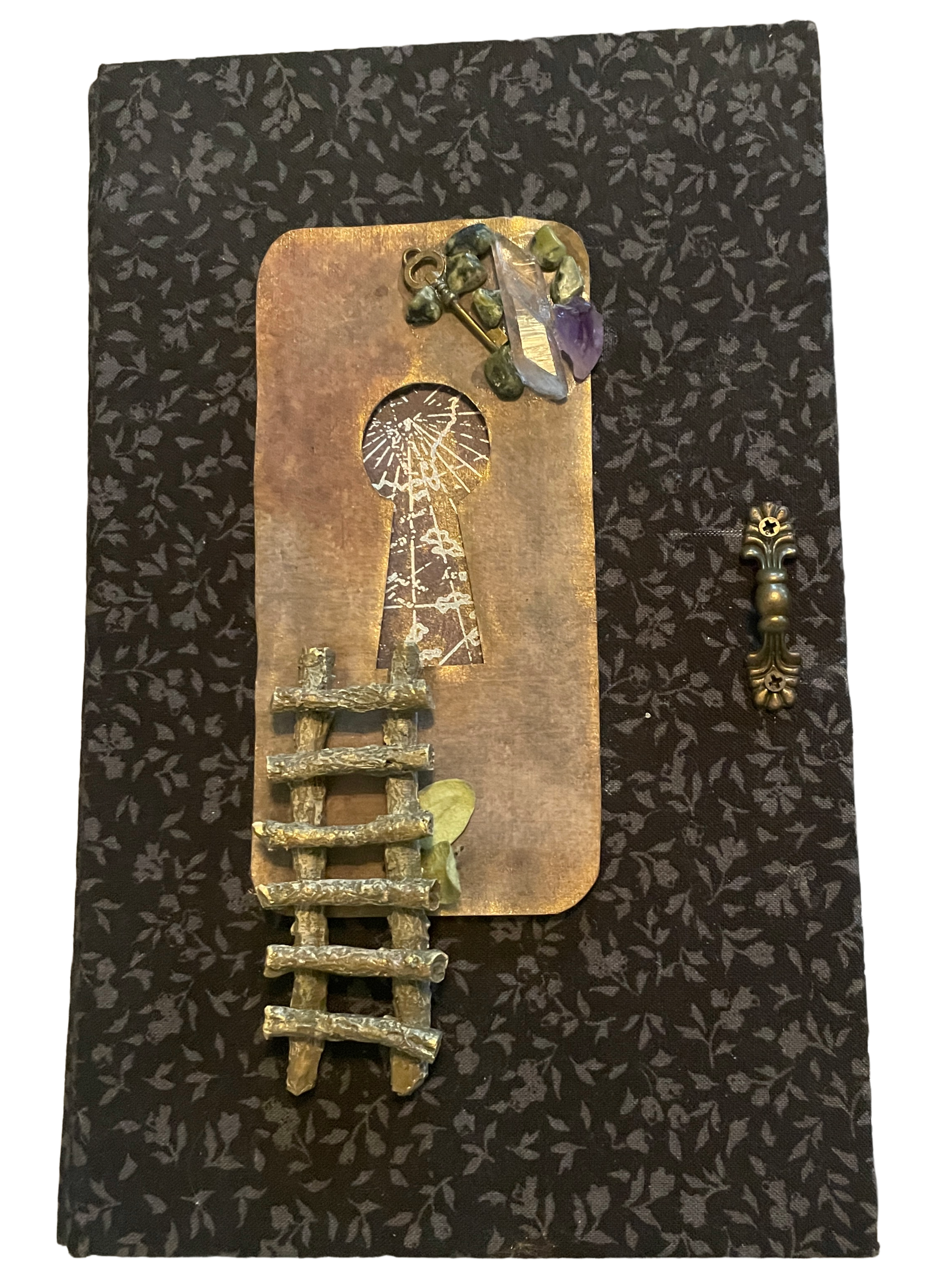
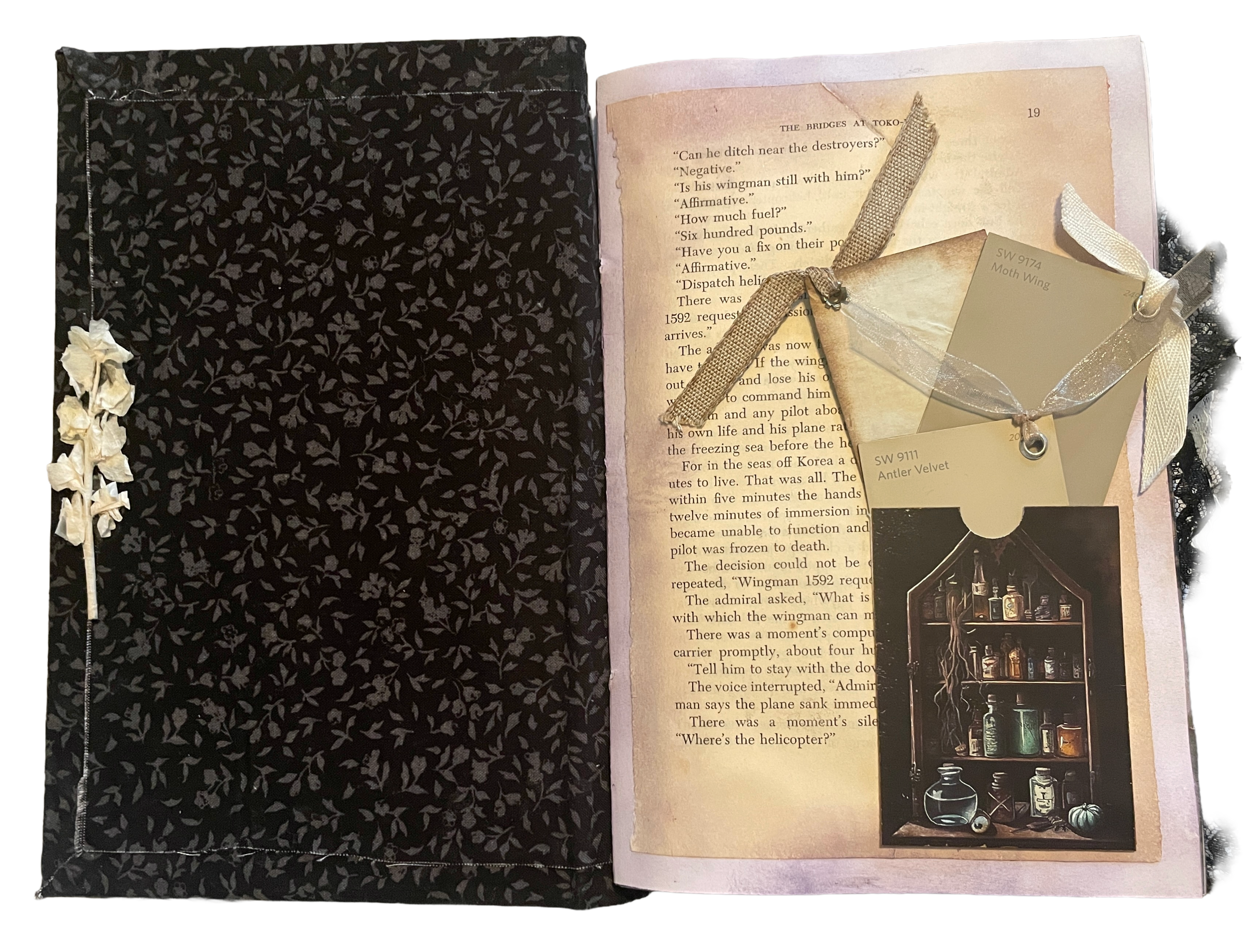
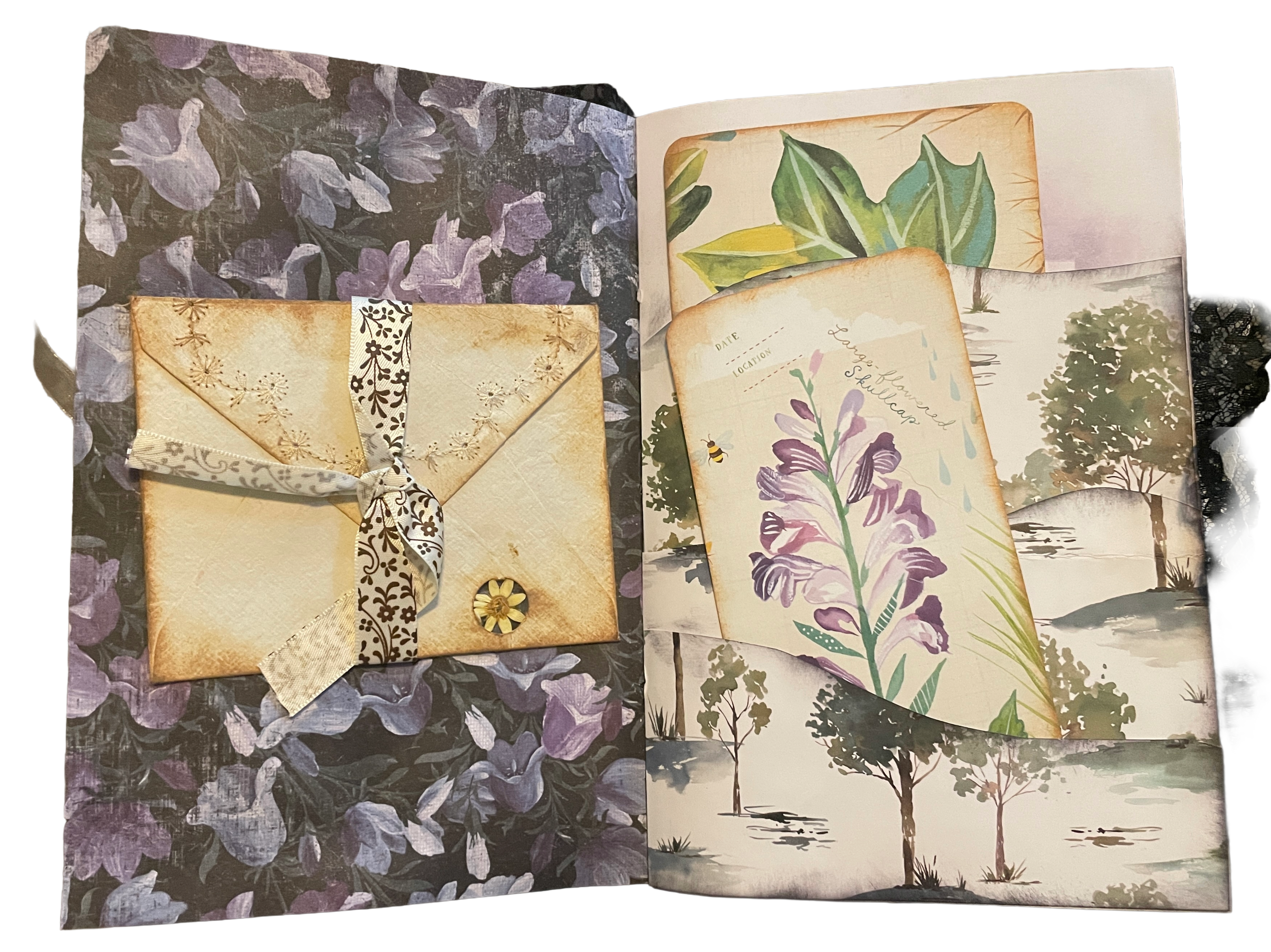
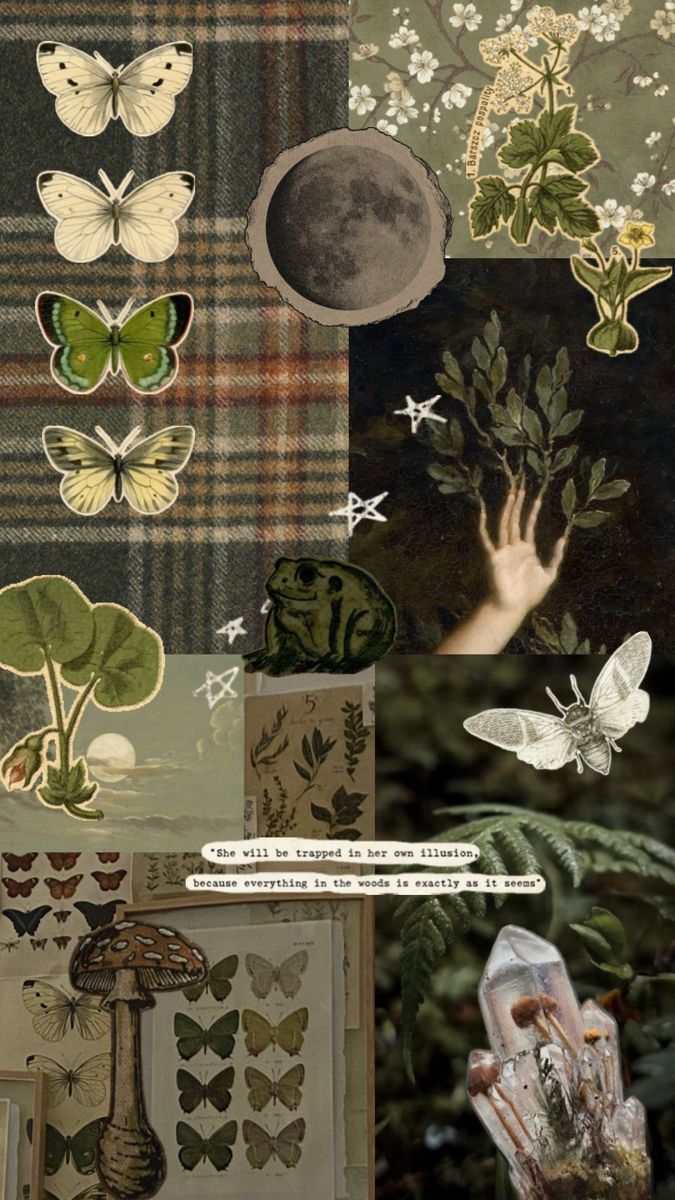
Mosswalkers Journal
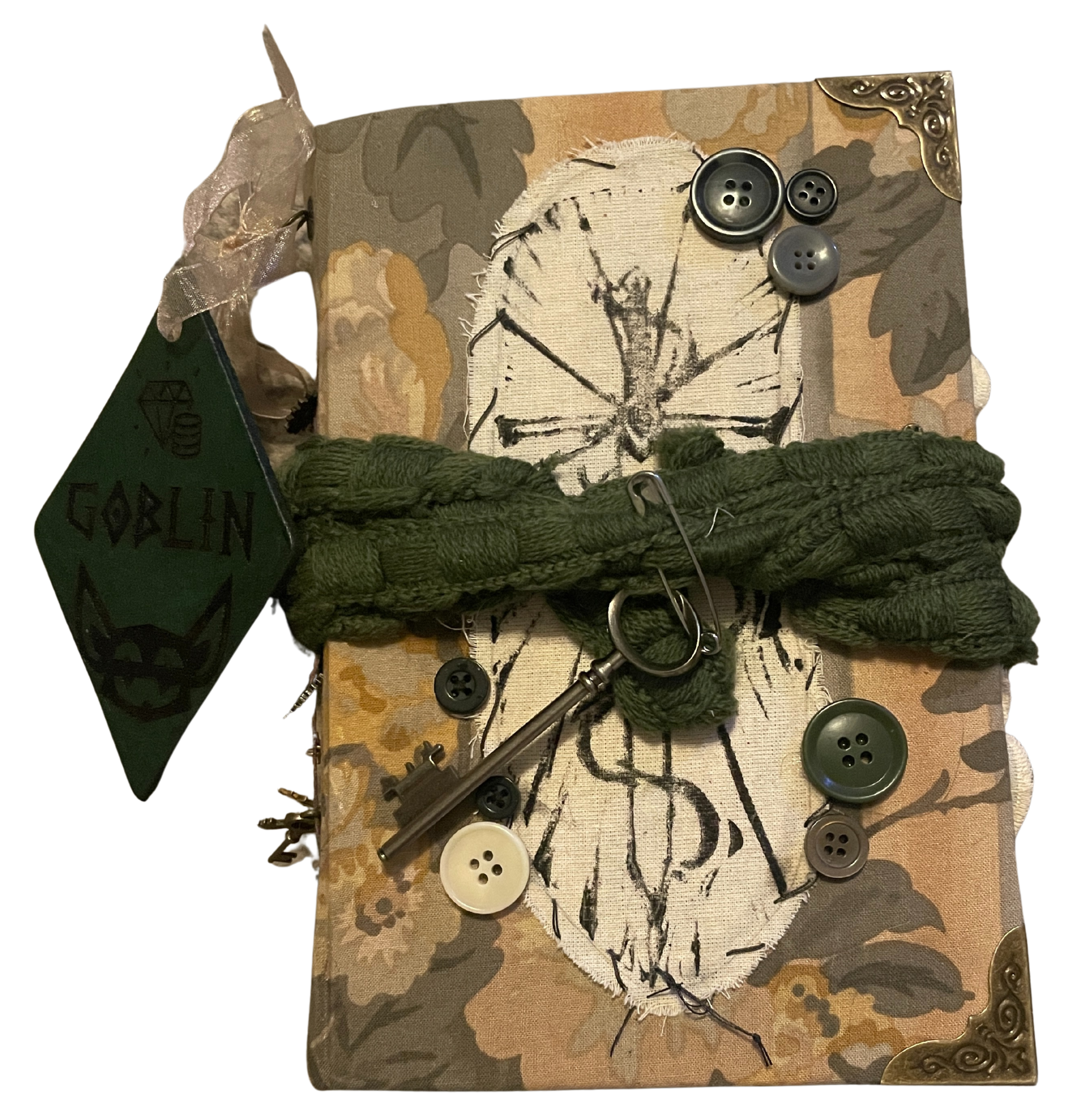
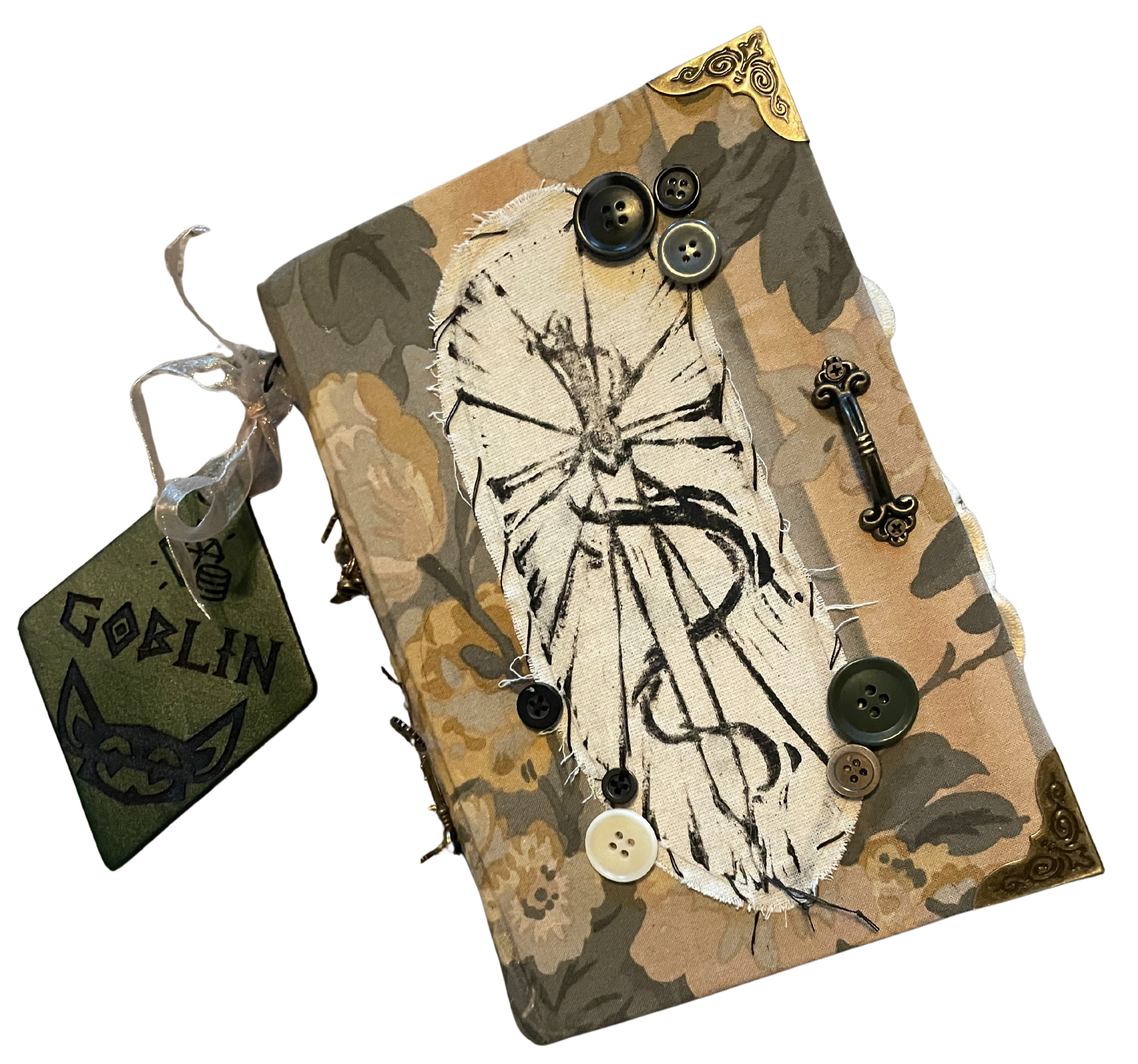
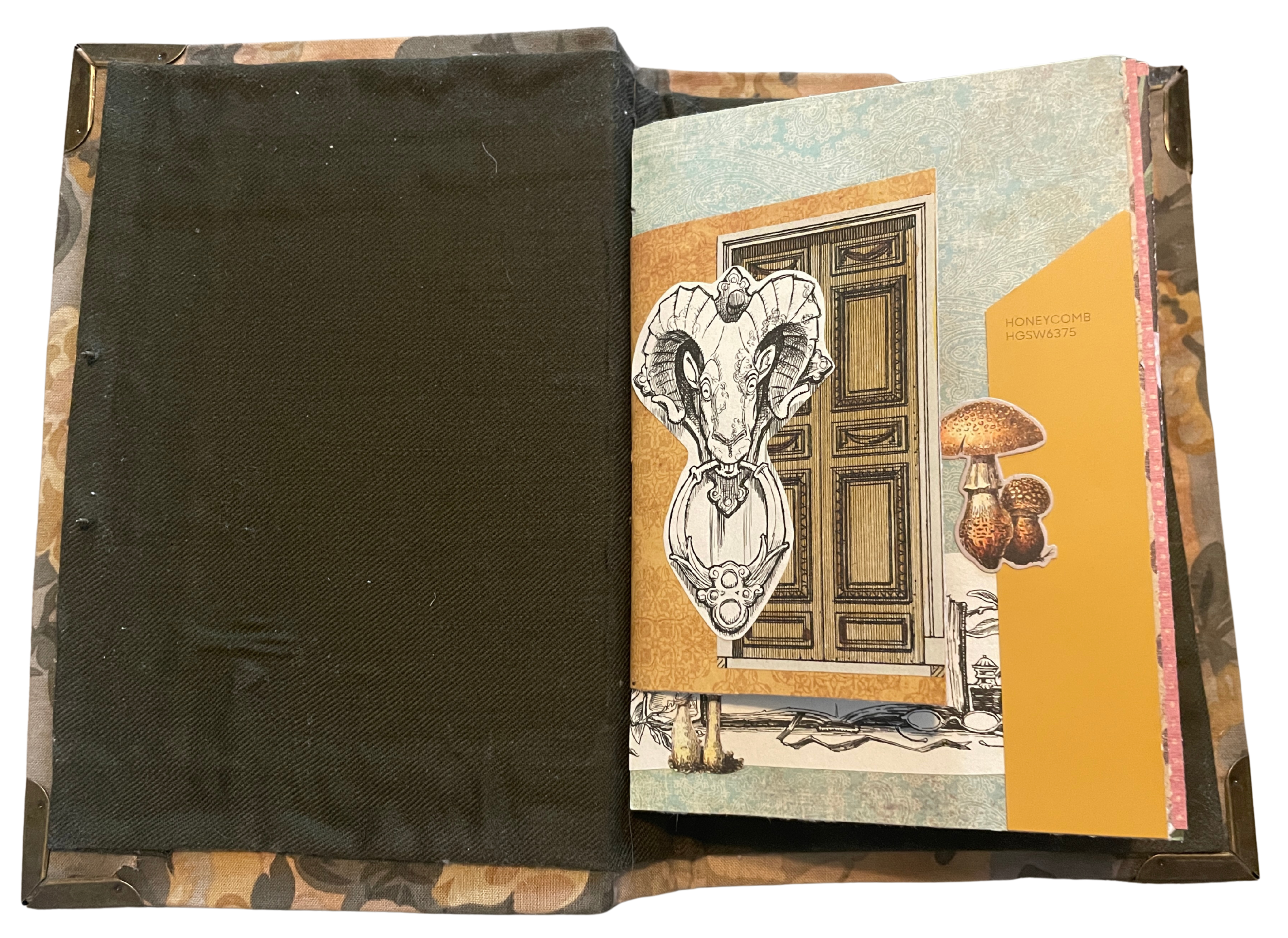
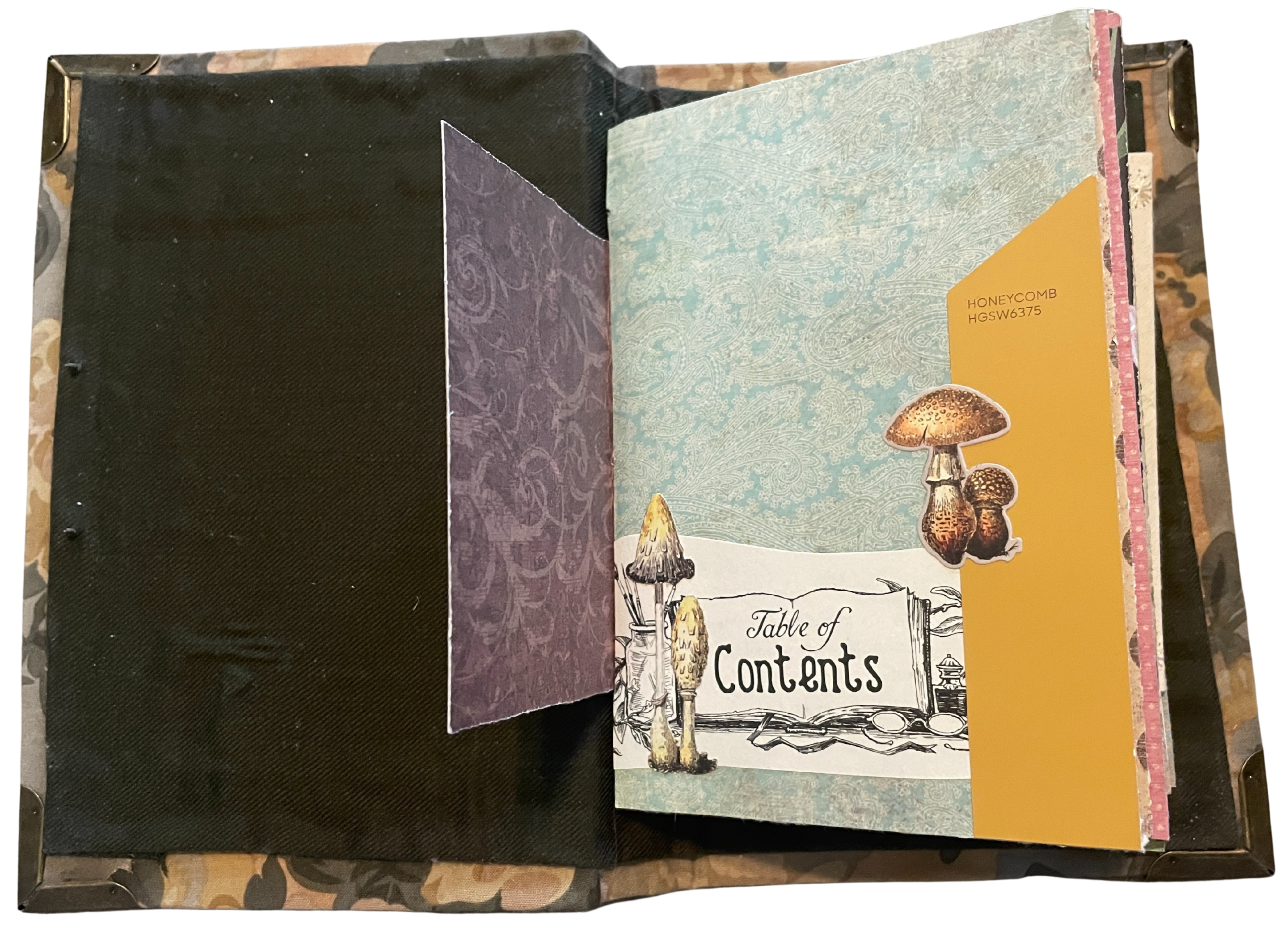
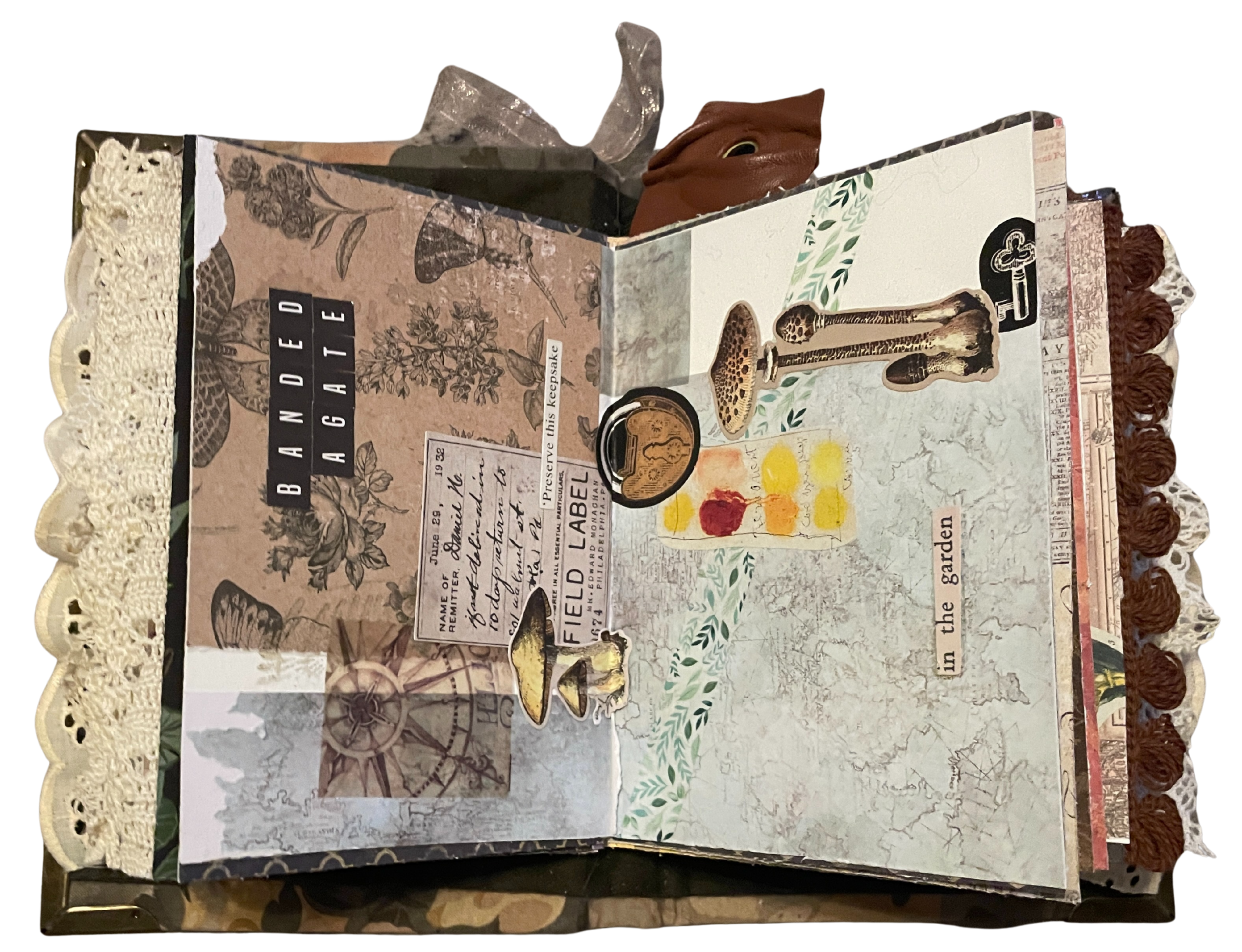
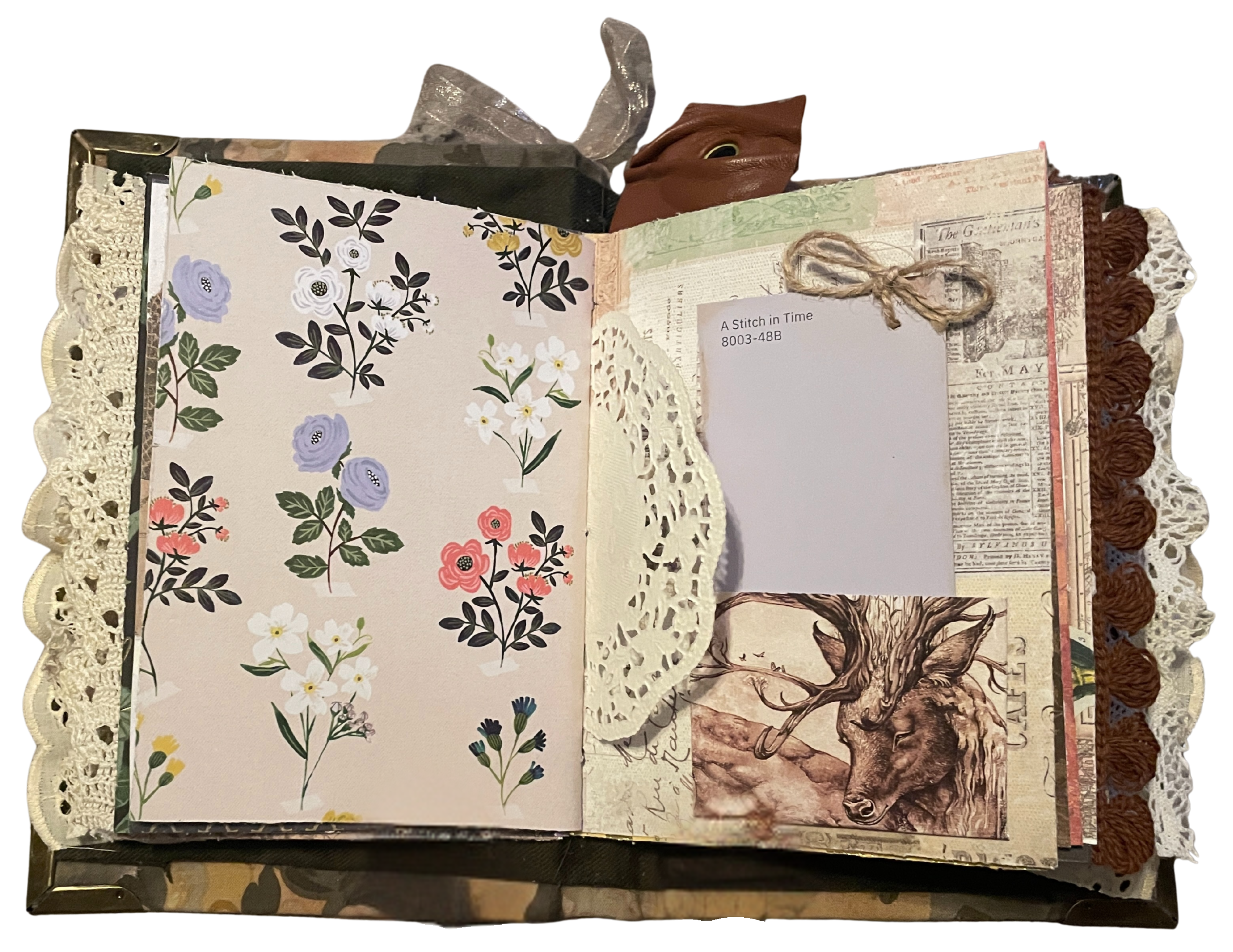
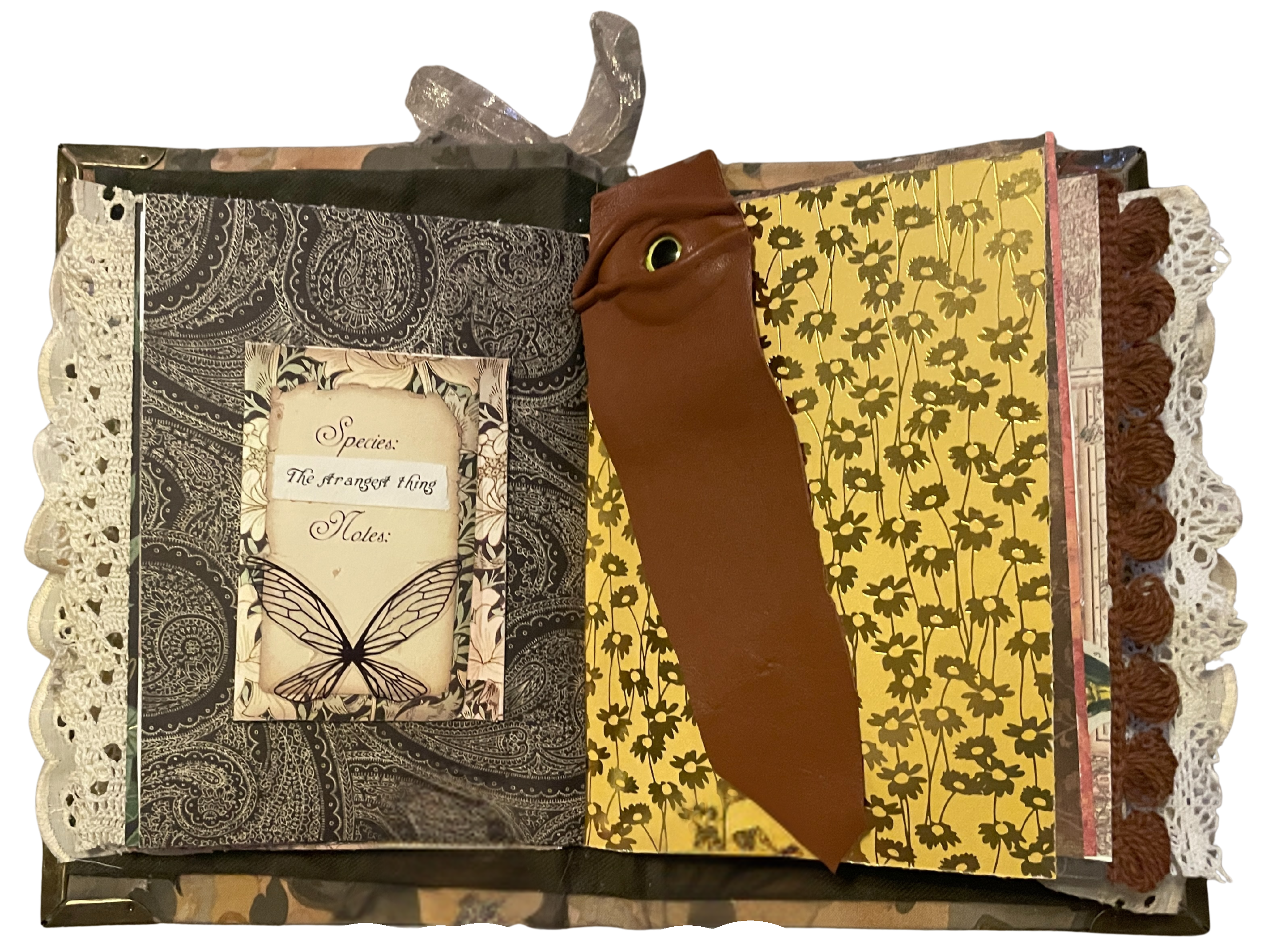
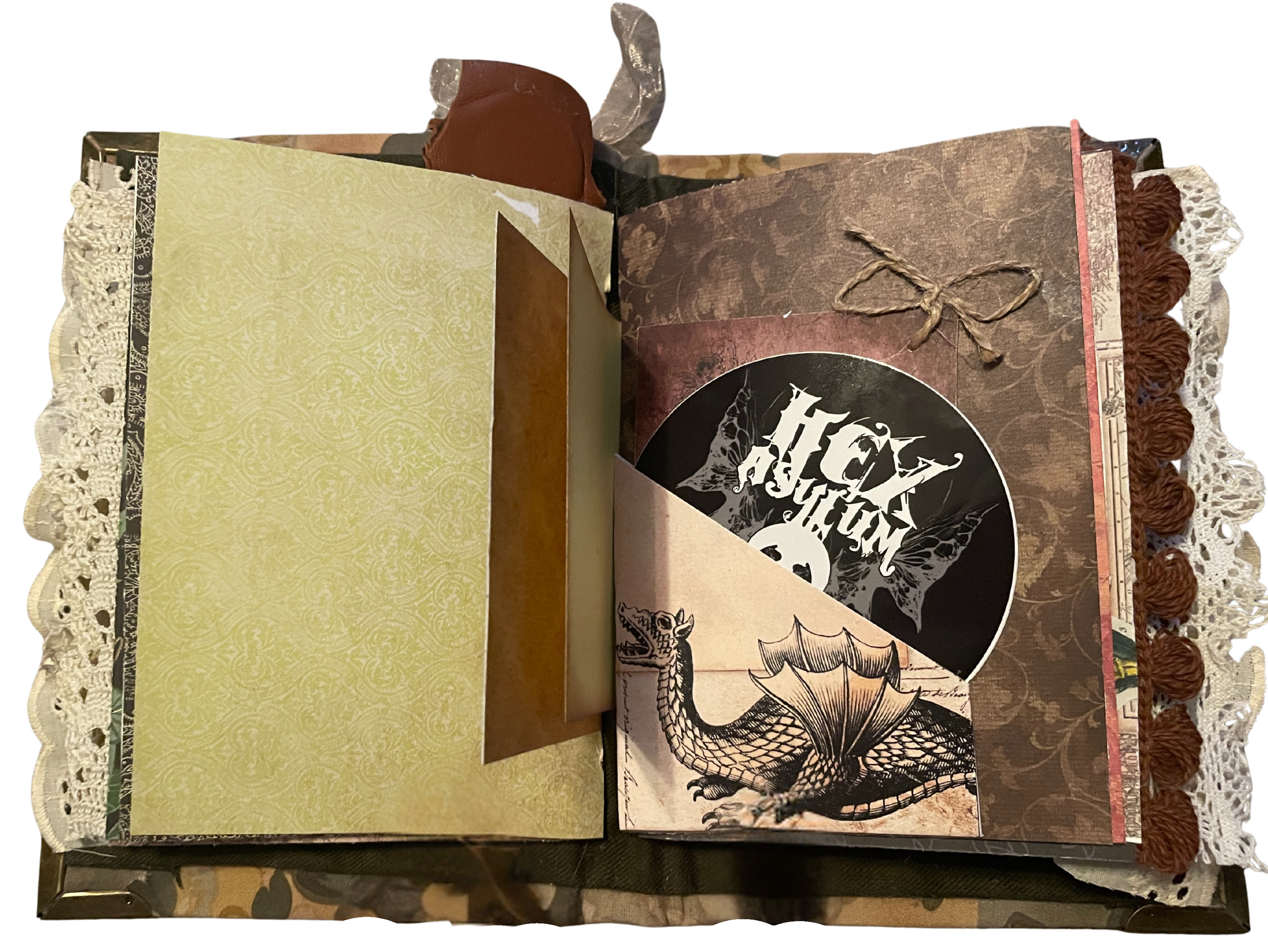
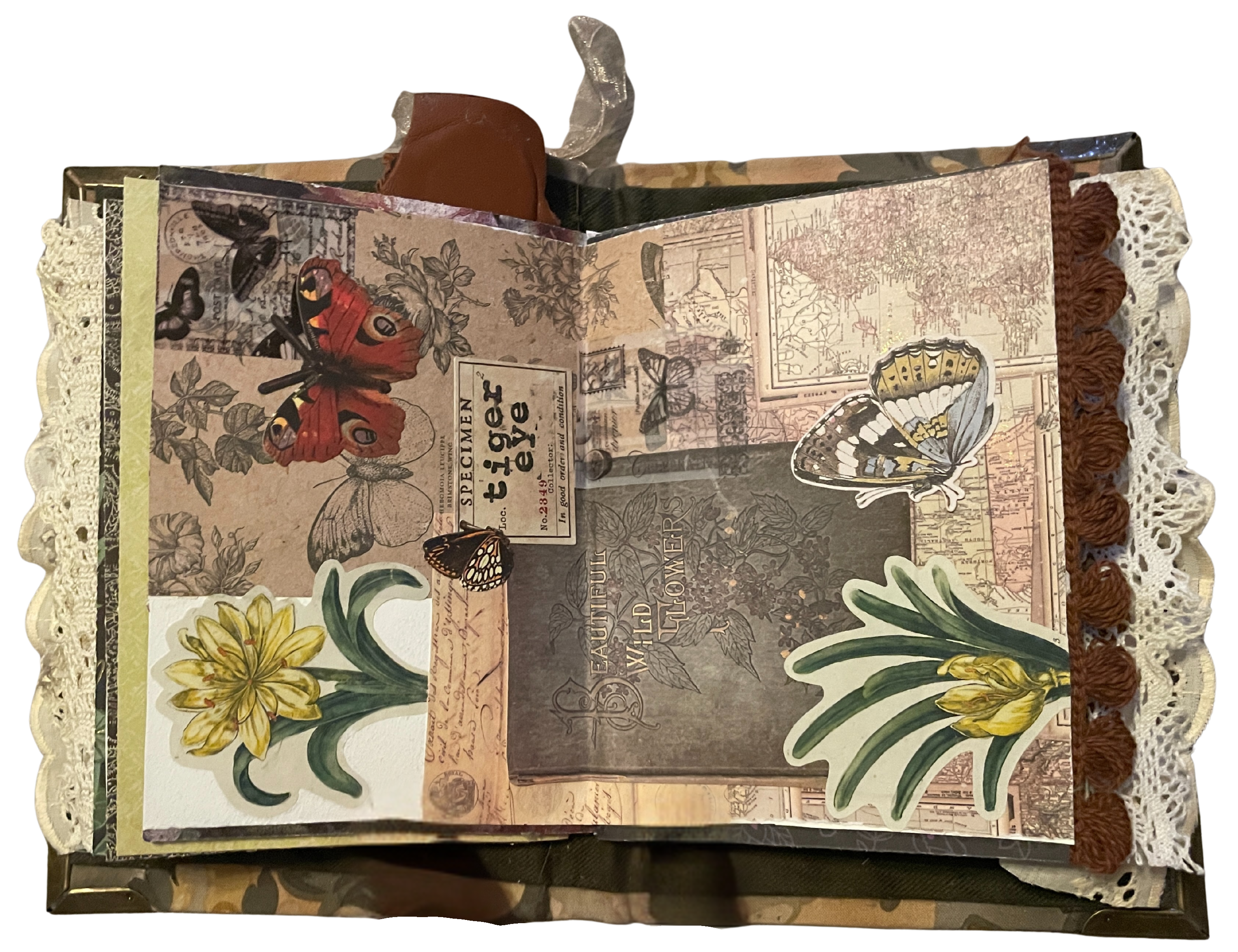
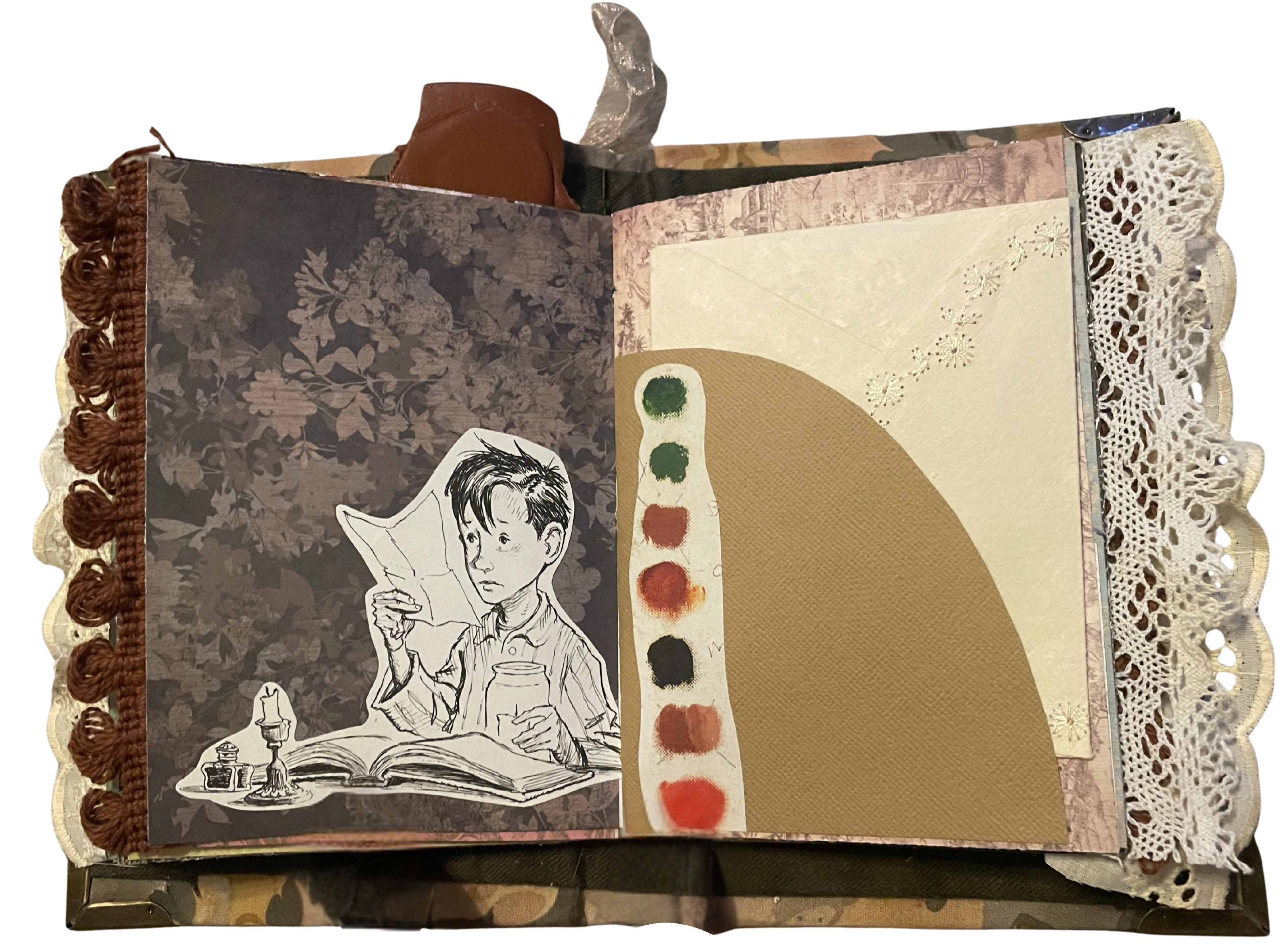
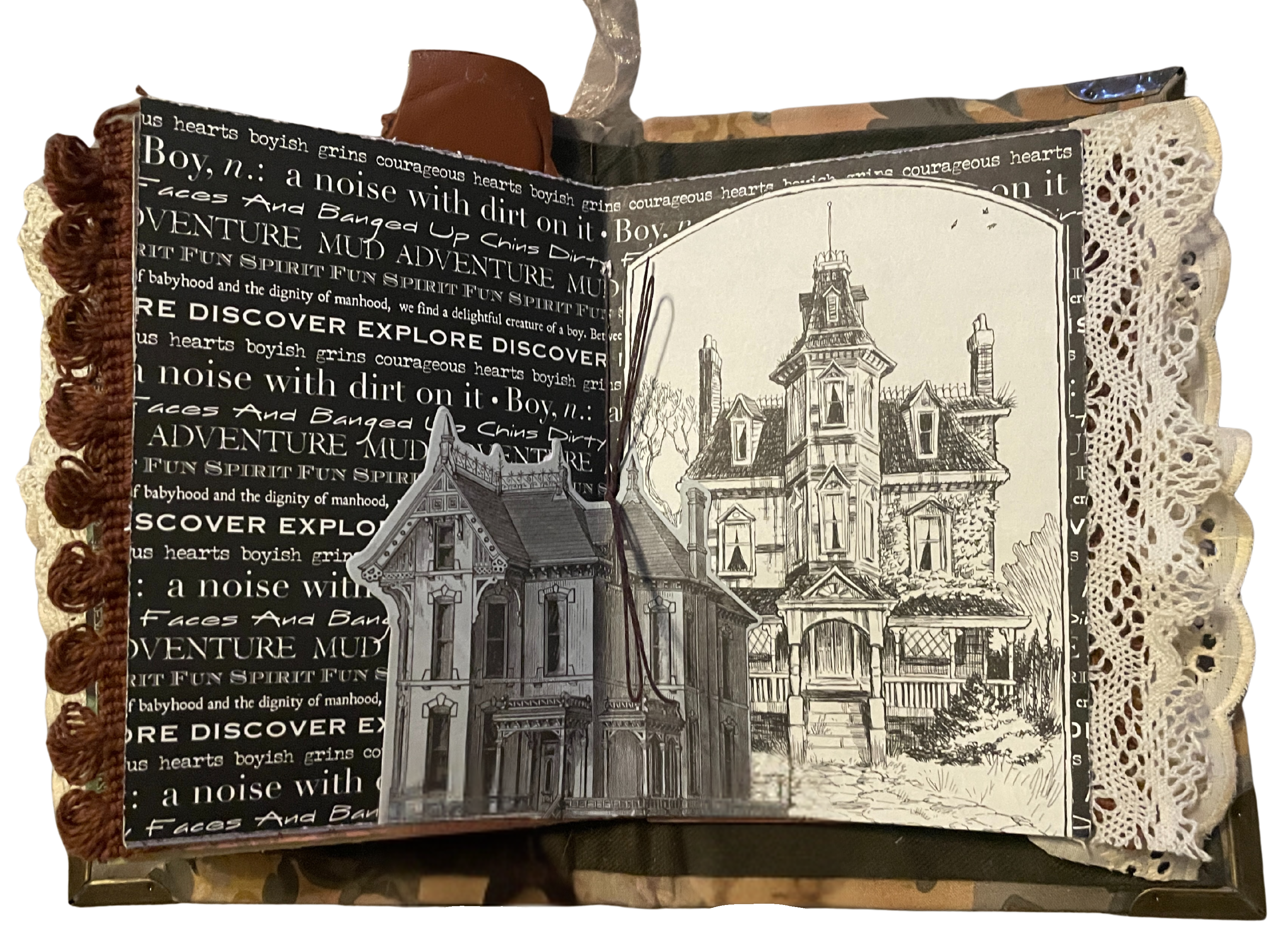
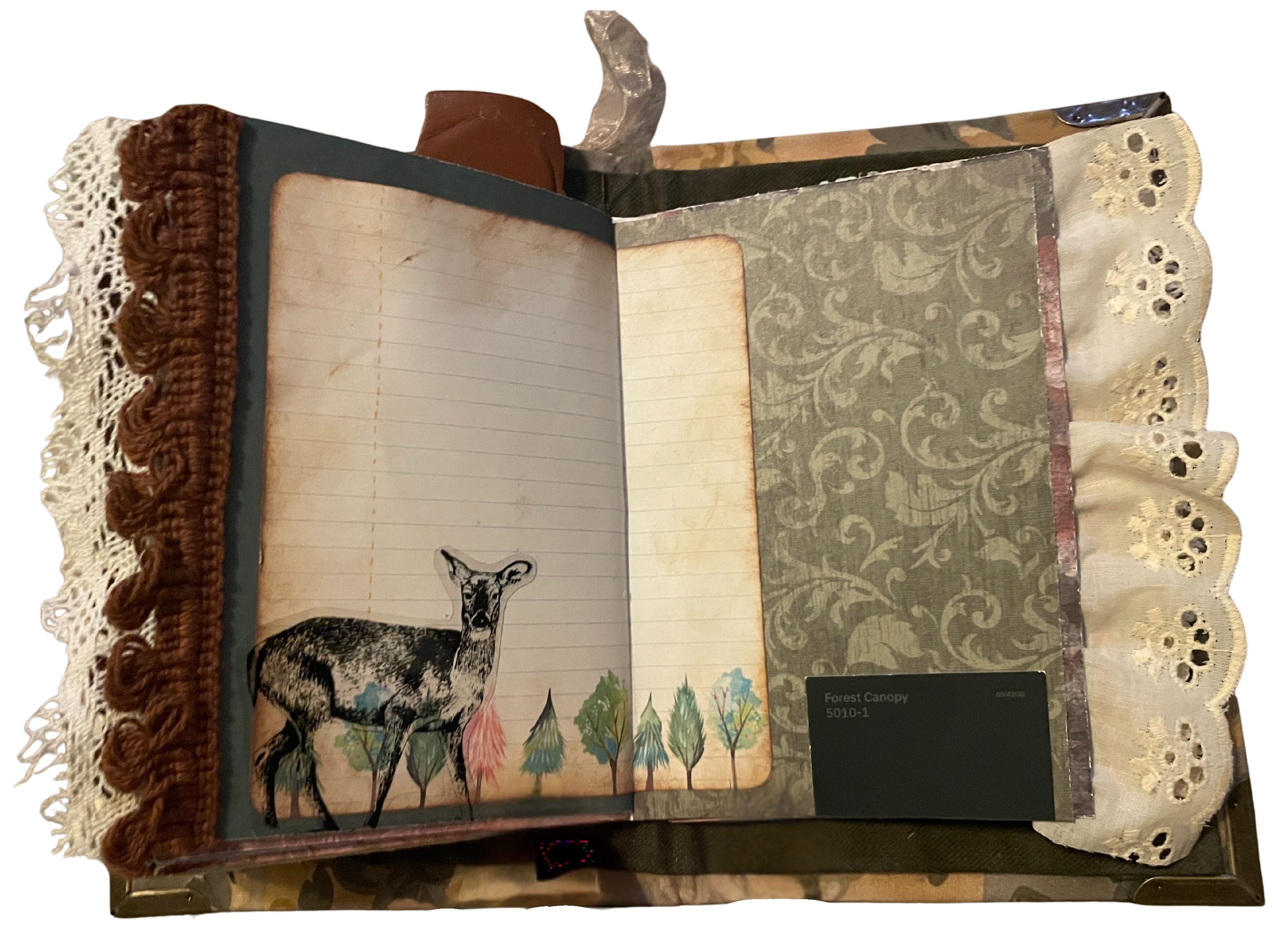
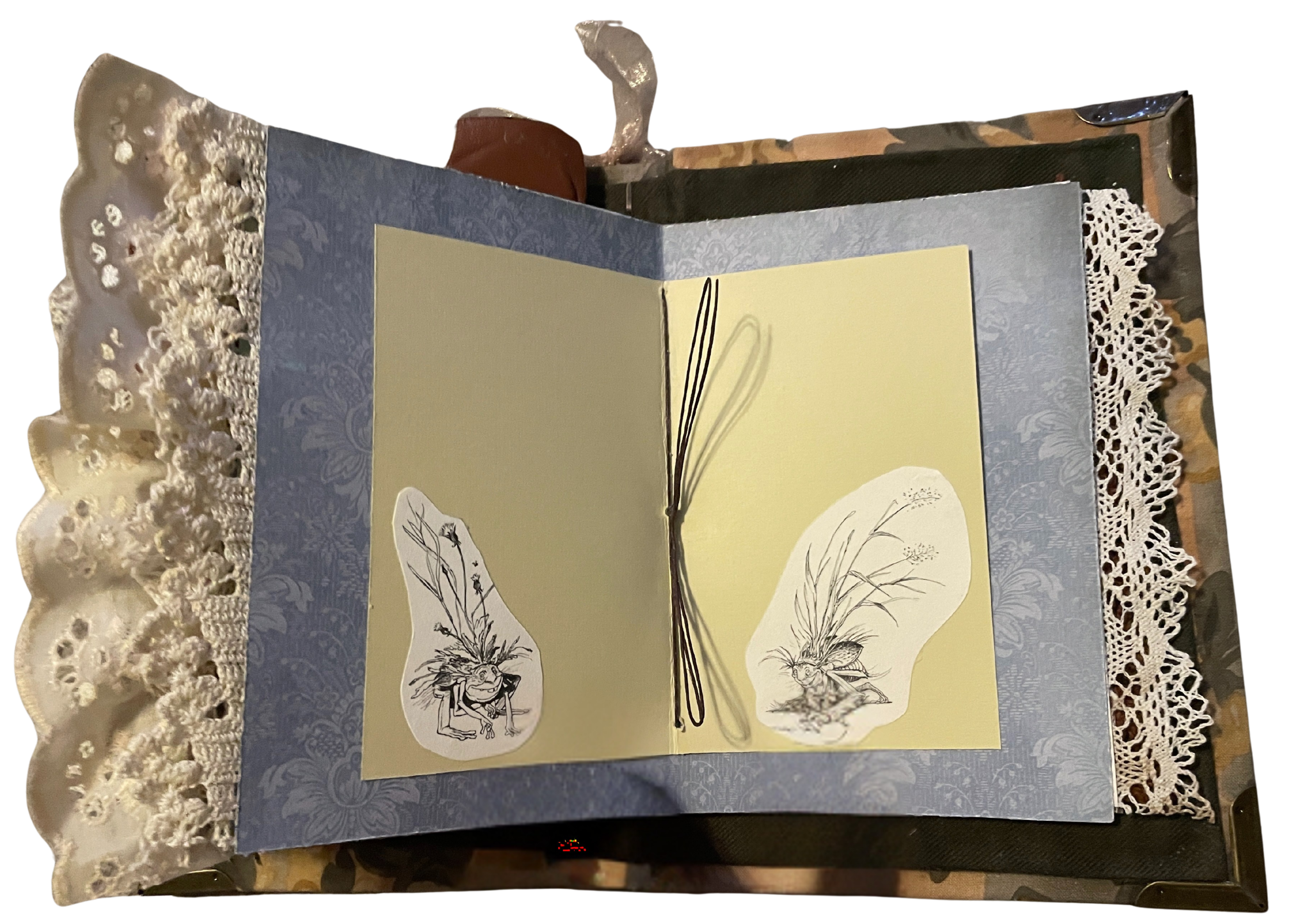
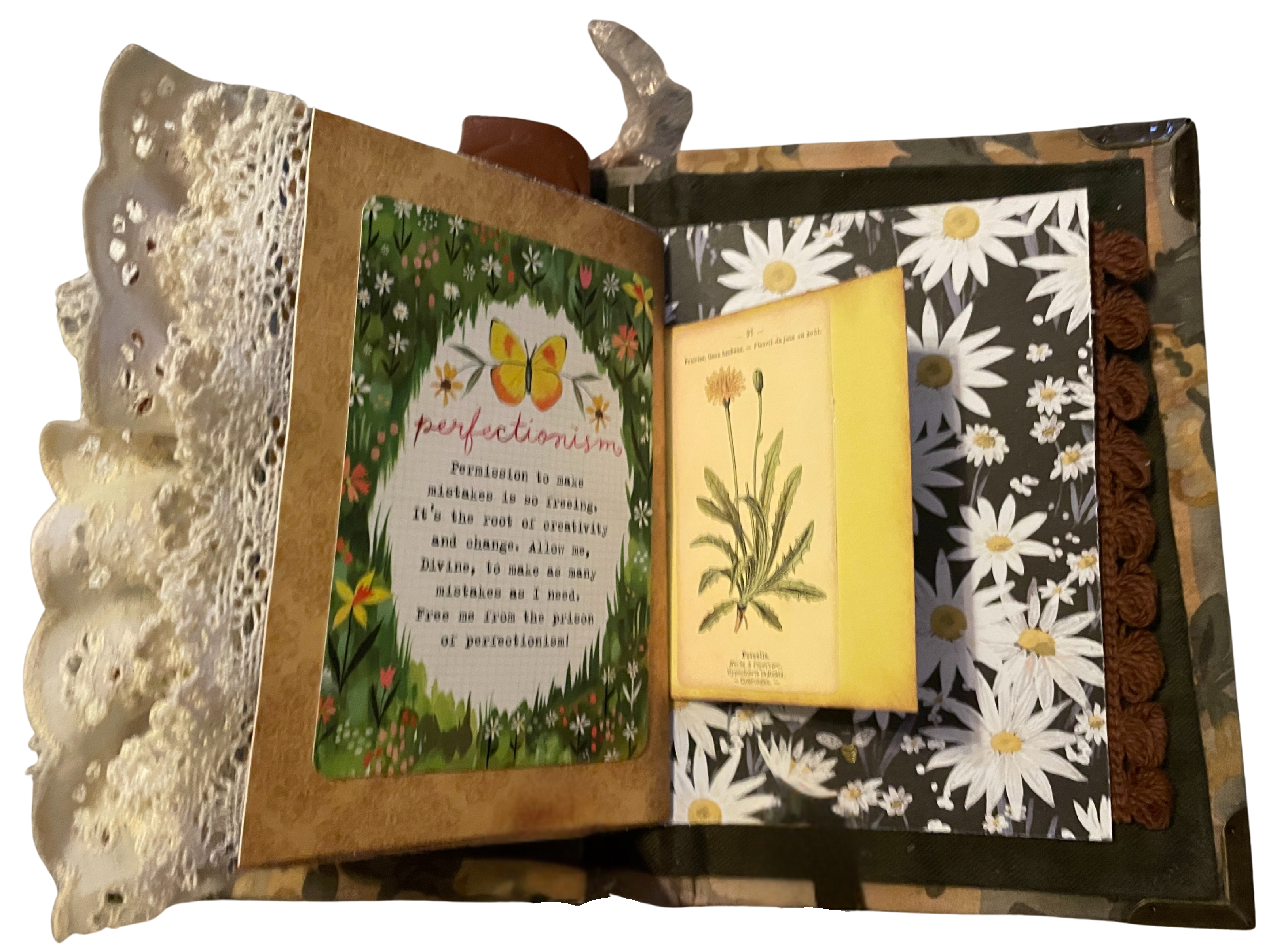
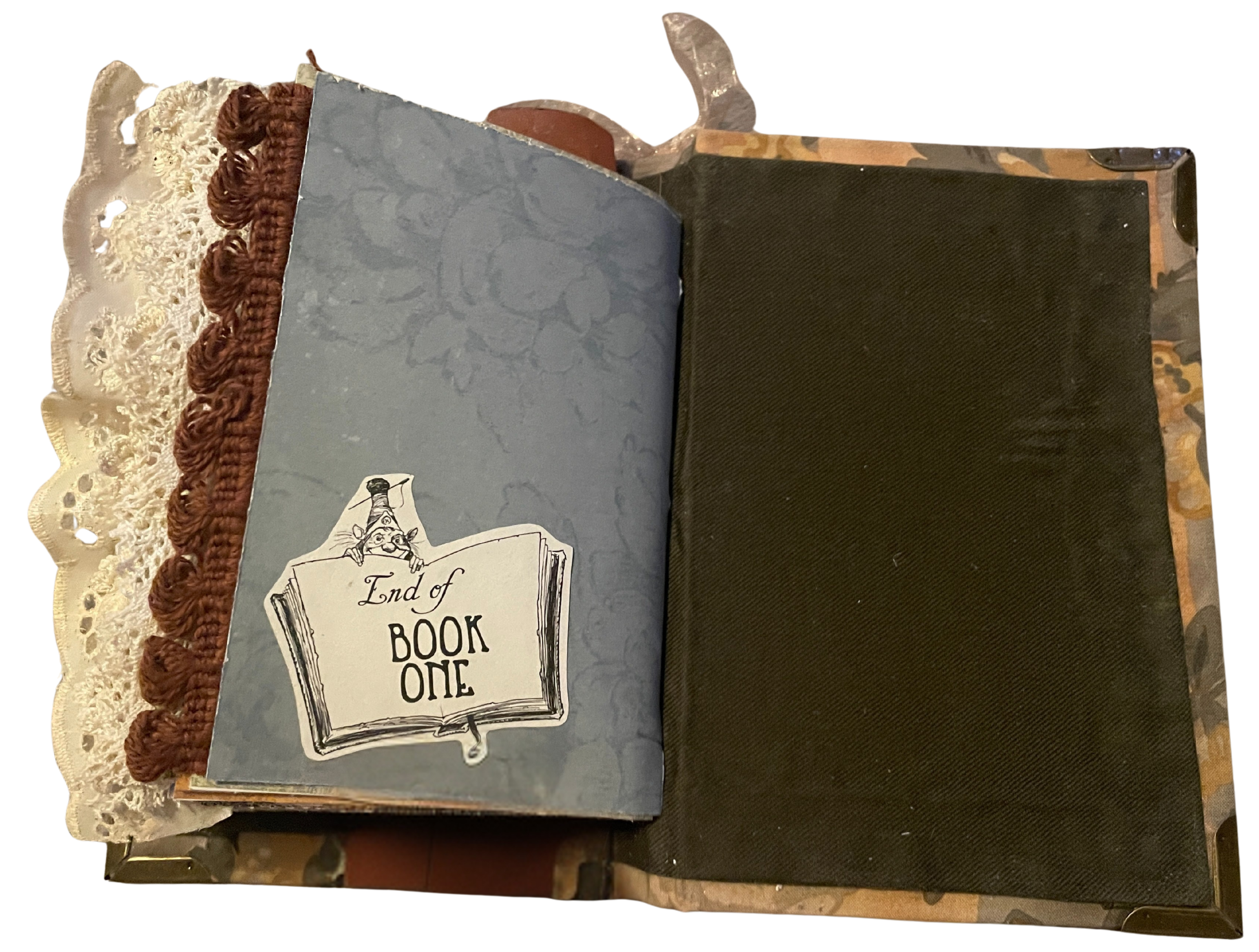
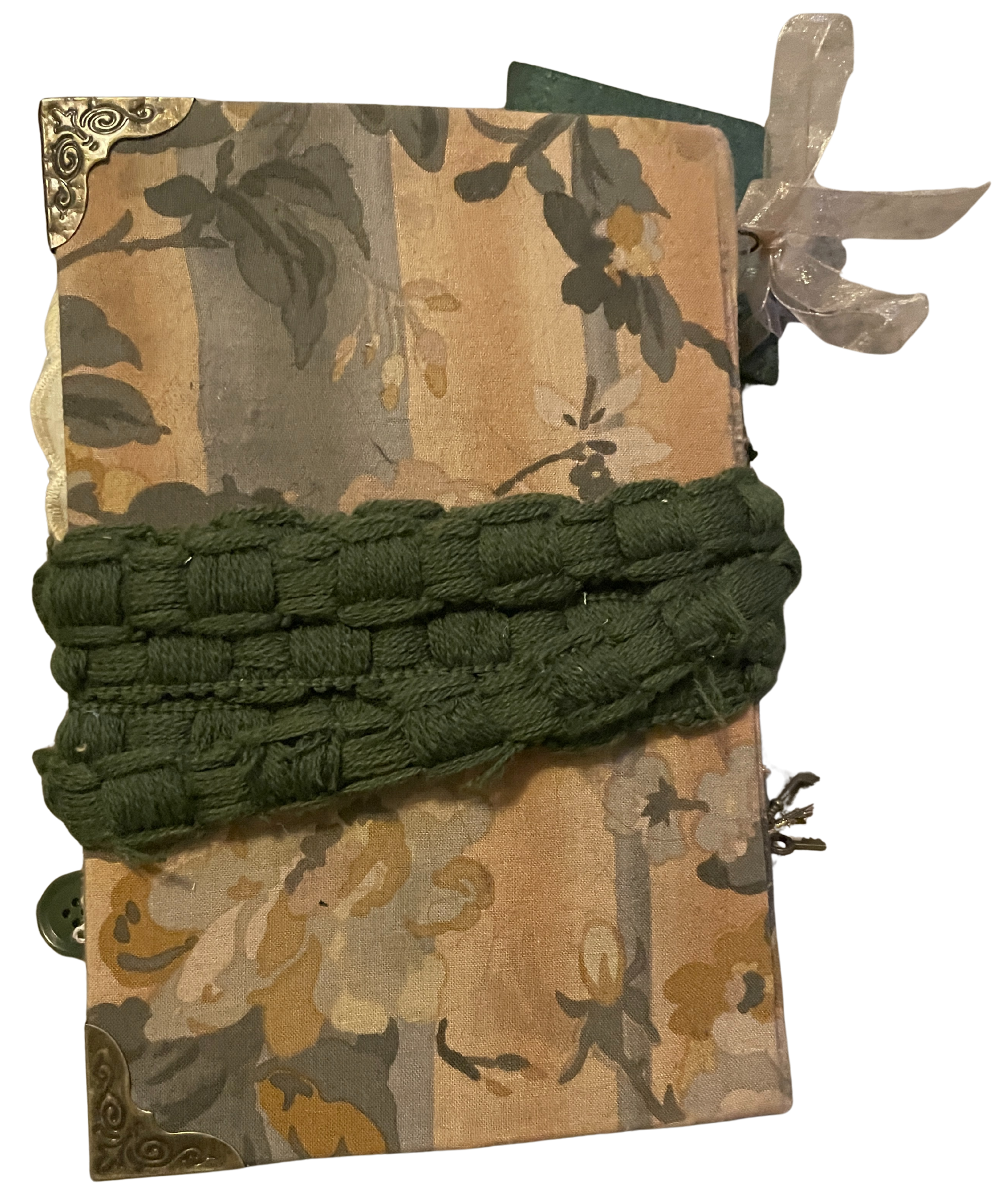
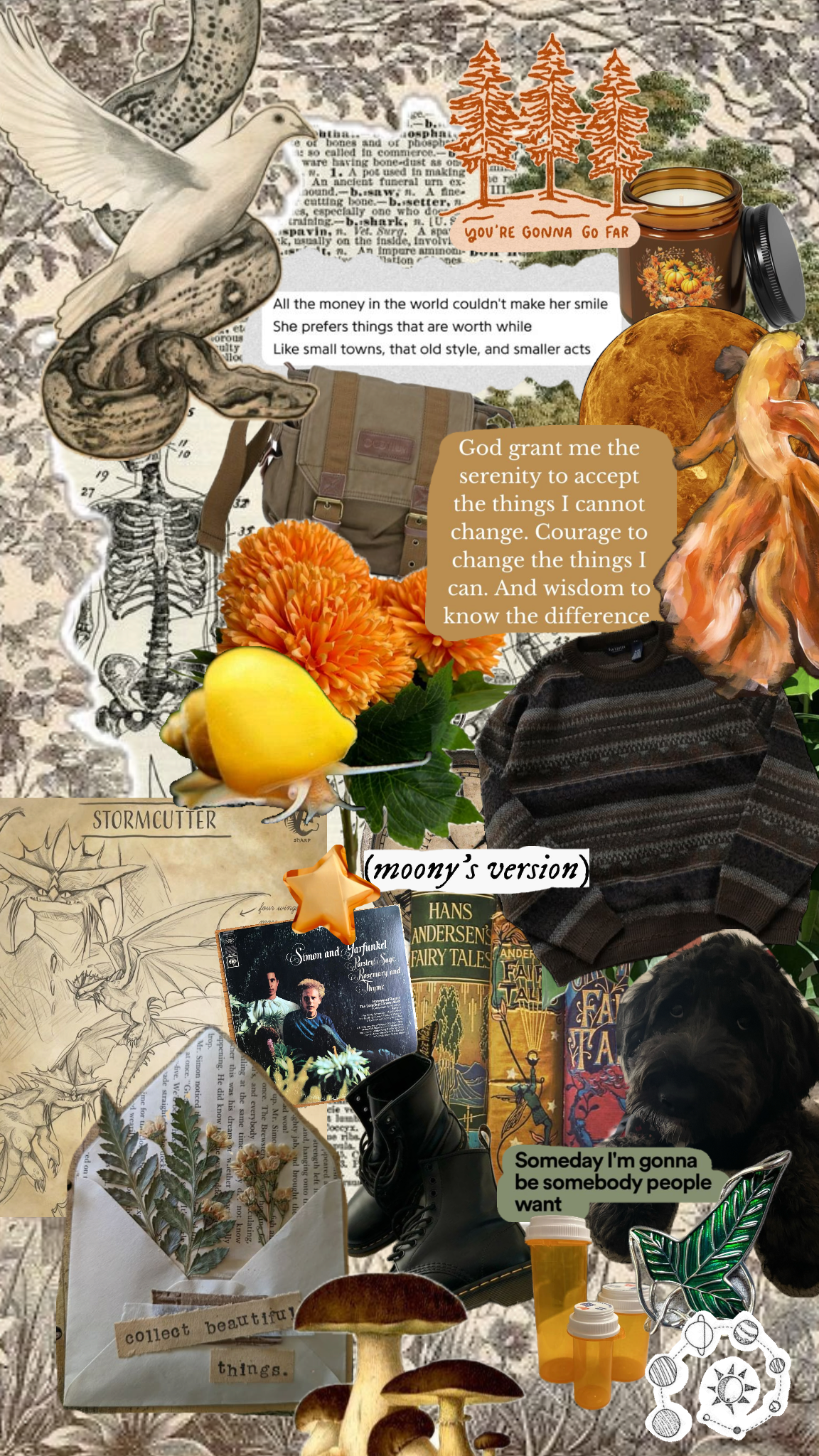
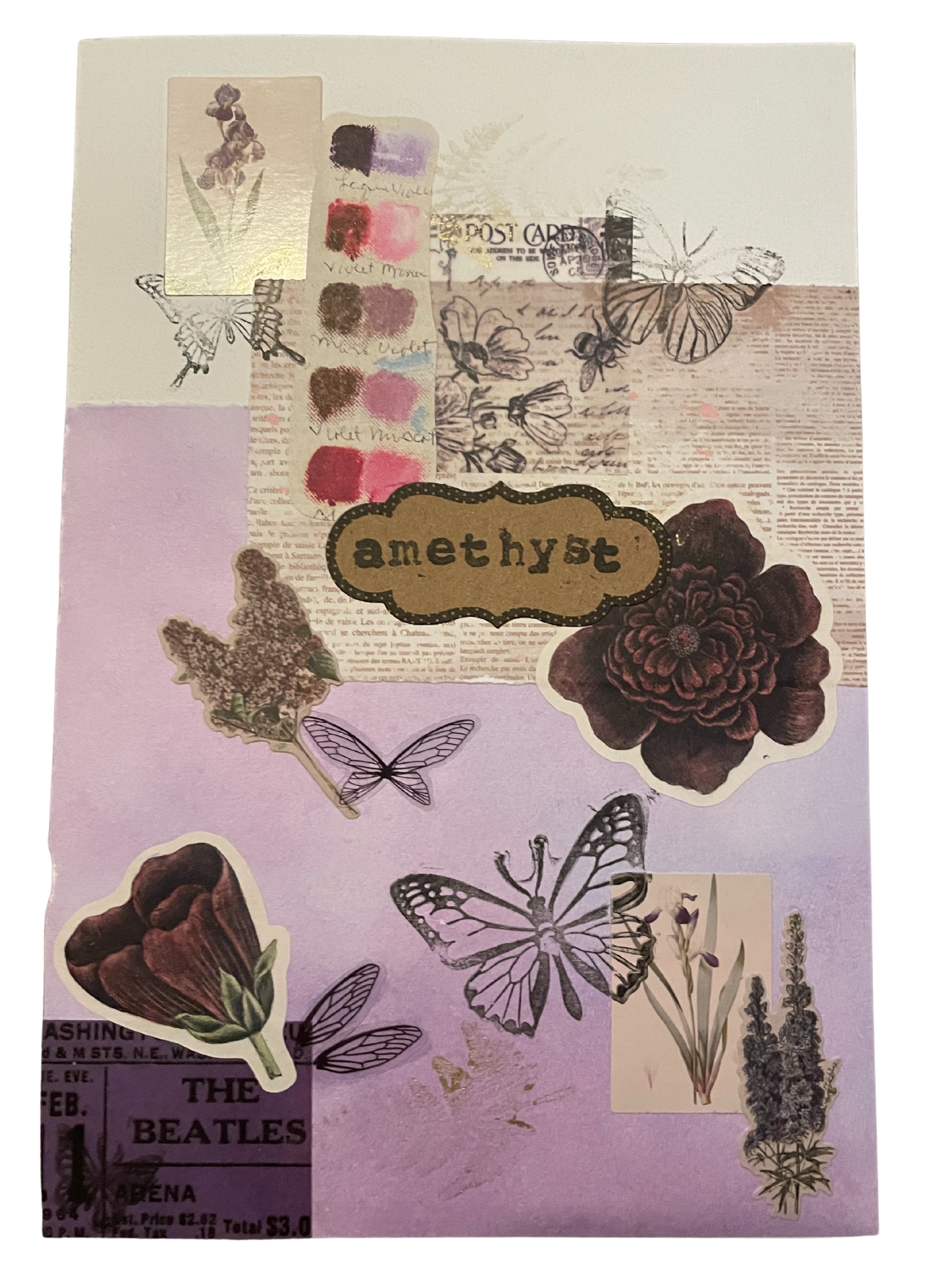
Old Collage Journal